

5 Proven Tricks to Boost Lipo Drone Battery Performance
Most LiPo battery advice circles around the same cautionary themes — don’t overcharge, don’t overdischarge, store at the right voltage. That’s all valid. But it’s maintenance advice, not performance advice.
There’s a meaningful difference between keeping a LiPo drone battery alive and actually getting the most out of it every flight. These five tricks sit on the performance side of that line — practical habits that squeeze more out of the packs you already own, regardless of brand or capacity.

- Pre-Warm Your Packs Before Every Cold-Weather Flight
Cold LiPo batteries underperform in ways that aren’t always obvious until you’re in the air. Internal resistance increases at lower temperatures, which means the pack can’t deliver current as cleanly.
You get voltage sag under load, reduced effective capacity, and throttle response that feels sluggish compared to normal.
The fix is straightforward: get the battery to at least 65–70°F before the mission starts. In winter or early-morning conditions, keep packs in an insulated case inside your vehicle until just before launch.
Some operators use low-wattage battery warmers during setup — worth it if you’re regularly flying below 45°F.
A warmed pack on a cold morning can recover 10–15% of flight time compared to flying the same pack cold. On a 40-minute mission, that’s a real number. Lipo drone battery performance. - Dial In Your Charge Rate — Stop Defaulting to 1C
The 1C charge rate recommendation exists because it’s conservative and safe across a wide range of LiPo cells. It’s not necessarily the rate that produces the best Lipo drone battery performance.
Many quality lithium polymer batteries are rated for 2C charging without meaningful cycle life impact. If you’re cycling packs quickly between flights, reducing charge time from 60 minutes to 30 improves operational tempo without hurting the battery — provided you confirm the pack’s rated charge current first.
Equally important: don’t charge at 2C with a cheap balance charger that can’t hold stable voltage across cells. Uneven charging from poorly regulated equipment will undo any benefit from a faster charge rate. Hardware quality matters on both sides of this. - Balance Charge Every Cycle — Not Just When the Pack Flags It
Some operators run standard charge cycles routinely and only switch to balance charging when the charger reports significant cell imbalance. That’s backwards.
Cell imbalance builds gradually and quietly. By the time the charger flags a problem, the imbalance has already been compounding through multiple cycles — stressing the weaker cells and reducing overall pack performance.
Running balance charges every cycle keeps cells matched from the start and produces more consistent discharge behavior throughout the pack’s lifespan.
The time cost is minimal. The performance and longevity benefit is significant, especially on multi-cell packs where one lagging cell limits the whole pack. - Match the Pack’s C Rating to Your Application — Not Just the Voltage
This one gets overlooked constantly. Two LiPo drone batteries with identical voltage and capacity can perform completely differently if their continuous discharge ratings (C ratings) don’t match the application’s actual demand.
A 25C pack on a platform pulling 30C continuous is sagging under load on every flight — delivering less effective capacity, running hotter, and degrading faster than it should. Spec your batteries to match or exceed your aircraft’s actual peak and continuous current draw.
That alignment produces cleaner power delivery, cooler operating temperatures, and better Lipo drone battery performance consistency across the discharge curve.
If you’re unsure what your platform actually pulls, a current meter logged across a typical mission will tell you. - Rotate Packs in a Fixed Sequence and Log Every Cycle
Packs in a fleet don’t age at the same rate if they’re used randomly. One pack ends up with 200 cycles, another with 80, and the performance variation between them starts causing inconsistent mission results across the fleet.
Fixed rotation keeps packs cycling at the same rate, which means uniform degradation across the fleet and predictable performance fleet-wide. Combined with per-pack cycle logging, you get reliable retirement timing based on real data rather than guesswork.
For solo operators with two or three packs, this matters less. For anyone running six or more, it’s a discipline worth building from the start.
Build the Performance Foundation Right
These five habits improve what you get out of any quality LiPo pack.
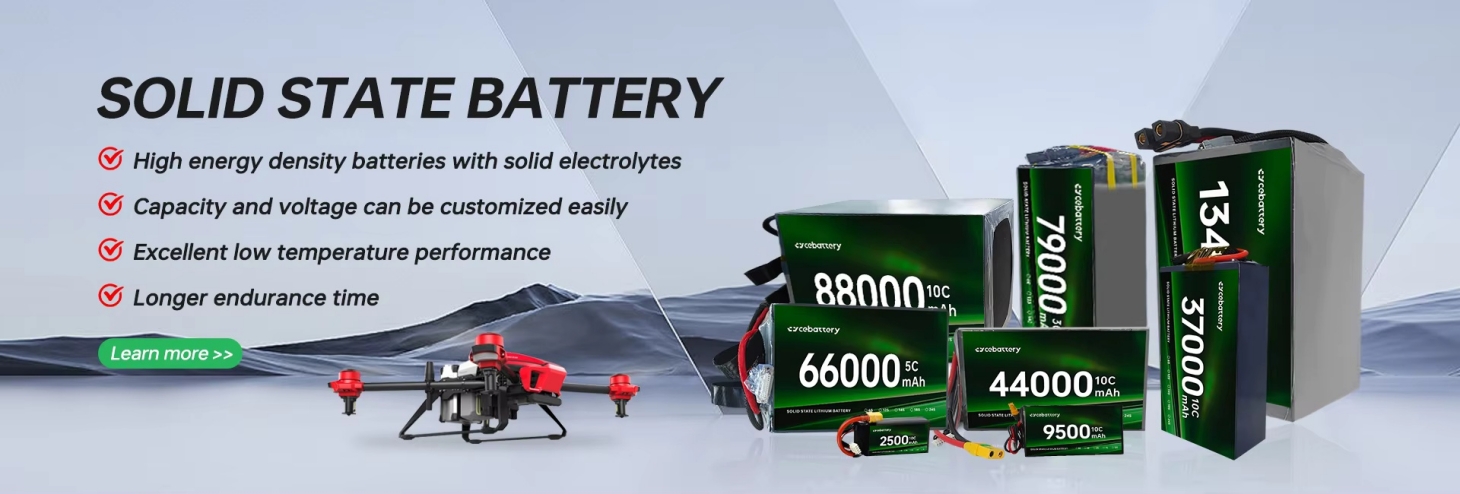
CEBATTERY designs high-performance lithium polymer and solid-state lithium-ion UAV batteries with the cell consistency and discharge characteristics that make these habits pay off. Good practices on a well-built pack compound. That’s where real performance gains live.
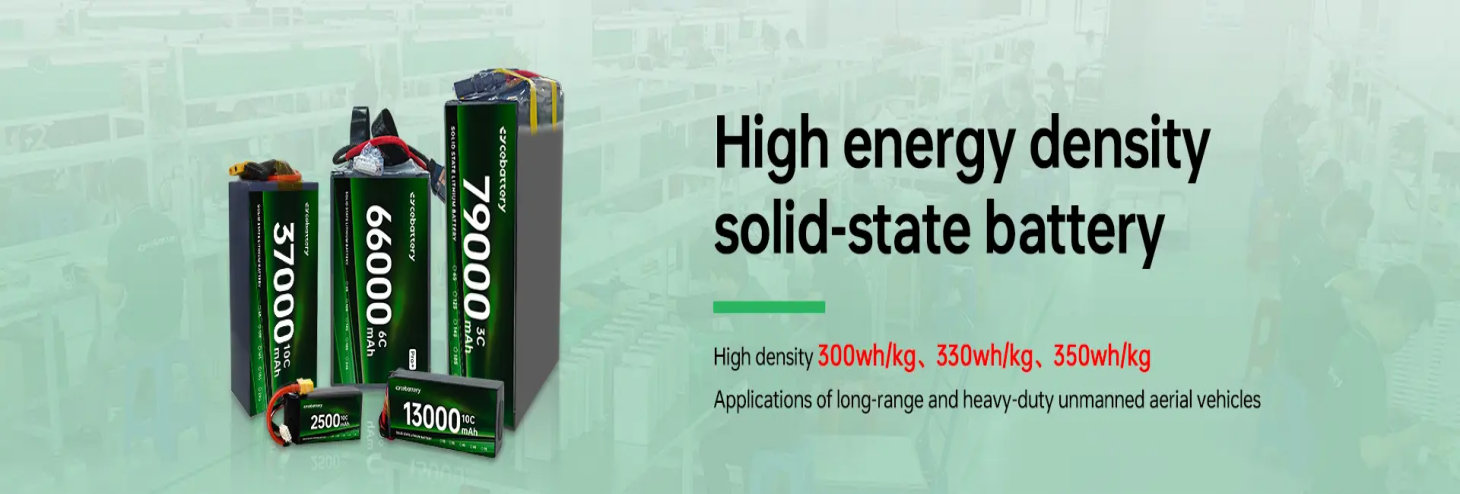
Looking for a reliable drone battery manufacturer?
Tired of short endurance, low cycle life & unstable supply?
CEBATTERY direct factory: high-density, customizable batteries for UAV, mapping, agriculture & FPV, OEM/ODM supported.
Inquiry now for wholesale quote!

- Meet CEBATTERY at the 2026 Shanghai Low-altitude Economy Expo
- What’s the Top High Voltage Battery for Long-Range UAV Missions?
- Solid State vs Lipo Battery—Which Delivers Better UAV Safety and Life Cycle?
- Why Original Factory Batteries Outperform Cheap Generic Options?
- How to Match UAV Power Needs with the Right High Voltage Pack