
How to Choose Solid State UAV Batteries: 7 Expert Buying Tips
Semi Solid state UAV batteries are no longer a lab curiosity. They’re available, they’re being deployed in commercial operations, and the market for them is growing fast enough that the supplier landscape has gotten genuinely complicated.
That’s a problem for buyers. More options means more variation in quality, more marketing language that obscures technical reality, and more room to make an expensive mistake.
These seven tips cut through the noise. If you’re evaluating solid-state batteries for a drone platform — whether you’re a solo operator, a fleet manager, or a procurement lead — this is where to focus your attention.

- Verify the Electrolyte Type — “Solid-State” Covers a Lot of Ground
Not all solid-state lithium batteries are built the same way. The term covers several distinct electrolyte chemistries — oxide-based, sulfide-based, polymer-based — each with different performance profiles, operating temperature ranges, and manufacturing maturity levels.
Ask the manufacturer specifically which electrolyte chemistry their battery uses and what the implications are for your application. A vague answer is informative in itself. - Check Real Energy Density Numbers, Not Peak Claims
Energy density is the primary reason most operators consider solid-state UAV batteries — more flight time per kilogram of battery weight. But advertised figures aren’t always what they seem.
Ask for energy density at the pack level (Wh/kg), not just the cell level. Pack-level numbers account for the weight of the BMS, housing, connectors, and structural components. That’s the number that actually matters when you’re calculating payload capacity and flight time on a real aircraft. - Confirm Discharge Rate Compatibility With Your Platform
This is where solid-state batteries still have meaningful variation across suppliers. Interface resistance in some solid-state cell designs limits peak discharge rates — which creates problems for UAVs that need high burst current during aggressive maneuvers or heavy-lift operations.
Get the continuous and peak discharge ratings in writing. Then cross-reference against your aircraft’s actual peak current draw. A battery that can’t deliver the current your platform demands isn’t a solid-state upgrade — it’s a performance downgrade with better thermal specs. - Ask for Cycle Life Data Under Real Conditions
Cycle life claims on spec sheets are almost always generated under optimal lab conditions: moderate discharge rates, stable temperatures, precise charge termination. Your operating environment probably doesn’t look like that.
Ask whether the manufacturer has cycle life data from field testing or third-party validation under conditions similar to yours. A supplier confident in their product’s durability will have this. One that redirects you back to the spec sheet is telling you something. - Evaluate Cold-Weather Performance Specifically
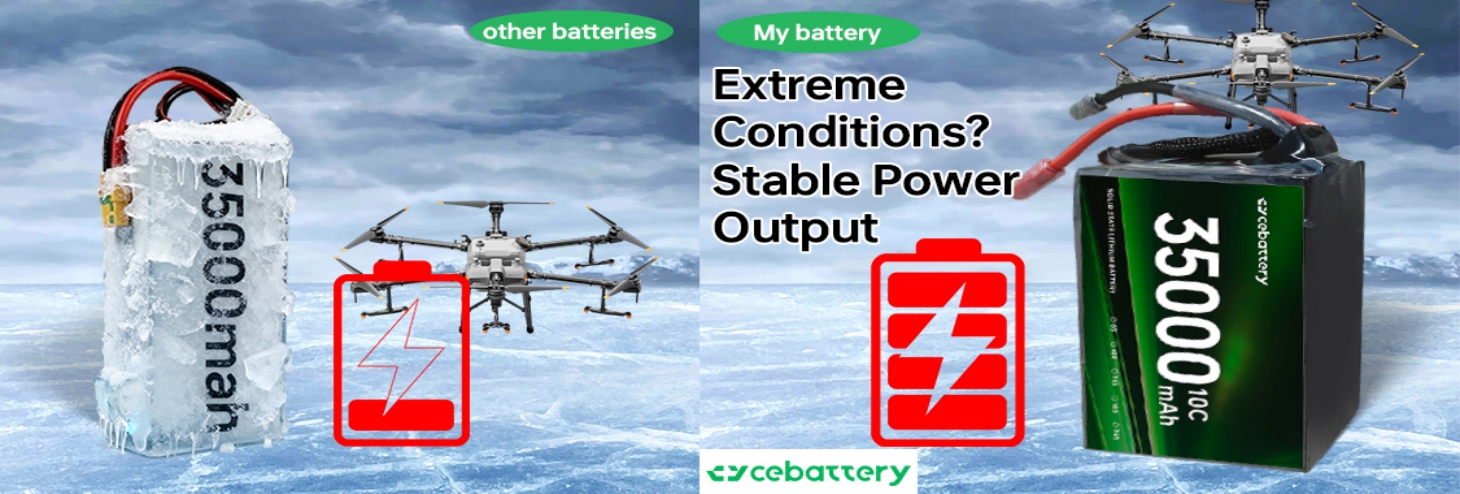
One of the most frequently cited advantages of solid-state batteries is improved low-temperature performance compared to LiPo packs. But the degree of improvement varies significantly depending on electrolyte chemistry and cell design.
If you operate in cold climates, at elevation, or during early-morning missions where temperatures drop, get specific discharge capacity figures at your expected minimum operating temperature.
Don’t assume all solid-state UAV batteries perform equally well in the cold — some still show elevated resistance at low temperatures during startup. - Confirm BMS Integration and Telemetry Output
A high-quality solid-state battery without a capable battery management system is a compromised product. The BMS handles cell protection, state-of-charge estimation, temperature monitoring, and — critically for fleet operations — telemetry output to your flight controller and ground station software.
Verify that the BMS communicates over protocols your platform supports (CAN bus, UART, or manufacturer-specific interfaces) and that it outputs the data points your operation actually needs. - Evaluate the Manufacturer, Not Just the Battery
Solid-state battery manufacturing is technically demanding. Cell consistency, quality control, and post-sale technical support matter more here than in mature battery categories where production processes are well-established.
Look for manufacturers who specialize in UAV applications specifically — not companies adapting EV or consumer electronics chemistry for drone use.
Application-specific design shows up in the details: connector choices, form factor options, BMS calibration, and the depth of technical support when questions arise in the field.

CEBATTERY develops solid-state lithium-ion and high-performance lithium polymer UAV batteries purpose-built for drone applications.
Buying decisions made with the right supplier make every one of these seven factors easier to get right from the start.
Shenzhen CEBATTERY Technology Co., Ltd. is a company based in Shenzhen with 12 years of experience in the lithium battery industry.
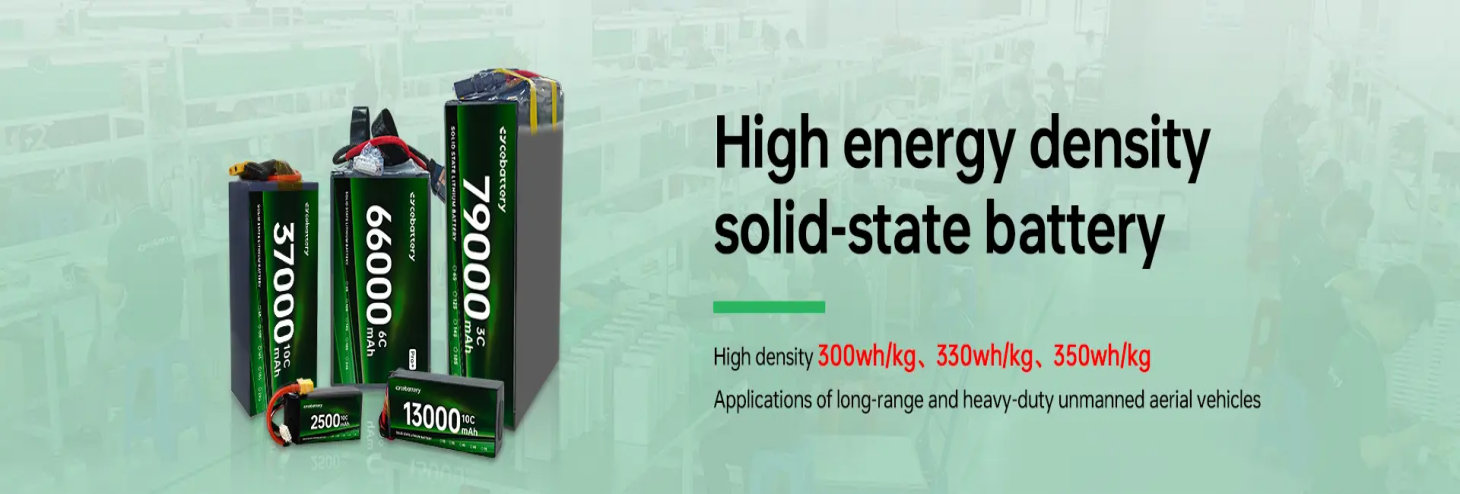
CEBATTERY focuses on providing high-performance lithium polymer batteries and solid-state lithium-ion batteries solutions for various types of drones, including agricultural spraying drones, large-load drones, surveying and mapping drones, and fixed-wing multi-rotor drones.
The solid-state UAV battery market rewards buyers who ask specific questions. Use this list. The suppliers worth working with will have good answers.

- How to Choose Solid State UAV Batteries: 7 Expert Buying Tips
- 5 Tips to Extend Your Lipo Drone Battery’s Lifespan in 2026
- Which OEM Drone Battery Manufacturer Delivers the Best Lead Time?
- Is a Tailored Solid State Battery Worth Ordering in Bulk for UAVs?
- How Can a Custom Lipo Pack Improve Drone Flight Efficiency by 20%?