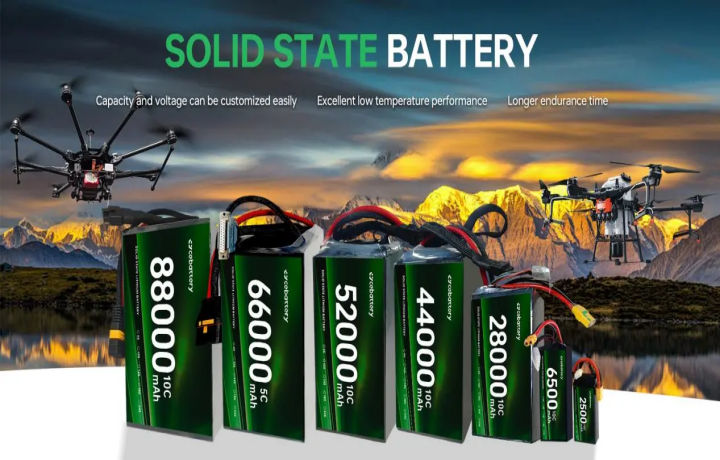
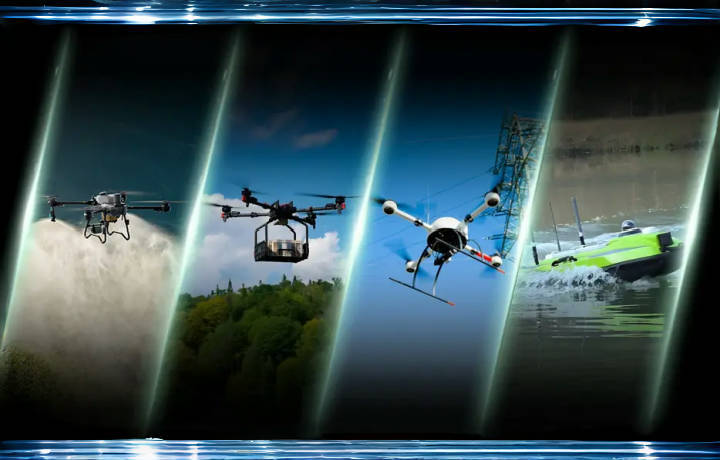
Drone battery industry has come a long way since its inception, evolving from niche hobbyist tools to indispensable assets across industries like agriculture, logistics, and public safety.
However, one persistent challenge has limited their full potential: battery technology. Traditional lithium-ion batteries, while widely used, suffer from drawbacks like short flight times, safety risks, and limited performance in extreme conditions.
Enter solid-state batteries—a game-changing innovation poised to redefine what drones can achieve. Let’s explore how this technology is unlocking new frontiers for unmanned aerial vehicles (UAVs).
Extended Flight Time and Higher Payload Capacity
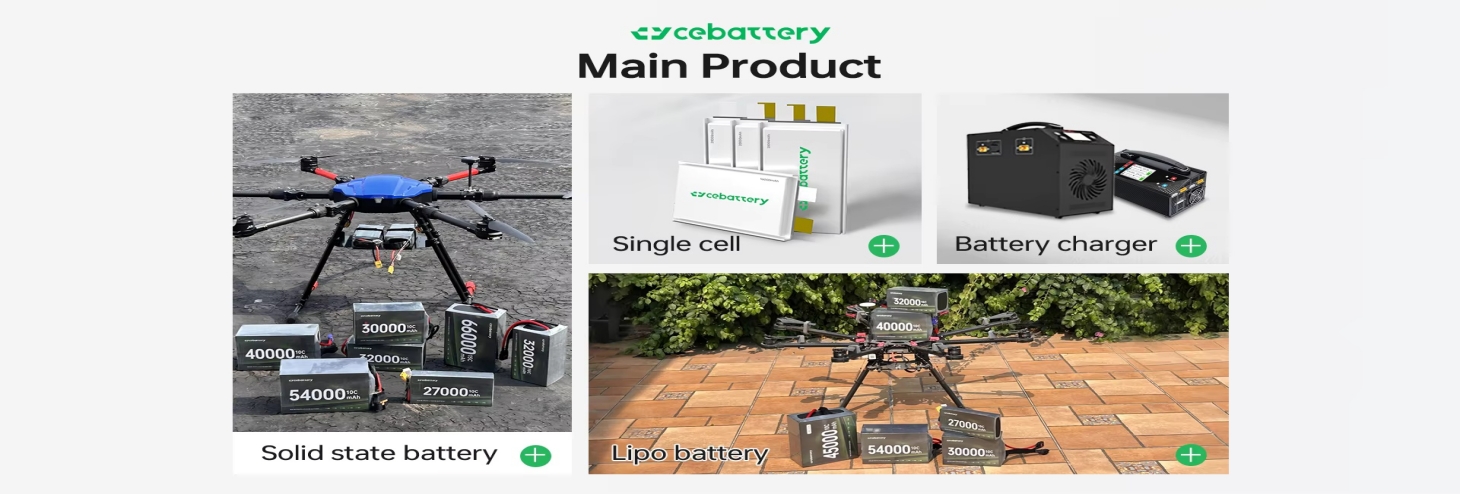
The most immediate benefit of solid-state batteries for drones is their higher energy density. Unlike lithium-ion batteries, which rely on liquid electrolytes, solid-state designs use solid materials, allowing more energy to be stored in the same volume or weight.
For example, solid-state batteries can achieve energy densities of 250–350 Wh/kg—30–50% higher than conventional lithium-ion cells. This translates to 20–35% longer flight durations for drones, enabling them to cover larger areas in a single mission.
In agriculture, this means drones can conduct crop monitoring over vast fields without frequent landings for recharging. Similarly, delivery drones could extend their range from 20–30 km to 50–70 km, making long-distance logistics feasible.
Companies like CEbattery already offer solid-state batteries tailored for drones, with models like the 45Ah 3.2V cell supporting payloads up to 100 kg and flight times exceeding 90 minutes.
Types of Drone Batteries
Lithium Polymer (LiPo) drone battery
Lithium Polymer (LiPo) batteries are one of the most commonly used types of batteries in drones. These batteries are known for their high discharge rates, which make them suitable for powering the high-performance motors and electronic components of drones.
LiPo batteries are lightweight and can be manufactured in various shapes and sizes, allowing for flexibility in drone design and configuration. However, it is important to handle and charge LiPo batteries with care to prevent damage or safety hazards.
Lithium-Ion (Li-ion) Batteries
Lithium-Ion (Li-ion) batteries are another popular choice for drone applications. These batteries are known for their energy efficiency and long cycle life, making them suitable for drones that require extended flight times and consistent performance.
Li-ion drone battery is also known for their stability and safety features, which are essential for ensuring the safe operation of drones. While Li-ion batteries may have a slightly lower discharge rate compared to LiPo batteries, they offer a balance of energy density and safety, making them a reliable choice for various drone applications.
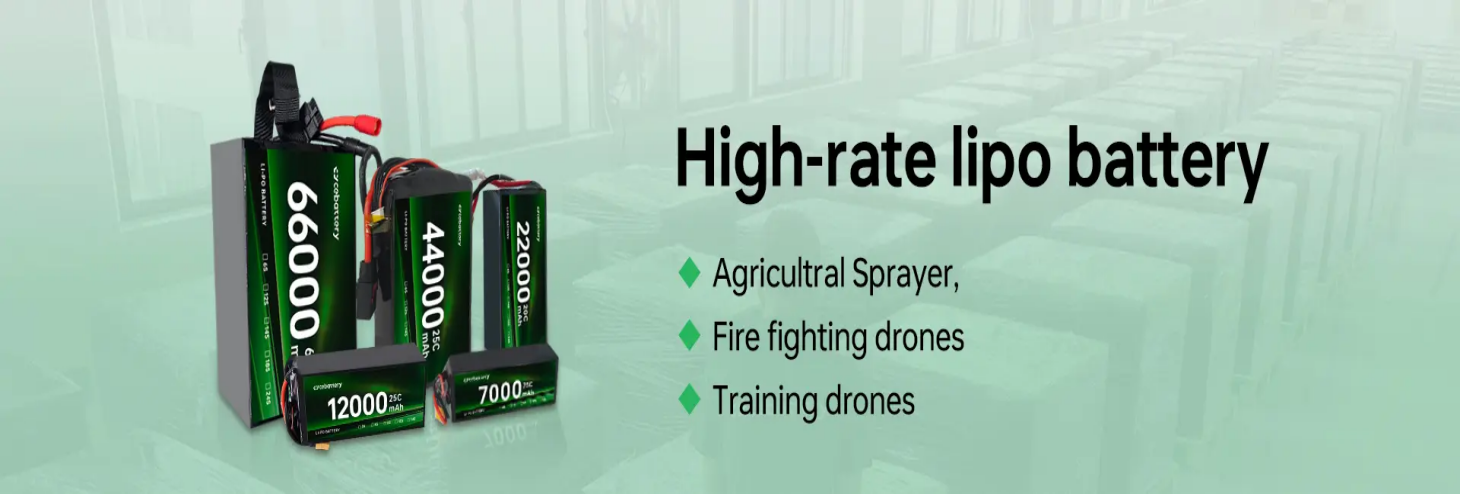
Lithium Polymer Batteries and Their Importance in Drones
Lithium Polymer Batteries have revolutionized the drone industry by offering a combination of high energy density and lightweight construction. These batteries are known for their ability to store a large amount of energy relative to their size and weight, making them ideal for powering drones.
The high energy density of lithium drone battery allows drones to achieve longer flight times and improved performance compared to other types of batteries.
In addition to their energy storage capabilities, lithium polymer batteries are also known for their ability to deliver consistent power output, which is crucial for maintaining stable flight and powering the various components of a drone, including the motors, cameras, and sensors.
The reliability and efficiency of lithium polymer batteries make them a preferred choice for drone operators who require consistent performance and longer flight durations.
For now, solid state batteries are best suited for niche drone applications where their strengths (safety, high energy density) outweigh their costs—such as military UAVs or high-end industrial inspections. As technology matures, however, we can expect solid-state batteries to gradually (penetrate) the drone market, unlocking new possibilities for flight time and versatility.
Until then, Li-ion drone battery remains the pragmatic choice for most drone operators.
For more information about high energy density solid state drone battery and our range of high-performance energy storage solutions, please don’t hesitate to contact us at levin@cebattery.com. Our team of experts is ready to help you find the perfect battery solution for your needs.