

Which Solid State UAV Battery Offers the Best Safety-to-Weight Ratio?
If you’re shopping for UAV batteries, you’ve probably noticed everyone’s talking about solid state technology. The marketing claims sound great—better safety, longer life, higher performance. But here’s the question that actually matters for your operation: which solid state UAV battery delivers the best safety-to-weight ratio for what you’re trying to accomplish?
Because the “best” battery depends entirely on whether you’re flying a racing quad, a commercial inspection platform, or a heavy-lift agricultural drone. Let’s cut through the marketing noise and look at what actually determines safety-to-weight performance.
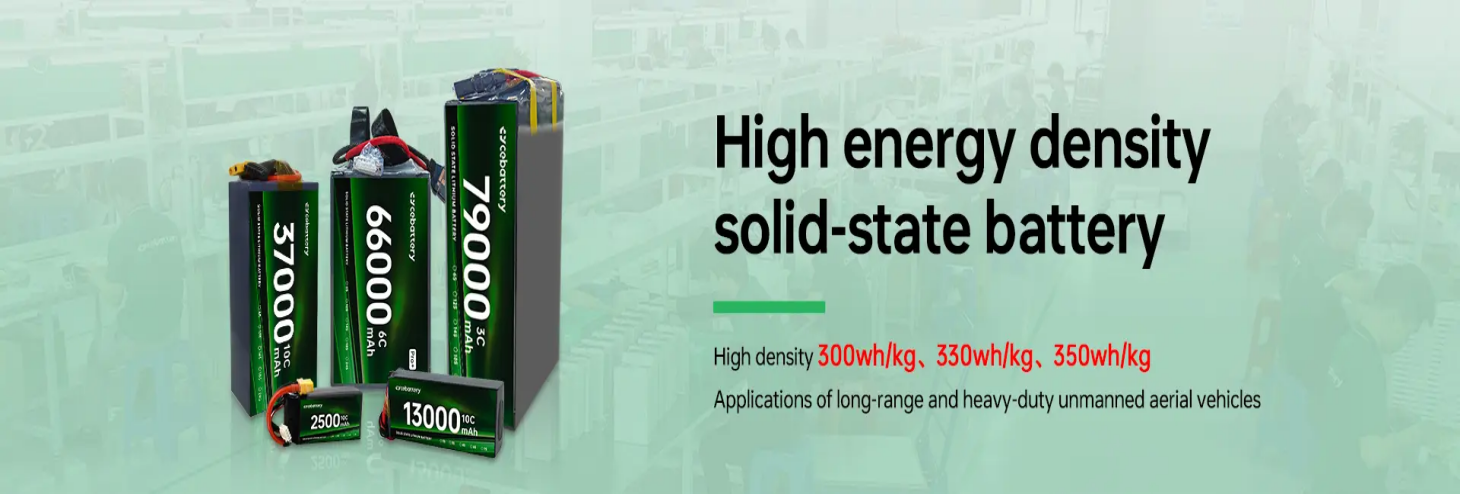
Why Safety-to-Weight Ratio Actually Matters
Most battery discussions focus on capacity or discharge rates, which makes sense—those numbers are easy to compare. But safety-to-weight ratio determines whether your UAV can actually perform its intended mission reliably. Too heavy and your flight time evaporates. Too light without adequate safety margins and you’re gambling with expensive equipment and potentially serious liability.
Here’s what happens with conventional thinking. You see a high-capacity battery that promises great flight times, so you buy it. Then you discover it weighs so much that your actual flight performance is worse than the smaller pack you replaced. Or you go ultra-lightweight to maximize agility, but now you’re constantly worried about thermal issues, voltage instability, and whether that pack will survive a rough landing.
The best solid state UAV battery for your application balances these factors based on your specific operational requirements. Racing applications optimize differently than endurance missions. Commercial operations prioritize differently than recreational flying. Industrial platforms have completely different constraints than consumer drones.
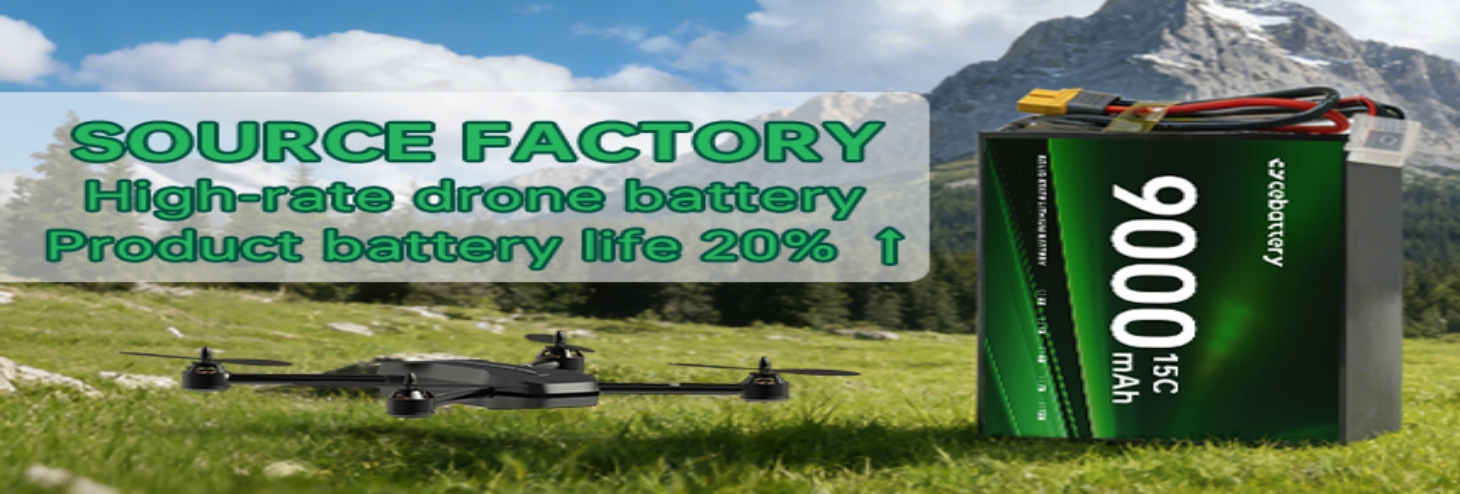
What makes solid state technology interesting is that it fundamentally changes the safety-to-weight equation. Traditional lithium polymer batteries force you to choose—either accept extra weight for safety features, or go light and accept higher risk. Solid state chemistry eliminates much of that trade-off by being inherently safer at the cell level.
The Chemistry Advantage That Changes Everything
Here’s what actually happens inside a solid state UAV battery that makes the safety-to-weight ratio so different. Conventional batteries use liquid electrolytes that are fundamentally volatile. They require heavy protective casings, thermal management systems, and safety circuits to prevent failures. All that protective infrastructure adds weight without adding capacity.
Solid state cells use solid electrolytes that are chemically stable. They don’t catch fire when punctured. They don’t thermally run away when overheated. They don’t leak when damaged. This inherent stability means you need less protective hardware for equivalent safety levels.
The weight you save on safety infrastructure can go toward additional capacity, structural optimization, or simply reducing total pack weight for better flight performance. You’re getting safety and performance instead of choosing between them.
Energy density plays into this too. Solid state technology packs more energy into less volume and weight than conventional chemistry. A solid state UAV battery can deliver the same usable capacity as a heavier LiPo pack while maintaining superior safety characteristics. For weight-sensitive applications, that difference is massive.
Application-Specific Optimization Changes the Game
This is where most buyers make mistakes—they look for a single “best” battery without considering their specific use case. A solid state UAV battery optimized for racing has completely different design priorities than one engineered for survey missions.

Racing and freestyle applications need maximum discharge capability with minimal weight. Safety remains important, but performance per gram is the primary driver. The best safety-to-weight ratio here means aggressive optimization for low weight while maintaining just enough safety margin for the application.
Commercial inspection and survey operations flip those priorities. Reliability and safety become paramount because you’re flying over people, property, or sensitive environments. Equipment failure means lost contracts and potential liability. Here, the best safety-to-weight ratio emphasizes robust safety features while still maintaining reasonable weight for practical flight times.
Heavy-lift platforms face entirely different constraints. You’re already dealing with significant aircraft weight and payloads. Battery safety becomes critical because failures at this scale have serious consequences. But you still need reasonable weight efficiency or the whole mission becomes impractical. The optimization point sits somewhere completely different than lighter applications.
Agricultural operations add environmental factors. Temperature extremes, vibration, chemical exposure, rough field conditions—these all stress batteries in ways that recreational flying never does. The best solid state UAV battery for this work builds in safety margins for environmental abuse while maintaining workable weight for all-day operations.
Custom Engineering vs Off-the-Shelf Solutions
Here’s the reality that most operators eventually discover: generic batteries rarely optimize for your specific requirements. They’re designed for average use cases, which means they’re suboptimal for everyone.
The solid state UAV battery with the best safety-to-weight ratio for your operation is probably one that’s engineered specifically for your platform and mission profile. Cell chemistry selection, pack geometry, thermal management, BMS design, structural reinforcement—all these factors should align with your actual operational needs.

At CEBATTERY, we engineer solid state UAV batteries optimized for specific applications rather than generic platforms. Whether you need maximum safety for commercial operations, minimum weight for performance flying, or custom balance for specialized missions, our team designs batteries where every gram serves your actual requirements.
Ready to find the solid state UAV battery with the ideal safety-to-weight ratio for your specific operation? Contact our engineering team with your platform specs and mission requirements. We’ll show you what’s possible when batteries are actually designed for how you fly.

- Is a 6S Lipo Battery Ideal for FPV Beginners or Advanced Racers?
- Which Drone Battery Brand Offers the Great OEM Customization in 2026?
- Meet CEBATTERY at the 2026 Shanghai Low-altitude Economy Expo
- What’s the Top High Voltage Battery for Long-Range UAV Missions?
- Solid State vs Lipo Battery—Which Delivers Better UAV Safety and Life Cycle?