
Why Do Pro Pilots Switch to Solid State Drone Batteries This Year?
Something’s happening in the professional drone community that’s hard to ignore. Talk to commercial operators, professional racers, or serious cinematographers, and you’ll notice a trend—more and more pro pilots are switching to solid state drone batteries this year.
Not because it’s trendy or because manufacturers are pushing it hard, but because the technology has finally crossed a threshold where the benefits clearly outweigh the costs for professional operations. So what’s actually driving this shift?
The Reliability Factor You Can’t Ignore Anymore
Pro pilots operate under completely different constraints than hobbyists. When you’re flying commercially, battery failure doesn’t just mean a disappointed afternoon—it means lost contracts, liability exposure, and potentially serious financial consequences. You can’t afford the “it’ll probably be fine” approach that works for recreational flying.
Traditional lithium polymer batteries have served well enough, but they’ve always carried inherent risks that professional pilots have simply accepted as part of the job. Thermal instability, voltage inconsistency under load, degradation from environmental stress—these weren’t dealbreakers when there weren’t better options. Now there are.
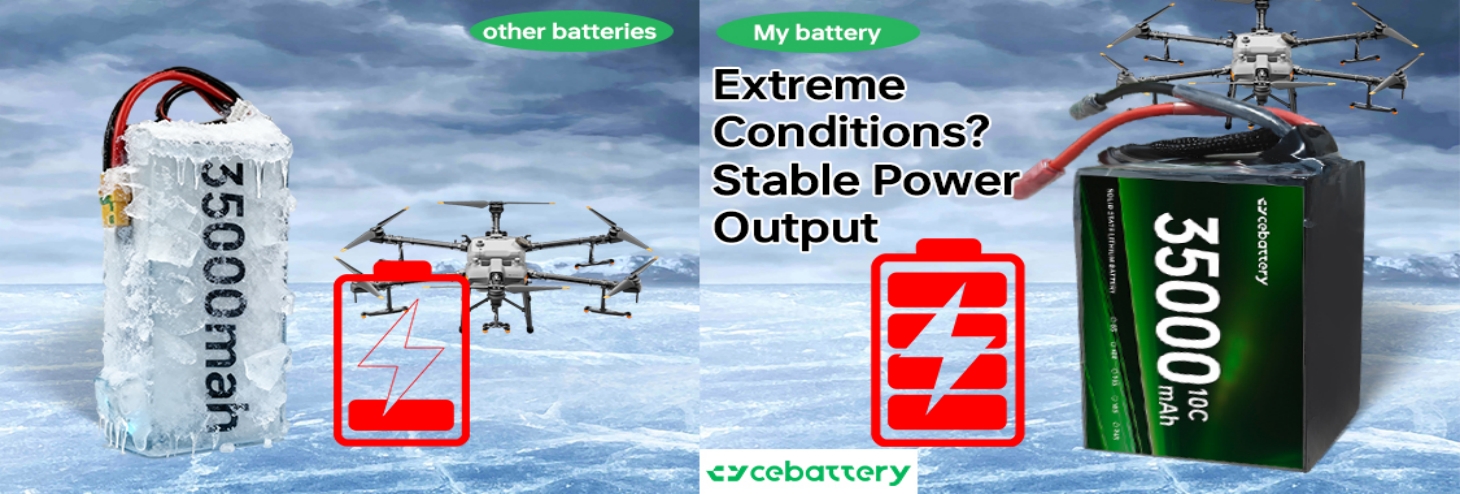
Pro pilots switching to solid state drone batteries this year are making a straightforward calculation: the improved reliability directly translates to reduced operational risk. Batteries that maintain stable performance across temperature extremes mean you can confidently schedule missions without weather becoming a battery safety concern. Chemical stability that eliminates thermal runaway risk means flying over populated areas or expensive equipment without that constant low-level anxiety.
For professional operations where your reputation and income depend on completing missions successfully, reliability isn’t a luxury feature—it’s the foundation of everything you do. Solid state technology delivers that reliability in ways conventional chemistry simply can’t match.
Performance Consistency That Actually Matters
Here’s something recreational pilots don’t think about much but professionals obsess over: performance predictability. When you’re billing clients for your services, you need to know exactly what your equipment will deliver. Flight time estimates need to be accurate. Power delivery needs to be consistent. Battery behavior needs to be predictable across hundreds of cycles.
Traditional batteries start strong but degrade noticeably over their lifespan. A pack that gave you 25 minutes of flight time when new might deliver 18 minutes after 100 cycles. For professional work, that degradation creates constant recalculation and uncertainty. You’re either retiring batteries early or constantly adjusting mission parameters as packs age.
Solid state drone batteries maintain performance characteristics much longer. The chemistry doesn’t break down the same way liquid electrolytes do. Cycle degradation happens slower. A pro pilot who switches this year is buying hundreds of flights of consistent performance instead of gradually declining capability.
This consistency matters enormously for commercial planning. You can schedule back-to-back missions with confidence. You can accurately quote project timelines. You can maintain fleet performance standards without constantly replacing batteries. For businesses where time literally equals money, that predictability has real economic value.
The Economics Finally Make Sense
Let’s address the cost question directly, because it’s usually the first objection. Yes, solid state drone batteries cost more upfront than traditional LiPo packs. No question about it. But pro pilots don’t look at sticker prices—they calculate total cost of ownership.
Start with replacement frequency. If you’re flying professionally, you’re cycling batteries hard. Traditional packs might give you 100-150 cycles before performance degrades unacceptably. Quality solid state batteries can deliver 300-500 cycles with minimal degradation. That’s not incremental improvement—that’s fundamentally different economics.
Add the operational efficiency gains. Better energy density means longer flights or lighter aircraft weight for the same endurance. Faster charging capability means more missions per day with the same equipment. Reliable performance means fewer aborted missions and scheduling conflicts.
Factor in the insurance and liability aspects. As drone operations expand into more regulated airspace and sensitive applications, having demonstrably safer battery technology affects insurance costs and contract eligibility. Some commercial clients are starting to specifically request or require advanced battery safety features in RFPs.
When you run those actual numbers instead of just comparing purchase prices, the switch to solid state drone batteries becomes an obvious business decision for serious professionals.
What This Means for Your Operation
The professionals making the switch this year aren’t early adopters gambling on unproven technology. They’re experienced operators who’ve done the math and realized solid state batteries solve real problems they face daily. Reliability, consistency, safety, and long-term economics all align to make the switch worthwhile.
At CEBATTERY, we engineer solid state drone batteries specifically for professional applications where performance and reliability actually matter. Our batteries are designed for operators who can’t afford equipment failures and need consistent performance across demanding operational schedules.
Ready to see why pro pilots are making the switch? Contact our team to discuss your professional requirements and discover how solid state technology can improve your operations.

- Is a 6S Lipo Battery Ideal for FPV Beginners or Advanced Racers?
- Which Drone Battery Brand Offers the Great OEM Customization in 2026?
- Meet CEBATTERY at the 2026 Shanghai Low-altitude Economy Expo
- What’s the Top High Voltage Battery for Long-Range UAV Missions?
- Solid State vs Lipo Battery—Which Delivers Better UAV Safety and Life Cycle?