
Have you ever worried about your phone overheating or even exploding while charging it? Have you ever felt concerned about battery safety after seeing news reports of drones catching fire due to battery issues? Among the various types of batteries available, solid state batteries and lithium ion batteries are often compared. Which one is safer?
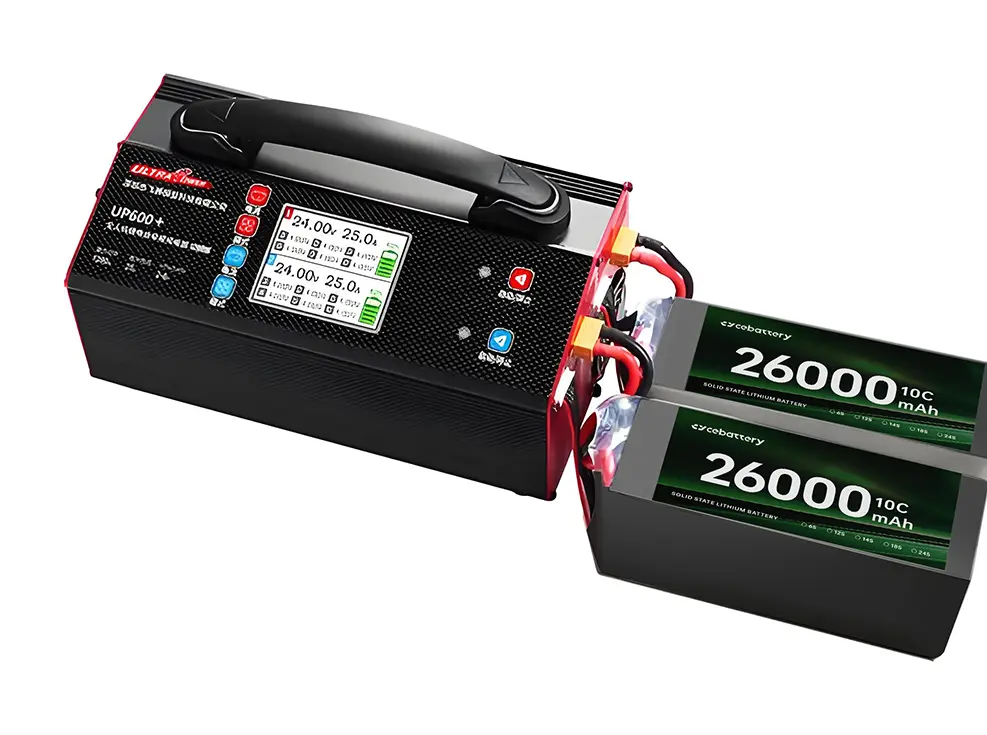
To explore this question, we need to start with the core components of batteries.
1.Electrolyte: The First Line of Defense for Safety
Lithium-ion batteries typically use organic liquid electrolytes, which have a certain degree of flammability. When the battery is subjected to mechanical impact, overcharging, or high temperatures, internal short circuits can occur, causing a rapid rise in temperature. The liquid electrolyte may decompose and release flammable gases, leading to combustion or even explosions, many of which are related to the instability of the liquid electrolyte.
In contrast, solid-state batteries use solid electrolytes such as ceramics or polymers, which exhibit excellent chemical stability and non-flammability. Even under extreme conditions, solid electrolytes are unlikely to decompose or leak, significantly reducing the risk of fire or explosion. Sulfide solid electrolytes have a ignition point exceeding 500°C, while oxide electrolytes remain stable even at 800°C.
The application of solid state batteries stock in drones is an exciting development that promises to revolutionize the unmanned aerial vehicle (UAV) industry. These advanced power sources offer several advantages over traditional lithium-ion batteries, making them particularly well-suited for drone applications.
2.The Safety of Solid State Batteries
When it comes to battery safety, solid state batteries offer several advantages over their lithium ion counterparts. The most significant difference lies in their composition. While traditional lithium ion batteries use a liquid electrolyte, solid state batteries employ a solid electrolyte. This fundamental change in design addresses many of the safety concerns associated with conventional batteries.
One of the primary safety benefits of solid state batteries is their reduced risk of thermal runaway.
Another safety advantage of solid state batteries stock is their improved stability. In some cases, solid state batteries for sale may be lighter, while in others, the weight difference might be negligible or even slightly heavier due to the materials used in the solid electrolyte.
The solid electrolyte is less susceptible to physical damage or deformation, reducing the likelihood of internal short circuits. This enhanced durability makes solid state batteries more resistant to punctures, crushing, or other forms of physical stress that could compromise the safety of traditional batteries.
Structurally, the electrodes in lithium ion batteries are closely spaced, making them prone to dendrite growth. Dendrites are tree-like crystals formed by the uneven deposition of lithium ions on the electrode surface during charging and discharging. They can pierce the separator, causing internal short circuits and safety incidents. In contrast, the solid electrolytes in solid-state batteries have high mechanical strength, effectively suppressing dendrite growth and penetration, further enhancing battery safety.
3.Survival Competition in Extreme Environments
At -20°C, the liquid electrolyte in lithium-ion batteries becomes viscous, causing a sharp drop in ion conductivity efficiency. This not only reduces battery life but may also exacerbate dendrite growth due to uneven charging and discharging. In contrast, solid-state batteries using sulfide electrolytes can maintain over 70% of their capacity at -40°C, and the dendrite growth rate at low temperatures is only one-fifth that of lithium-ion batteries.
The gap becomes even more pronounced in high-temperature environments. When the ambient temperature reaches 45°C, lithium-ion batteries require a cooling system to maintain safety, while solid-state batteries, after 500 cycles of continuous charging and discharging at 60°C, exhibit only a 3% increase in capacity degradation compared to room temperature conditions.
If you’re interested in learning more about solid state batteries and their applications in drones or other technologies. Contact us at levin@cebattery.com for more information on our products and services.