


Solid state batteries, as an emerging energy storage technology, demonstrate tremendous potential in the field of energy storage.
Compared to traditional lithium-ion batteries, they offer numerous advantages. These innovative batteries outperform conventional lithium-ion batteries in energy density, safety, and lifespan.
This paper will delve into the relationship between high-energy-density solid-state batteries and lithium-ion and nickel-based batteries, analyzing their operating principles, advantages, and future development prospects.
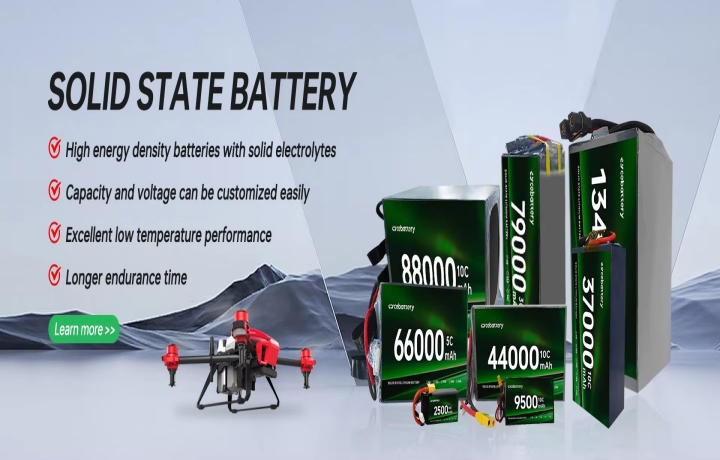
The Function of Nickel in High Energy Density Solid State Batteries Nickel is used in a lot of solid state batteries, especially in the cathodes. Because nickel may improve battery performance and energy storage capacity, it is an essential part of high energy density solid state batteries.
Solid state batteries frequently employ nickel-rich cathodes, such as those that include nickel, manganese, and cobalt (NMC) or nickel, cobalt, and aluminum (NCA). The battery’s energy density can be greatly increased by these cathodes, enabling it to store more energy in a smaller area.
There are various benefits to using nickel in solid state battery cathodes.
- Increased energy density: Nickel-rich cathodes can store more energy per unit volume, leading to longer-lasting batteries.
- Improved cycle life: Nickel contributes to better stability during charge and discharge cycles, extending the battery’s lifespan.
- Enhanced thermal stability: Nickel-containing cathodes can withstand higher temperatures, making the batteries safer and more reliable.
Benefits of Lithium in Solid State Battery Technology
High Energy Density: Of all the elements, lithium has the highest electrochemical potential and is the lightest metal. Batteries with remarkably high energy density can be produced thanks to this combination. Compared to conventional lithium-ion batteries with graphite anodes, the use of lithium metal anodes in high energy density solid state batteries can significantly boost energy density.
Enhanced Safety: Solid state batteries utilizing lithium are intrinsically safer, but lithium-ion batteries with liquid electrolytes may provide safety issues because of possible leakage or thermal runaway. By acting as a barrier, the solid electrolyte lowers the possibility of short circuits and stops dendrites from forming, which can lead to battery failure.
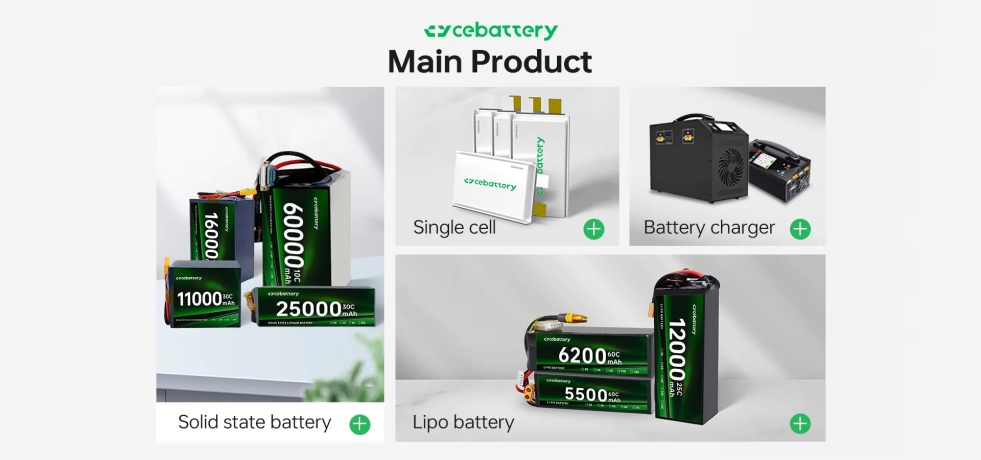
Solid state batteries have considerably more benefits than just longer lifespans and higher energy densities. These cutting-edge power sources have the potential to change the energy storage industry in a number of ways.
Integration with Renewable Energy Systems: Lightweight solid state batteries are perfect for large-scale energy storage applications due to their exceptional energy density and safety. In the renewable energy industry, where effective storage solutions are essential for controlling intermittent power generation from sources like solar and wind, this trend is especially pertinent.
Energy storage has a bright future, and this is an exciting time for producers, consumers, and innovators alike. We’re not only advancing current technologies as we push the limits of high energy density solid state batteries, but we’re also opening up completely new avenues for energy generation, storage, and utilization.
For further information on high energy density solid state batteries and our other high-performance energy storage solutions, please contact us at levin@cebattery.com. Our team of professionals is ready to assist you in finding the best battery solution for your requirements.
