

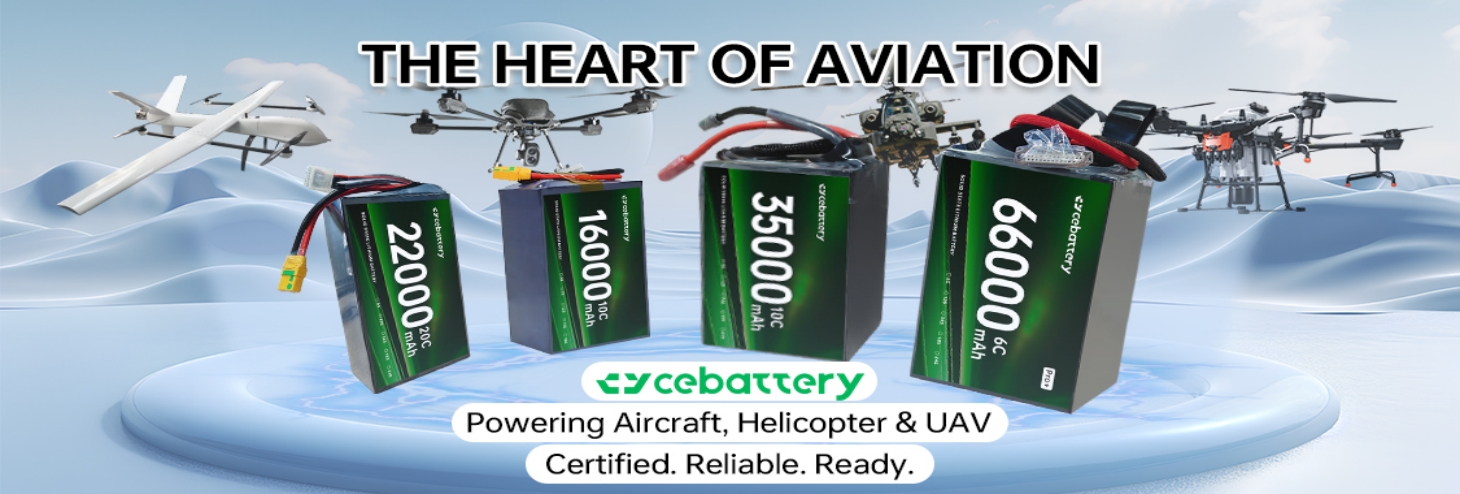
7 Benefits of Solid-State Batteries for Commercial Drones

If you’re running a commercial drone operation, you’ve probably noticed something. Battery technology hasn’t kept pace with everything else. Your drones can fly smarter, capture better footage, and carry heavier payloads than ever before. But flight time? That’s still the bottleneck.
Solid-state batteries for commercial drones are changing that conversation. After working with drone operators across agriculture, surveying, and delivery sectors, we’ve seen firsthand why this technology matters. Here are seven benefits that make solid-state batteries worth your attention.
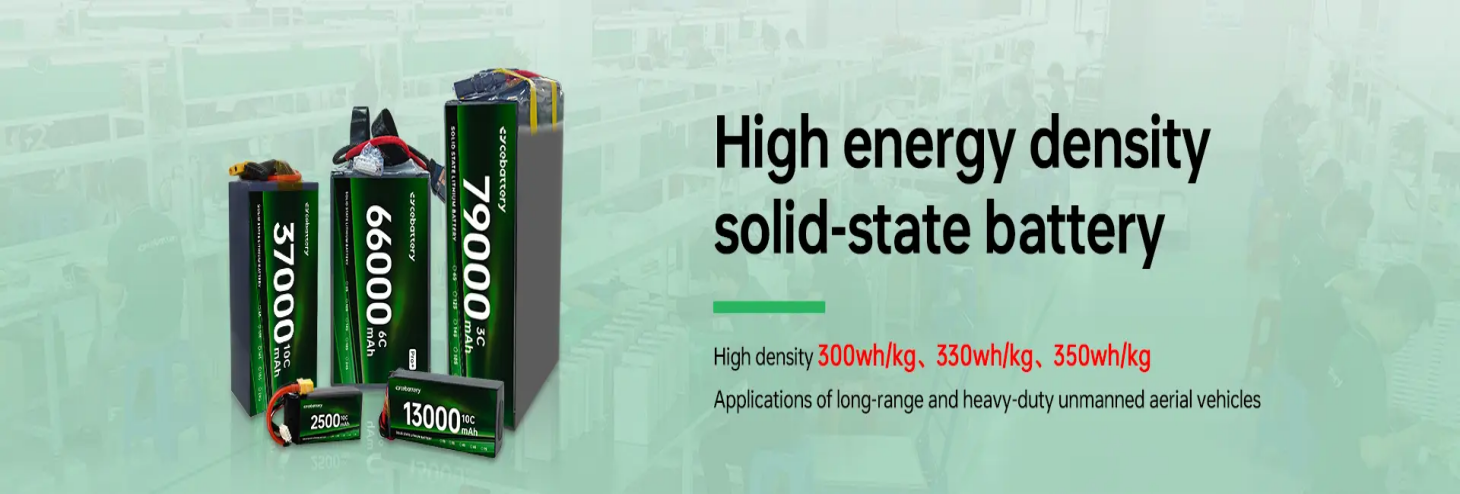
- Higher Energy Density Means Longer Flights
Traditional lithium polymer batteries use liquid electrolytes. They work, but they take up space and add weight without contributing to energy storage. Solid-state batteries replace that liquid with a solid electrolyte material.
The result? You get more energy packed into the same physical space. For commercial operators, this translates to 20-40% longer flight times without changing your drone’s battery compartment. That’s the difference between completing a survey mission in one flight versus landing to swap batteries halfway through.
- Improved Safety Profile
Anyone who’s dealt with a swollen LiPo battery knows the anxiety. Liquid electrolytes are flammable. If the battery gets punctured or overheats, you’ve got a real problem on your hands.
Solid-state electrolytes don’t have this issue. Solid-state batteries for commercial drones, they’re inherently more stable. No liquid means no leakage risk and significantly reduced fire hazard. For operations over populated areas or valuable crops, this peace of mind matters.
- Faster Charging Cycles
Time is money in commercial drone work. Traditional batteries need careful, slow charging to avoid damage. Push too hard, and you shorten the battery’s lifespan.
Solid-state technology handles higher charging currents without the same degradation concerns. We’ve seen charging times cut by 30-50% in real-world applications. When you’re running multiple flights per day, those saved minutes add up fast.
- Extended Cycle Life
Here’s a number that affects your bottom line: a quality solid-state battery can deliver 800-1000 charge cycles before hitting 80% capacity. Compare that to 300-500 cycles for typical LiPo batteries.
Over a year of daily operations, that’s the difference between replacing your battery pack once versus twice or three times. The higher upfront cost of solid-state batteries gets offset pretty quickly when you factor in replacement frequency.
- Better Performance in Extreme Temperatures
Commercial drones don’t always fly in ideal conditions. Agricultural spraying happens in summer heat. Infrastructure inspection might occur in winter cold. Traditional batteries struggle at temperature extremes.
Solid-state batteries maintain more consistent performance across a wider temperature range.
The solid electrolyte doesn’t freeze or become unstable the way liquid electrolytes can. If you’re operating in challenging environments, this reliability isn’t optional—it’s essential.
- More Flexible Form Factors
Without the constraints of liquid containment, solid-state batteries for commercial dronescan be manufactured in shapes that weren’t previously practical. This opens up design possibilities for drone manufacturers and custom integrators.
Need a battery that fits into an unusually shaped compartment? Want to balance weight distribution more precisely? Solid-state technology offers flexibility that traditional battery construction simply can’t match.
- Reduced Weight for Equivalent Power
Weight is everything in drone operations. Every gram you save on the battery is a gram you can allocate to payload—whether that’s sensors, cameras, or delivery packages.
Solid-state batteries typically achieve 15-25% weight savings compared to LiPo batteries with similar capacity. For delivery drones, that’s extra cargo capacity. For surveying drones, it’s the ability to carry more sophisticated imaging equipment.
Making the Switch
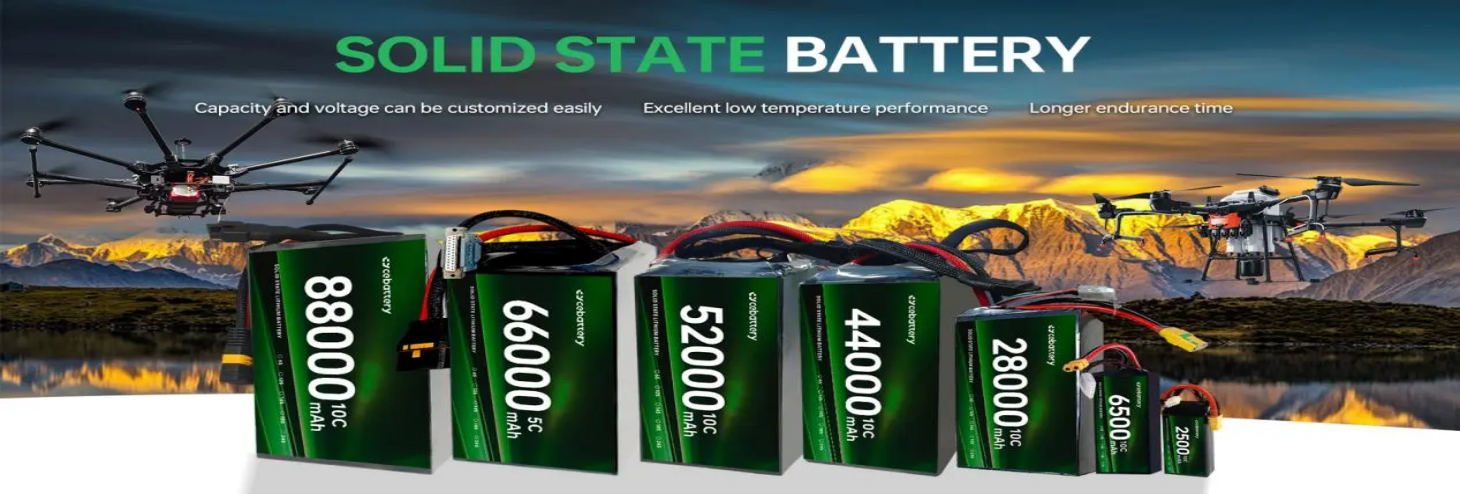
Transitioning to solid-state batteries isn’t complicated, but it does require some planning. Check your drone’s battery compartment dimensions, verify connector compatibility, and consider your typical operating conditions.
At CEBATTERY, we’ve helped commercial operators across industries make this transition. The feedback is consistent: once operators experience the benefits of solid-state technology, they don’t want to go back.
If you’re evaluating battery options for your commercial drone fleet, reach out. We can discuss your specific requirements and help determine whether solid-state batteries make sense for your operation.

- 7 Benefits of Solid-State Batteries for Commercial Drones
- How Does a High Energy Solid State Battery Improve FPV Endurance?
- Where Can You Get Original Factory Solid State UAV Batteries in Bulk?
- Why Choose Solid State Drone Batteries for Safer Long Missions in 2026?
- Is a 6S Solid State Battery Pack Worth It for Your Commercial Drone?