
Keeping your drone in the air starts with healthy drone batteries.
Charging seems simple—plug it in and wait—but doing it wrong can shorten your battery’s life, cost you money, and even create safety risks. For drone pilots, from enthusiastic beginners to seasoned professionals, proper charging isn’t just a suggestion; it’s essential for performance and safety.
Let’s break down the three most common mistakes that ruin drone batteries and exactly how to avoid them.
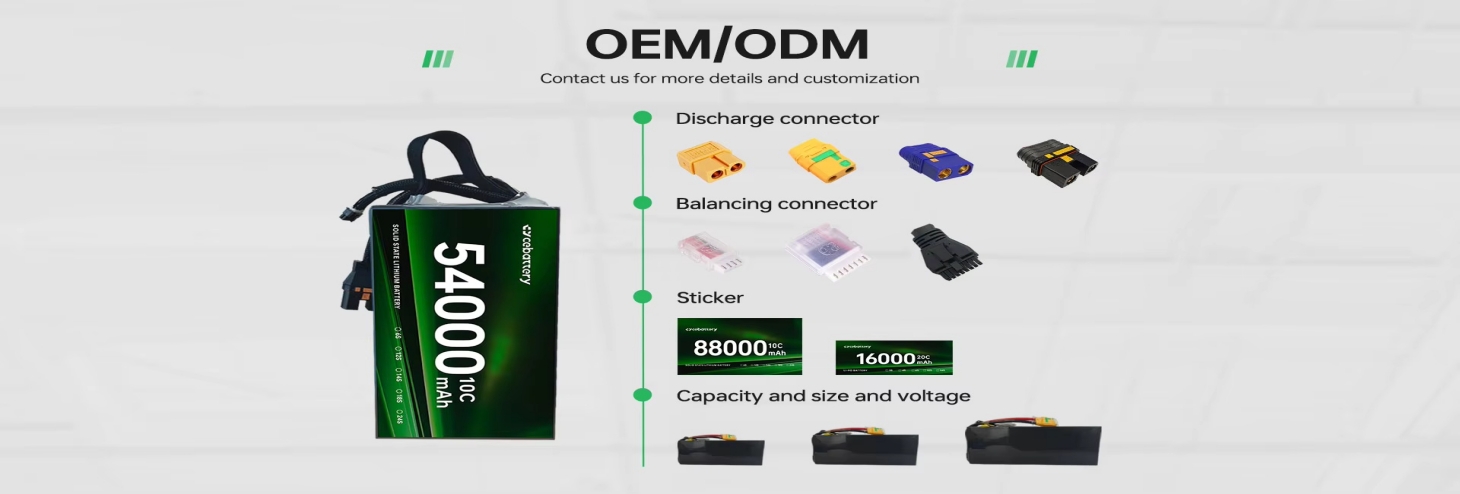
Mistake 1: Leaving Drone Batteries at Full Charge (or Empty) for Long Periods
This is the silent killer of lithium-polymer (LiPo) batteries, which power most drones.
The Problem: You finish a flight day and charge all your batteries to 100%, ready for next weekend. Or, you store them completely drained. Both states put immense stress on the battery chemistry.
Why It Ruins Batteries: Storing a battery at full charge accelerates internal degradation, causing it to lose capacity faster. Storing it completely empty can push the voltage so low that the battery becomes permanently damaged and won’t accept a charge again—a state called “over-discharge.”
The Safe Charging Fix: For storage, your batteries should be at a partial charge, typically around 40-60%. Most modern smart chargers and even some drones have a dedicated “Storage Mode.” Always use it if you won’t be flying for more than a few days. Plan ahead: charge to 100% only on the day you intend to fly.
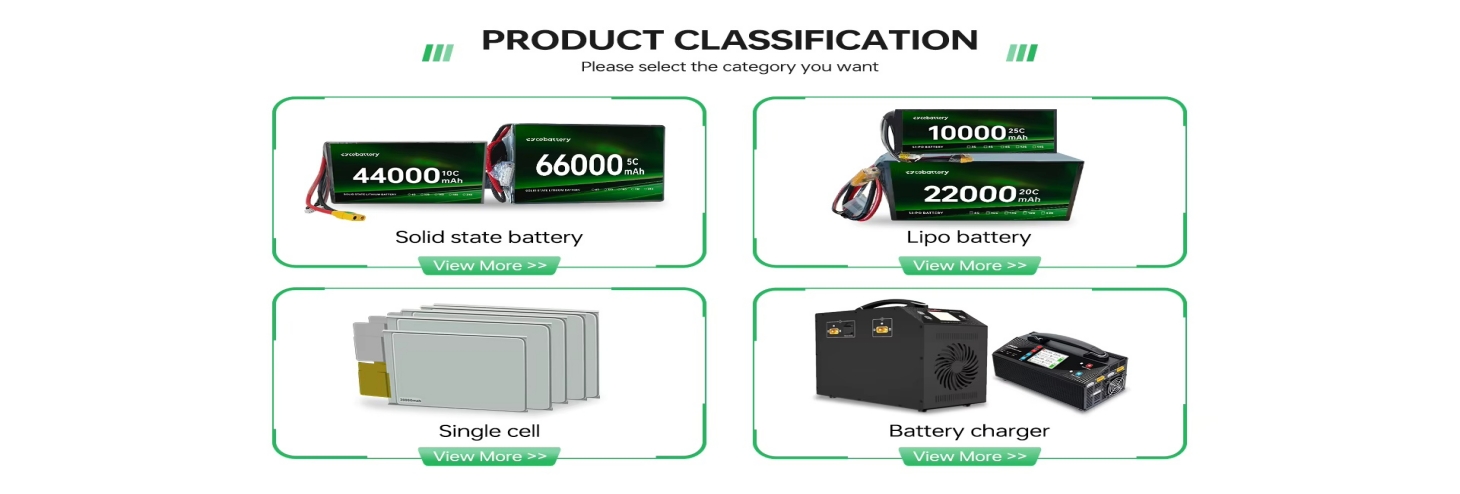
Mistake 2: Using the Wrong Charger or Ignoring the Charger Completely
Not all chargers are created equal, and the one that came in the box is part of a safe system.
The Problem: Using a fast charger not designed for your specific battery, a damaged cable, or a cheap, unbranded charger from a third party. Also, simply plugging in and walking away without monitoring.
Why It Ruins Batteries: Incorrect chargers can deliver the wrong voltage or current, leading to overcharging, overheating, and swelling. This damages cells immediately and is a major fire hazard. Even with the right charger, failing to supervise means you miss warning signs like unusual heat or swelling.
The Safe Charging Fix: Always use the manufacturer-approved charger. Charge on a non-flammable surface (like a cement floor or LiPo safety bag), away from sunlight and flammable materials. Never leave charging batteries unattended. Make it a habit to be nearby so you can react if something goes wrong.
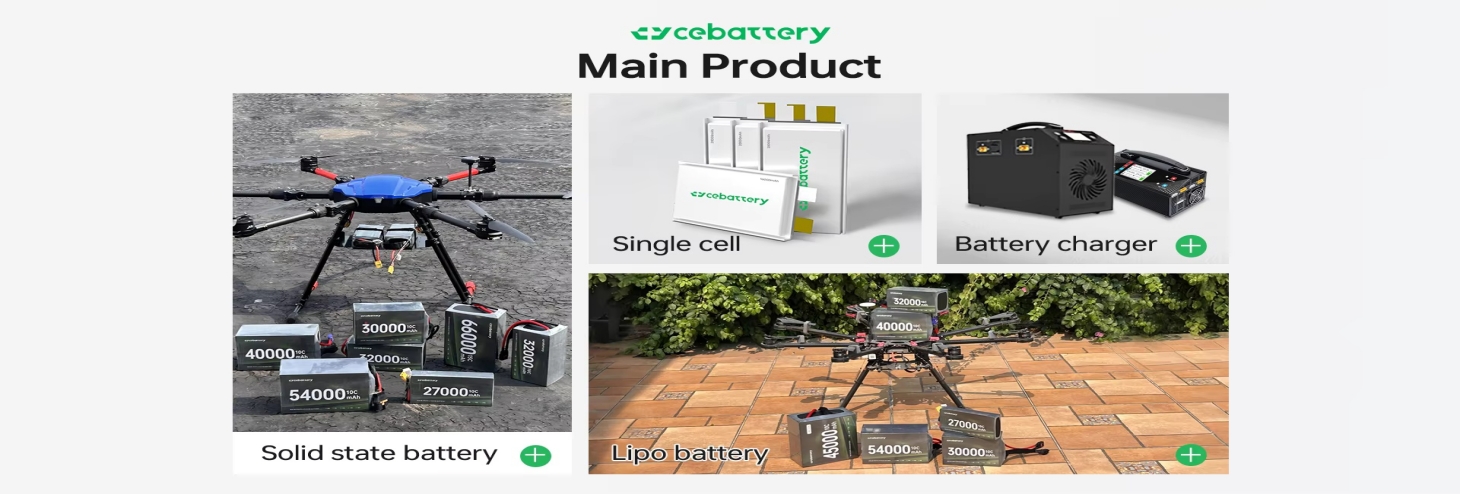
Mistake 3: Charging in Extreme Temperatures
Your battery’s environment during charging is as critical as the charger itself.
The Problem: Throwing your cold battery from a winter flight onto the charger immediately, or charging in a hot car or direct summer sun.
Why It Destroys Batteries: Charging a battery below freezing (32°F/0°C) can cause persistent metallic lithium plating inside the cell, reducing capacity and increasing the likelihood of failure. Charging under high heat accelerates chemical breakdown, potentially leading to a hazardous thermal runaway.
The Safe Charging Solution: Always charge at a regular temperature. If your battery is cold, allow it to warm up naturally to a reasonable temperature (about 60-80°F/15-27°C) before inserting it into the charger. In the same vein, never charge a battery that is hot to the touch due to sunlight or flight; instead, let it cool.
Your Checklist for Safe Charging
In conclusion, you may safely charge drone batteries and increase their longevity by following this easy routine:
Use Storage Mode for any battery not used within 2-3 days.
Charge to 100% only on flying day.
Use only the approved charger and cable.
Charge on a safe, fire-resistant surface.
Stay present and monitor the charging process.
Ensure battery temperature is moderate before and during charging.
By avoiding these three typical errors, you’re investing in more dependable flights, improved performance, and increased safety in addition to safeguarding your equipment. Your batteries will power your travels for many more flights if you take good care of them.
The future of drone batteries is bright, and this is an exciting time for manufacturers, users, and innovators. As we push the boundaries of high energy density solid state batteries, we’re not just developing existing technologies but also creating entirely new opportunities for energy production, storage, and use.
Please email us at levin@cebattery.com for more details on our other high-performance energy storage options and high energy density solid state batteries. Our team of experts is prepared to help you identify the ideal battery solution for your needs.