For years, drone pilots have been tethered to a frustrating reality: the 20-to-30-minute flight window. We carry bags full of heavy LiPo (Lithium Polymer) packs, constantly swapping and charging just to keep the drones in the air.
But a new player is entering the market—solid state uav batteries. You’ve likely seen the headlines promising double the flight time and zero fire risk. But are they actually worth the premium price tag right now, or is it just marketing fluff?
Let’s break down the reality of solid state uav batteries tech for the everyday pilot.
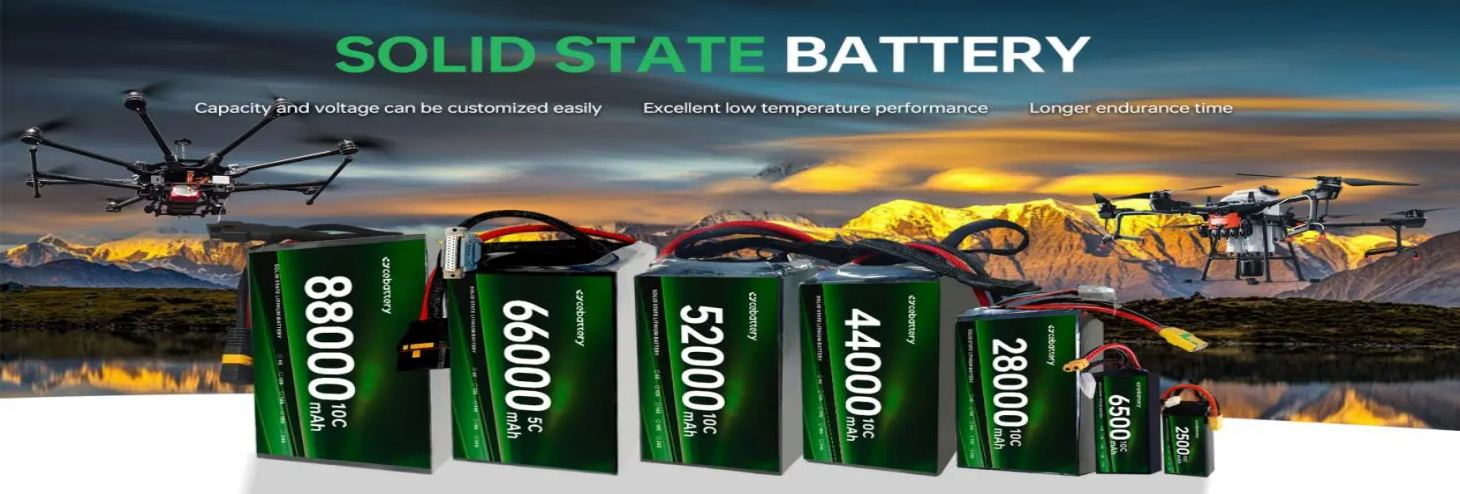
Solid state UAV batteries are becoming a smart upgrade for both FPV racing pilots and commercial drone operators because they offer higher energy density, better safety, and longer cycle life than traditional LiPo packs. Used correctly, they can deliver longer flights, faster turnaround, and a lower total cost of ownership across a drone fleet.
What are solid state UAV batteries?
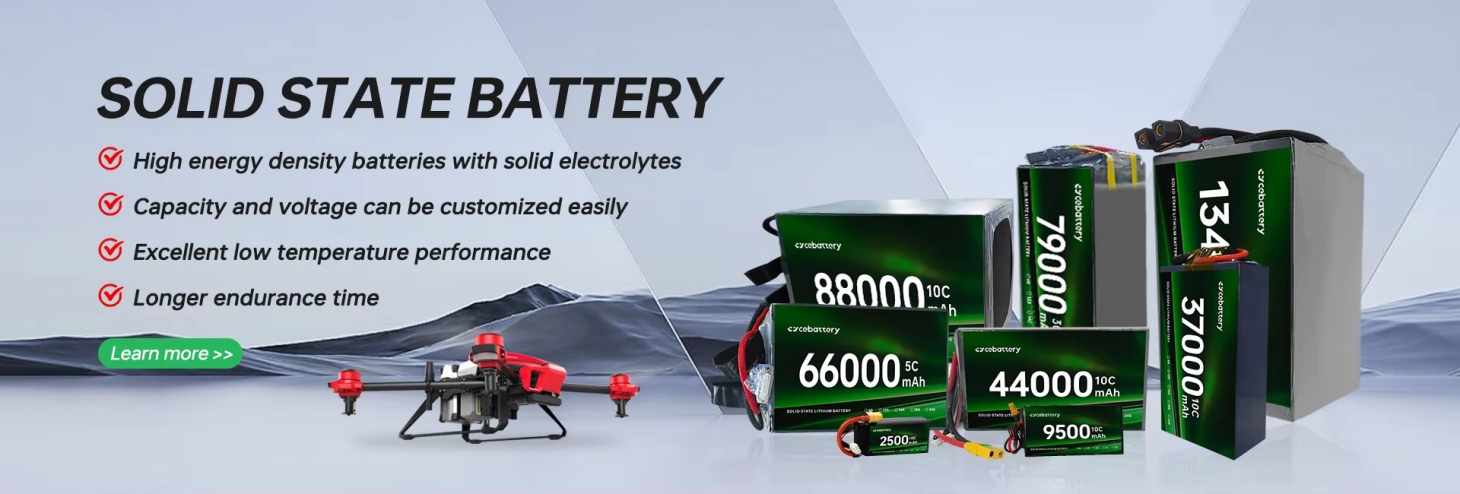
Solid state UAV batteries replaces the liquid electrolyte found in standard lithium‑ion or LiPo packs with a solid electrolyte material. This structural change allows the use of high‑capacity anodes, increases energy density, and greatly improves thermal stability in flight.
For FPV and commercial drones, this means more usable power in the same size pack and less risk of swelling, leakage, or fire under aggressive loading and frequent charge cycles.
Key benefits for FPV racing drones
FPV racing puts extreme current demands on every pack, so power delivery and temperature control matter more than anything else. Solid state UAV drone batteries address these pain points in several ways.
Standard drone batteries use a liquid electrolyte to move energy around. It works well, but it’s heavy, volatile, and prone to “puffing” if handled poorly.
Solid state uav batteries replace that liquid with a solid material (like ceramic or glass). This simple change allows for higher energy density, meaning you can cram more power into a smaller, lighter footprint. For a drone, weight is the enemy of endurance—so this is a big deal.
The 3 Reasons to Make the Switch
- Massive Gains in Flight Time
The biggest selling point is the power-to-weight ratio. A solid-state battery can offer up to 40-50% more capacity than a LiPo of the same weight. If your current setup gets 25 minutes of airtime, a solid-state equivalent could realistically push you past the 40-minute mark. For mapping, search and rescue, or long-range cinematography, that’s a game-changer. - No More “Fire Anxiety”
We’ve all seen the videos of LiPo fires. Liquid electrolytes are flammable; solid ones aren’t. Solid-state batteries are significantly more stable and resistant to physical damage. They don’t suffer from “thermal runaway” in the same way, making them much safer to transport and store in your home. - Better Performance in the Cold
If you’ve ever tried to fly in sub-zero temperatures, you know how fast LiPo voltage drops. Solid-state batteries are much more resilient in extreme climates, maintaining their discharge rate even when the temperature dips, which is a huge plus for industrial inspections in harsh environments.
The Reality Check: The Downsides
If they’re so great, why isn’t everyone using them?
The Price Tag: Right now, solid-state technology is expensive to manufacture. You can expect to pay 2x to 3x more than you would for a standard high-end LiPo.
Availability: While they are hitting the market, they aren’t yet available for every “off-the-shelf” consumer drone. Most current options are geared toward custom builds or high-end enterprise platforms.
Charging Requirements: You can’t always use your old charger. Some solid-state cells require specific charging profiles to maintain their longevity.
The Verdict: Is It Worth It?
Invest if: You are a professional pilot where “time is money.” If an extra 15 minutes of flight time prevents you from having to land, swap batteries, and recalibrate during a critical job, the battery pays for itself in a month.
Wait if: You are a casual hobbyist or a weekend racer. For standard recreational flying, LiPos are still the most cost-effective way to get in the air. As the technology scales and prices drop over the next 18–24 months, solid-state will likely become the new standard.
Investing in solid-state right now is essentially buying a ticket to the “bleeding edge.” It’s incredible tech, but for many, the price of entry is still the biggest hurdle.