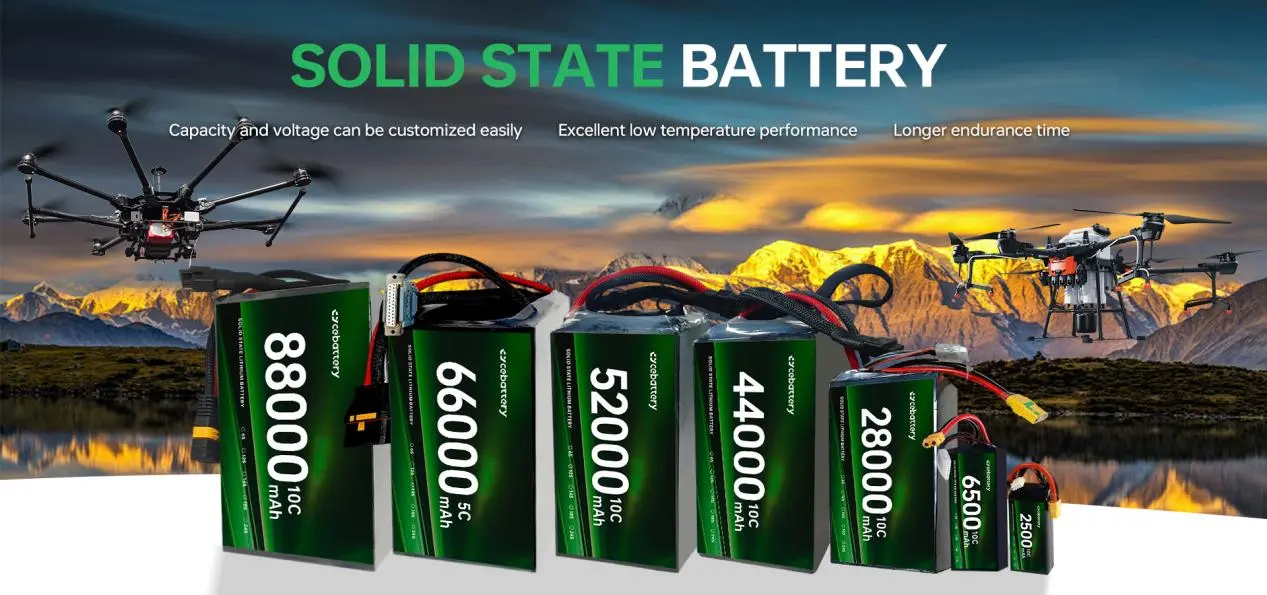
Traditional lithium-ion batteries have served us well, but they come with limits — short flight times, safety risks, and performance issues in extreme temperatures. Enter solid-state batteries, the new kid on the block that’s flipping the script.
First up, energy density.
Solid-state batteries can pack more punch into the same size battery — think of it as a supercharged fuel tank. This means your drone can stay airborne longer and cover more ground, whether you’re capturing breathtaking aerial photography or delivering packages.
Safety is another huge win.
Traditional drone batteries can be ticking time bombs sometimes, prone to thermal runaway or fires if damaged or overheated. The solid electrolyte in these new batteries is non-flammable, dramatically cutting those risks. So, you can breathe easier about flying over populated zones or sensitive places.
Then there’s durability. Solid state batteries don’t wear out as fast, offering thousands more charging cycles than lithium-ion batteries. For commercial drone users, that’s money saved on replacements and less downtime. Plus, because they handle extreme temps better, your drone won’t suddenly lose juice on you in the cold or heat.
While lithium-ion batteries have been improving steadily, there are some glaring challenges that are hard to overcome:
Limited Flight Time: Typically, drones powered by lithium-ion max out around 20-30 minutes per charge — frustrating for both hobbyists and professionals.
Safety Concerns: Liquid electrolytes are flammable and can cause fires under stress or impact.
Performance Drops in Extreme Conditions: Cold weather can seriously reduce battery efficiency, while heat increases safety risks.
Limited Lifespan: Over time, repeated charge cycles degrade the battery capacity notably.
These issues have kept drones tethered by battery tech — literally and figuratively. But with solid state batteries, that’s changing fast.

Future of Solid-State Batteries in the Drone Industry
The future of solid-state batteries in the drone industry appears promising. As research and development continue, advancements in materials science and manufacturing techniques are expected to address the current challenges and drive down production costs.
The potential benefits of solid-state batteries are significant, and their adoption is likely to transform the drone industry in several ways:
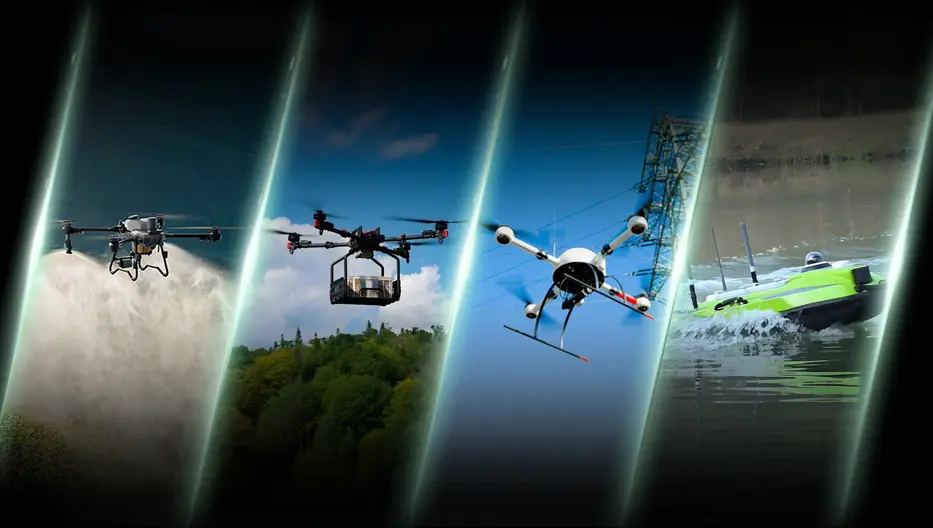
Extended Flight Times: With higher energy density, drones will be able to fly longer, enabling them to cover larger areas, perform more complex tasks, and operate in remote locations1. This could revolutionize industries like emergency response, where drones could provide critical assistance for extended periods, and agriculture, where drones could monitor vast fields for hours on end.
Increased Payload Capacity: Drones will be able to carry heavier payloads, including more sophisticated sensors, cameras, and other equipment, expanding their applications in various fields. This could lead to advancements in areas like aerial photography, where drones could carry higher-resolution cameras and more advanced imaging systems, and package delivery, where drones could transport heavier and more diverse payloads.
Enhanced Safety: The non-flammable nature of solid-state batteries will improve the safety of drone operations, particularly in sensitive environments or when carrying hazardous materials. This increased safety will be crucial for the wider adoption of drones in urban areas and for applications involving the transport of sensitive or dangerous goods.
Improved Reliability: With longer lifespans and better performance in extreme temperatures, solid-state batteries will enhance the reliability of drones, reducing maintenance needs and downtime. This increased reliability will be essential for critical applications, such as infrastructure inspection and search and rescue operations, where drone failure could have serious consequences.
What’s Next? The Future Sky is Bright and Solid
So, what does this mean for you and me? As solid-state batteries move from prototype labs to actual drones in the sky, expect longer flight times, safer operations, and more reliable drones that can tackle serious work — from parcel delivery to disaster response.
Maybe you’re a drone hobbyist dreaming of exploration without the constant worry about battery life, or a business owner eyeing next-level delivery tech — this battery revolution means drones are about to get a whole lot smarter and more capable. And for the USA, securing solid state battery manufacturing ensures we stay ahead in this high-flying tech race.
Thinking about upgrading your drone? Keep an eye on solid-state battery breakthroughs. They’re not just a fad — they’re the future of flying tech. Got questions or thoughts on solid state drone batteries? Contact us kindly at levin@cebattery.com— let’s talk all things about drones and batteries!