


How Does a High Energy Solid State Battery Improve FPV Endurance?
Every FPV pilot knows that sinking feeling. You’re three minutes into what could be your best freestyle run ever, flow is perfect, tricks are landing clean—then your battery alarm starts screaming.
Flight’s over. For racers threading gates at 100mph, for long-range pilots exploring miles from home, for cinematic operators lining up that perfect shot, endurance isn’t just a spec sheet number. It’s the difference between nailing it and packing up frustrated. So how does a high energy solid state battery actually change this game?
The Chemistry That Finally Makes Sense
Here’s what most pilots don’t realize about why your current batteries die so fast. Traditional LiPo chemistry, as good as it’s been for FPV, has fundamental physical limits. You can only squeeze so much energy into a given weight and volume before you hit the ceiling of what lithium polymer chemistry allows. Engineers have been pushing those limits for years, but the basic constraints remain.
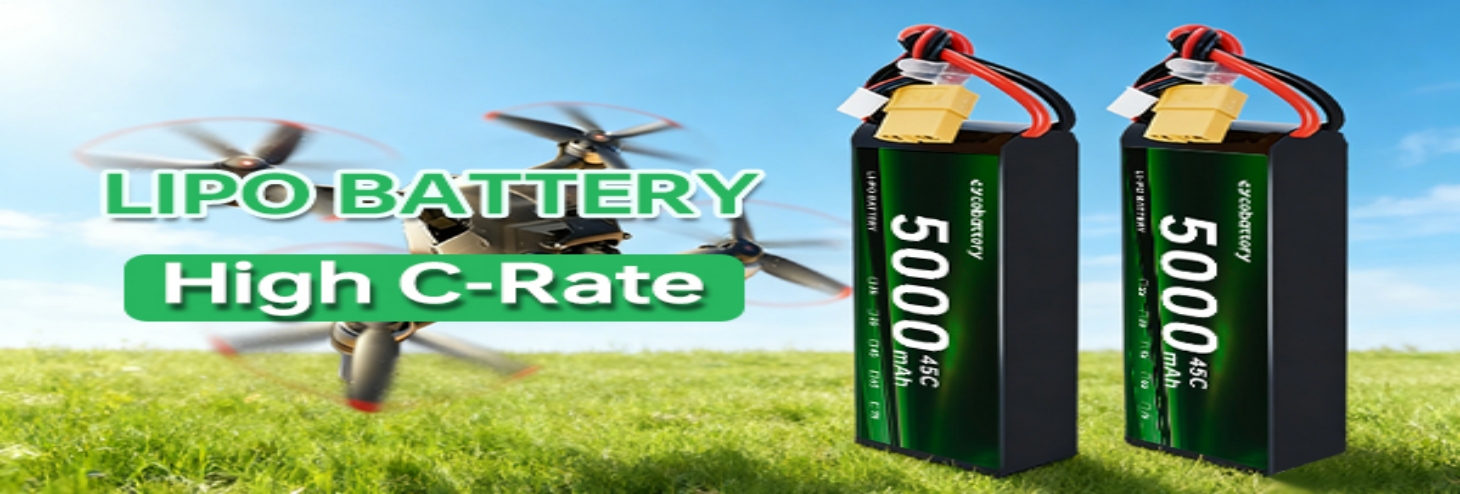
High energy solid state batteries work differently at the molecular level. The solid electrolyte structure enables significantly higher energy density than liquid-based cells can achieve. This isn’t incremental improvement—it’s a different ballgame entirely. What this means in real terms: you get more flight time from the same weight, or you can run a lighter pack with your current endurance.
For racing quads where power-to-weight ratio determines whether you make that split-S or eat dirt, this matters enormously. You’re not choosing between a heavy pack that flies like a brick or a light pack that dies in two minutes anymore. A high energy solid state battery gives you legitimate endurance without killing your thrust-to-weight.
Freestyle pilots see the benefit immediately. Those extra 60-90 seconds mean you can actually complete your planned run instead of cutting it short. You’re not constantly calculating remaining time in your head while trying to focus on flying. The mental bandwidth that frees up makes you a better pilot.
Long-range explorers finally get the confidence to push further out. When your pack genuinely holds more usable energy in the same weight, your range calculations change completely. That mountain ridge you’ve been wanting to explore? Suddenly it’s within reach without sketchy battery math and crossing your fingers on the return leg.
Voltage Stability That Changes How Your Quad Flies
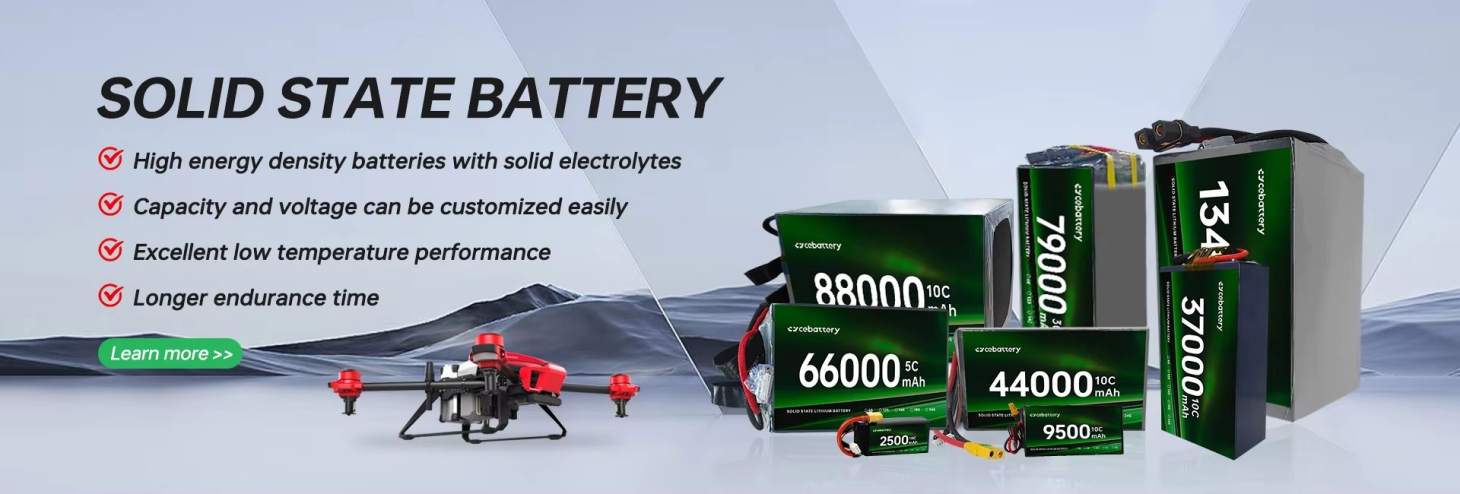
Something most pilots notice immediately after switching to solid state: your quad feels consistent from full charge to landing alarm. With traditional batteries, you’ve learned to compensate for voltage sag. Hard punches don’t hit as hard at 3.7v per cell as they do at 4.1v. Your tune behaves differently as the pack drains. You’re subconsciously adjusting your flying throughout the battery.
High energy solid state batteries maintain much flatter voltage curves under load. The discharge characteristics stay more stable from full to empty, which means your quad responds more predictably throughout the entire flight. Your PIDs don’t need retuning for different battery levels. Power delivery stays consistent whether you’re at 100% or 20%.
This stability matters even more during high-current draws. When you’re pulling 150 amps through a hard corner or sustained climb, conventional High Energy Solid State Battery batteries sag noticeably. Solid state cells handle those current spikes with less voltage drop, which translates directly to more consistent power at the motors. Your quad does what you tell it to do, when you tell it to do it.
Temperature performance deserves attention too. Any pilot who’s flown in winter knows the pain of watching flight time evaporate in cold air. Traditional LiPo packs lose significant capacity below 60°F and become dangerously inefficient below freezing. Summer heat creates its own problems—overheating packs, thermal shutdowns, fire risk after hard flights.
A high energy solid state battery maintains stable performance across a dramatically wider temperature range. Winter flying sessions don’t automatically mean accepting half your normal endurance. Summer racing in direct sun doesn’t require constant thermal monitoring. You fly more, worry less.
The Longevity Factor Nobody Talks About
Let’s discuss something that hits your wallet harder than initial battery cost: replacement frequency. How many cycles are you really getting from your current packs before they puff, lose capacity, or become dangerously unreliable?
If you fly hard—and if you’re reading this, you probably do—you know conventional LiPo batteries start degrading noticeably after 50-100 cycles. Maybe you get 150 if you baby them, but who’s babying batteries during aggressive freestyle or racing? The constant replacement cycle gets expensive fast.
Solid state technology handles charge cycles fundamentally better. The high energy solid state battery electrolyte doesn’t break down the way liquid electrolytes do. Cell degradation happens much slower. You’re looking at potentially 300-500 cycles before seeing the capacity loss you’d get at 100 cycles with traditional packs.
That longevity compounds the value significantly. Yeah, solid state costs more upfront—nobody’s pretending otherwise. But run the actual math on how many conventional packs you buy annually. Factor in the performance consistency over the battery’s lifetime. Suddenly the economics look different.
Getting Batteries That Actually Match Your Flying
Not every FPV pilot needs identical battery specs. Race builds optimize differently than long-range rigs. Freestyle quads have different priorities than cinematic platforms. Your specific build, flying style, and typical missions determine what you actually need from a battery.
At CEBATTERY, we engineer high energy solid state batteries designed specifically for FPV applications. Whether you need maximum endurance for exploration, high discharge for racing, or balanced performance for freestyle, our team can design packs optimized for exactly how you fly.
Ready to see what real endurance improvement looks like on your quad? Contact our technical team to discuss your build specs and flying requirements. We’ll show you what’s possible when your battery is actually engineered for FPV performance.

- How Does a High Energy Solid State Battery Improve FPV Endurance?
- Where Can You Get Original Factory Solid State UAV Batteries in Bulk?
- Why Choose Solid State Drone Batteries for Safer Long Missions in 2026?
- Is a 6S Solid State Battery Pack Worth It for Your Commercial Drone?
- Which Solid State Drone Battery Boosts UAV Flight Time by 40%?