
Warum Original Factory Batteries Outperform Cheap Generic Options?
The price difference is hard to ignore. A generic UAV battery listed at half the cost of an original factory pack looks like a straightforward budget win — same voltage, similar capacity, ships fast. Plenty of operators make that call and don’t immediately regret it.
The regret tends to arrive later. A few dozen cycles in. When the pack that looked fine on paper starts delivering 20% less flight time than expected. Or when it swells in storage after three months.
Or — worst case — when it fails mid-mission in a way that a quality battery with proper BMS protection wouldn’t have.
The price gap between factory-quality and generic UAV batteries is real. So is what causes it.

Cell Quality Is Where the Gap Starts
Every lithium polymer or lithium-ion UAV original factory batteries is built from individual cells. The quality, consistency, and origin of those cells determine nearly everything about how the pack performs and how long it lasts.
Original factory UAV batteries source cells from vetted suppliers with documented production standards.
Incoming cells are tested and matched — grouped by capacity, internal resistance, and self-discharge characteristics before pack assembly. The goal is a pack where every cell behaves the same way under load, charges and discharges at the same rate, and degrades at the same pace.
Generic batteries cut costs here first. Lower-grade cells, minimal or no cell matching, and inconsistent quality control across production batches produce packs where individual cells diverge in behavior from the first cycle.
That divergence compounds over time — accelerating degradation, reducing effective capacity, and creating the kind of internal imbalance that shortens a pack’s useful life dramatically.
A battery that costs half as much but lasts a third as long isn’t a savings. It’s a replacement cost deferred by a few months.
BMS Quality Determines Whether Protection Actually Works
The battery management system is the layer between normal operation and a safety incident. It monitors cell voltages, manages temperature thresholds, handles cell balancing during charging, and cuts power when fault conditions exceed safe limits.
In the quality original factory batteries, the BMS is calibrated for the specific cell chemistry and configuration in the pack. Protection thresholds are set based on actual cell behavior under load, not generic defaults.
Telemetry output is accurate and compatible with commercial flight controller systems.
Generic batteries frequently cut corners on BMS quality in ways that don’t show up on spec sheets.
Cheap protection ICs with loose tolerances, missing temperature sensors, or balance charging that doesn’t actually equalize cells between flights. The pack looks functional until it isn’t.
A BMS failure isn’t a performance problem. It’s a safety problem.
Consistency Across Units Matters at Fleet Scale
For operators running a single drone, inconsistent battery quality is an inconvenience. For anyone managing a fleet of five or more aircraft, it becomes a reliability and planning problem.
Original factory batteries batteries from reputable manufacturers deliver consistent performance pack to pack. Same capacity retention curve.
Same discharge behavior at temperature. Same cycle life. That consistency allows for predictable flight time planning, standardized replacement schedules, and battery rotation strategies that actually work.
Generic batteries from the same listing can vary significantly between production batches.
One order performs reasonably well; the next underperforms out of the box. At fleet scale, that variation creates operational unpredictability that compounds across every mission.
The Total Cost Calculus
Operators who track battery costs carefully — purchase price divided by reliable cycles delivered — consistently find that quality factory UAV batteries are cheaper per flight hour than generic alternatives, despite higher upfront cost.
The math is straightforward: a factory LiPo pack delivering 400 consistent cycles costs less per cycle than a generic pack delivering 150 cycles with degrading performance for the last fifty.
Add in the operational disruption of premature replacements and the real cost of the cheap option becomes clear.

CEBATTERY‘s Manufacturing Standard
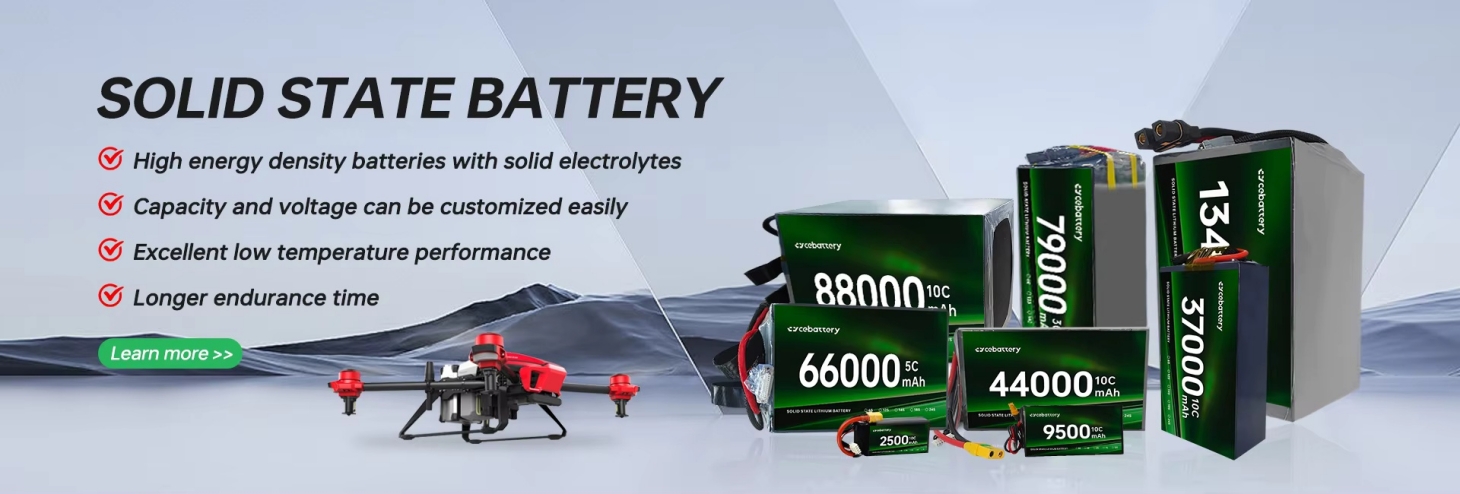
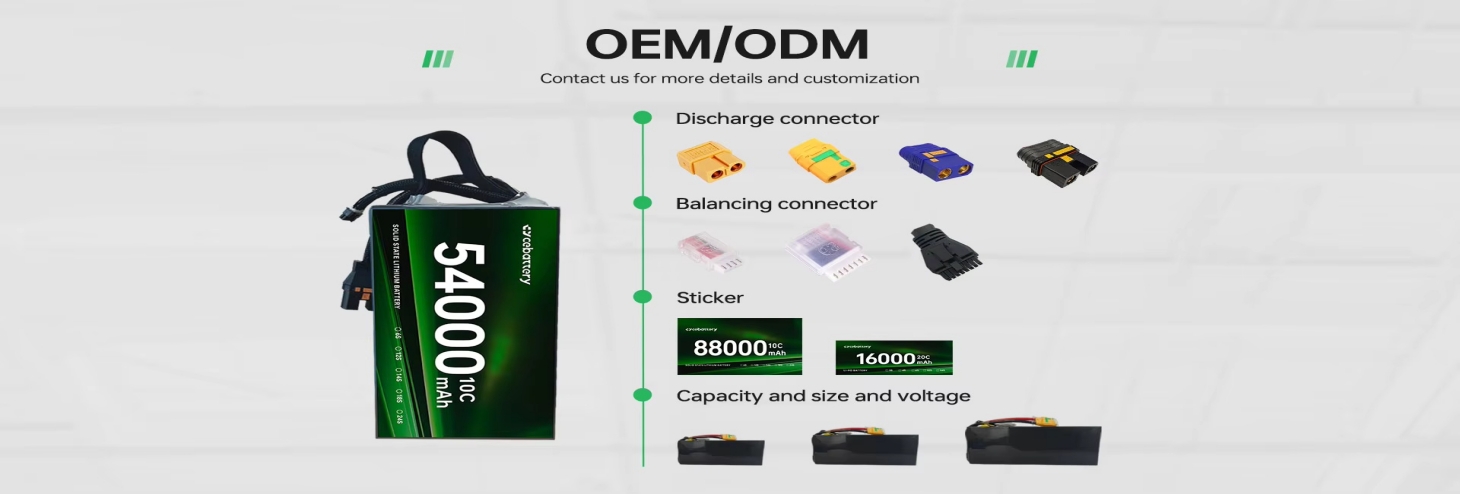
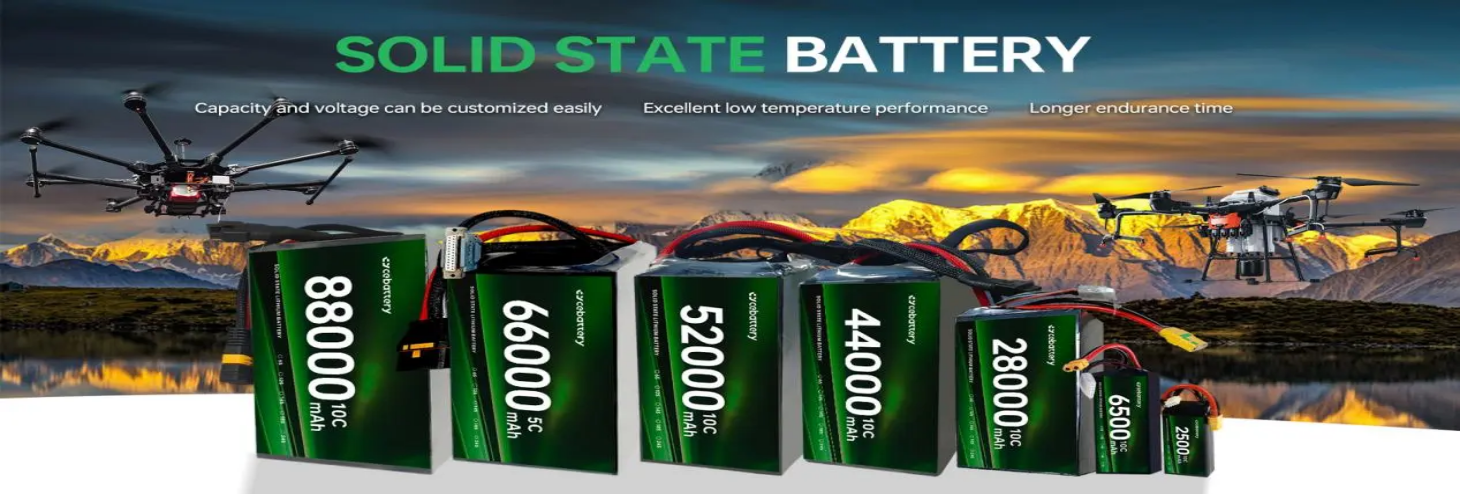
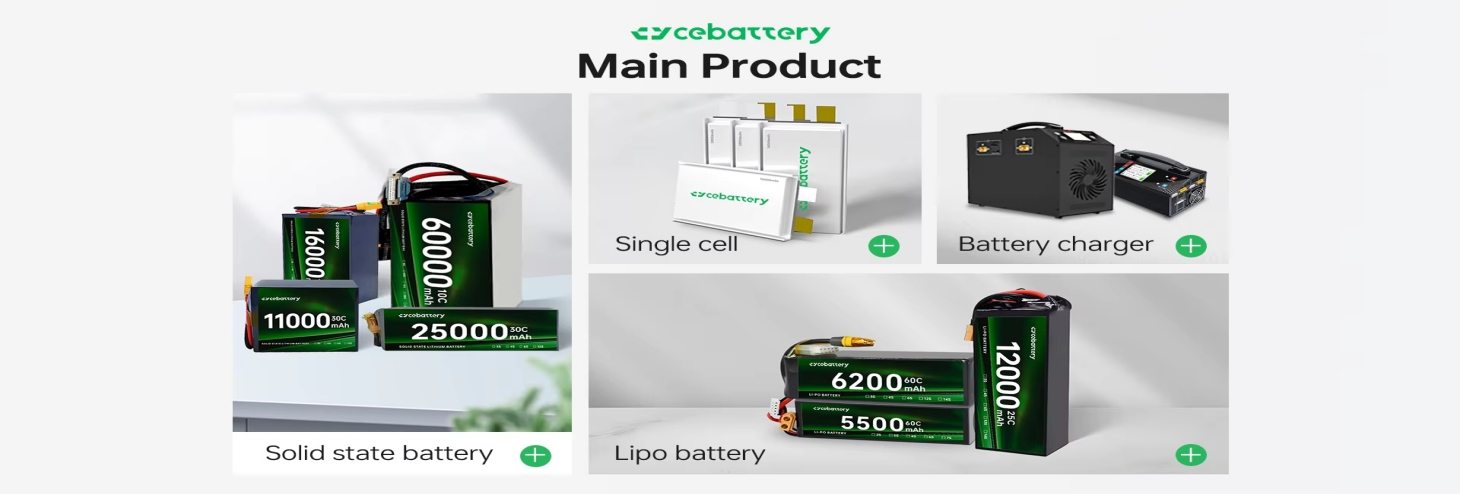
CEBATTERY builds high-performance lithium polymer and solid-state lithium-ion UAV batteries to factory standards that generic suppliers don’t match — matched cell selection, calibrated BMS integration, and production consistency that holds across batches.
The product is mainly applied to unmanned aircraft, large aircraft, RC combat racing cars, high-power electric tools, etc. It offers solid-state batteries, agricultural spraying batteries, battery packs, as well as customized solutions.
The upfront difference in price reflects a real difference in what’s inside the pack. Flying on quality hardware isn’t a luxury. In commercial UAV operations, it’s just sound economics.

- Meet CEBATTERY at the 2026 Shanghai Low-altitude Economy Expo
- What’s the Top High Voltage Battery for Long-Range UAV Missions?
- Solid State vs Lipo Battery—Which Delivers Better UAV Safety and Life Cycle?
- Why Original Factory Batteries Outperform Cheap Generic Options?
- How to Match UAV Power Needs with the Right High Voltage Pack