

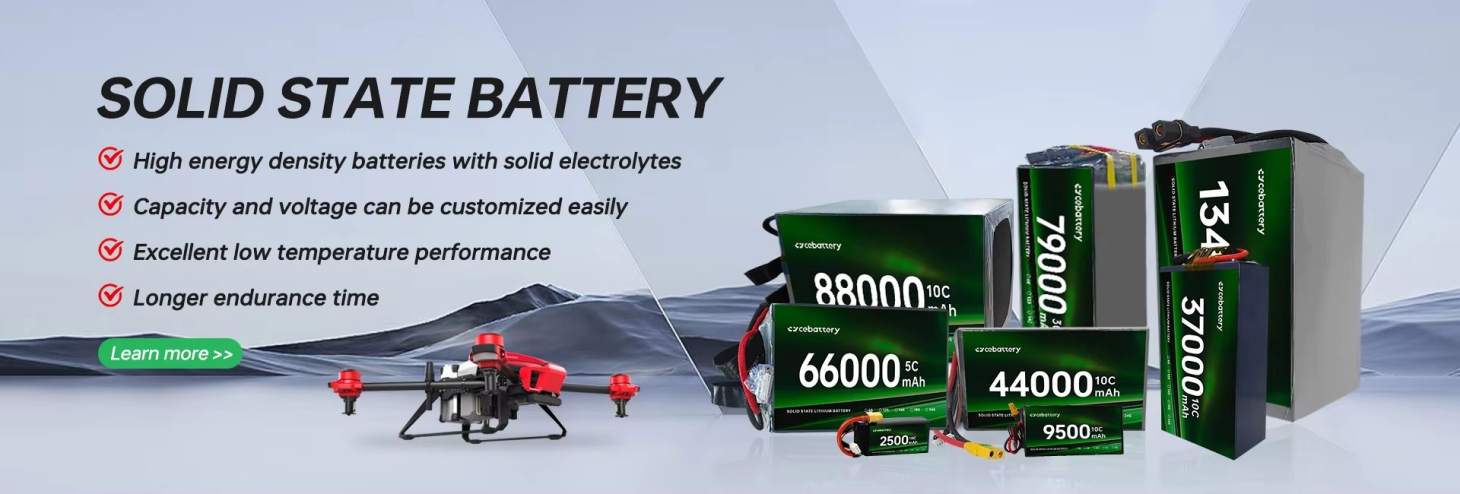
Why Choose Solid State Drone Batteries for Safer Long Missions in 2026?
The drone industry has changed dramatically, and frankly, your battery technology needs to catch up. If you’re still running traditional lithium polymer packs for extended commercial missions, you’re dealing with risks and limitations that solid state drone batteries have already solved.

Here’s why 2026 is the year to make the switch—especially if safety and mission duration actually matter to your operation.
The Safety Problem Nobody Talks About Enough
Let’s be honest about what happens when you push conventional batteries hard. You’ve probably seen the warnings, maybe even experienced a close call yourself. Traditional LiPo cells contain liquid electrolytes that don’t react well to stress, damage, or temperature extremes. When things go wrong, they go wrong fast.
Solid state drone batteries eliminate this fundamental vulnerability. There’s no flammable liquid inside—just solid electrolyte material that stays stable even under conditions that would make a conventional battery dangerous.
For operators flying over populated areas, critical infrastructure, or expensive equipment, this isn’t just a nice feature. It’s the difference between confidently accepting high-value contracts and constantly worrying about liability.
The construction itself handles real-world abuse better too. Vibration from high-performance motors, rough landings, temperature swings during all-day operations—solid state cells maintain their integrity through conditions that gradually degrade traditional batteries. You’re not just buying safety for today’s mission. You’re buying consistent safety across hundreds of flight cycles.
Extended Missions Without the Anxiety
Here’s what actually limits your mission planning right now: battery life uncertainty. You know the official specs, but you also know that real-world performance varies wildly based on temperature, load, and how hard you’ve been using those packs. So you build in massive safety margins, which means you’re not really getting the range you paid for.
Solid state technology changes this calculation completely. The energy density advantage means you’re carrying more usable power in the same physical space. But the real game-changer is consistency. These batteries deliver predictable performance whether you’re flying at dawn in cold weather or midday in summer heat.
For survey operations, that translates to covering more ground per flight. Agricultural monitoring teams can handle larger field sections without swapping batteries mid-mission. And if you’re doing industrial inspections in remote locations, the extended range means fewer risky battery changes in the field.
The fast-charging capability matters more than most people realize too. When you can recharge during a quick equipment check instead of waiting hours, your daily operational capacity basically doubles. That’s not just efficiency—it’s additional revenue from the same equipment investment.
What This Means for Your 2026 Operations
The cost question always comes up, so let’s address it directly. Yes, solid state drone batteries require a higher initial investment than traditional packs. But here’s what you’re actually buying: longer cycle life, reduced replacement frequency, better safety compliance for insurance, and the operational flexibility to take on missions you’d currently decline.

For professional operators, the math works out faster than you’d expect. Calculate what you’re spending annually on battery replacements, add in the downtime costs, and factor in the missions you can’t confidently bid on with current battery limitations. Suddenly that upfront premium looks like a smart business decision.
The regulatory landscape is shifting too. As drone operations expand into more sensitive airspace and applications, safety requirements are tightening. Solid state batteries aren’t just current best practice—they’re likely to become the expected standard for serious commercial work.
Finding the Right Battery Solution
Every drone operation has unique power requirements. Mission profiles, payload weights, environmental conditions, and operational tempo all affect what you actually need from a battery pack. Generic off-the-shelf solutions rarely optimize for your specific use case.
At CEBATTERY, we specialize in customized solid state drone batteries engineered for your exact application scenario. Whether you need maximum endurance for surveying work, rapid charging for quick-turnaround operations, or extreme temperature performance for industrial environments, our technical team designs solutions that match your requirements.
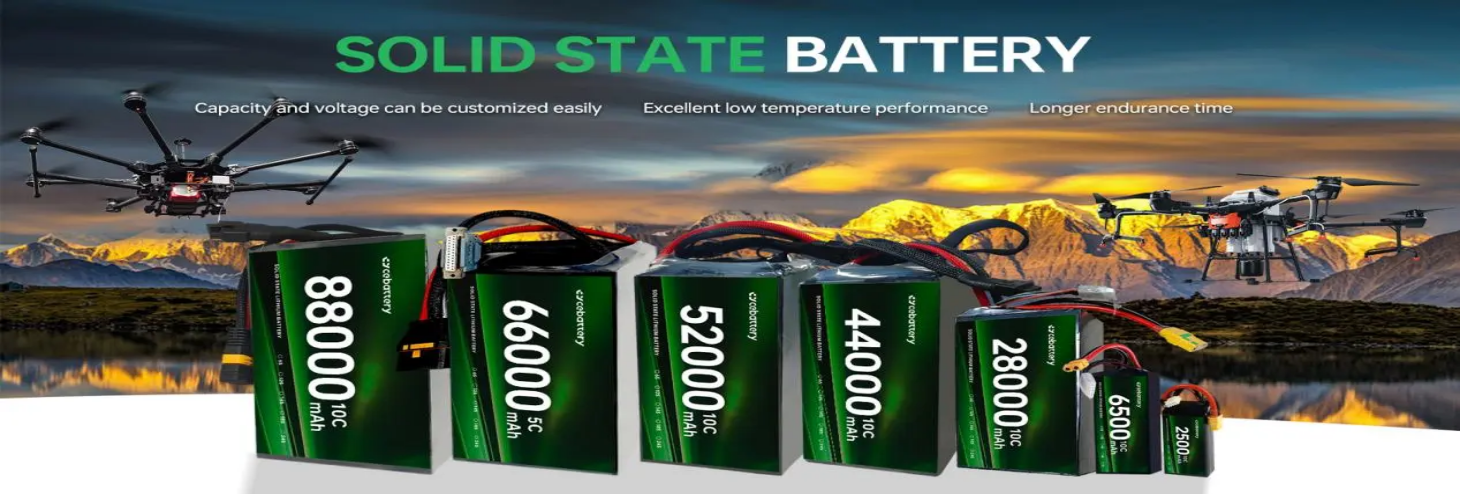
Want to see how solid state technology performs in your actual operating conditions? We provide sample batteries for qualified commercial operators. Contact our engineering team to discuss your mission parameters and discover what’s possible with properly designed solid state drone batteries in 2026.

- How Does a High Energy Solid State Battery Improve FPV Endurance?
- Where Can You Get Original Factory Solid State UAV Batteries in Bulk?
- Why Choose Solid State Drone Batteries for Safer Long Missions in 2026?
- Is a 6S Solid State Battery Pack Worth It for Your Commercial Drone?
- Which Solid State Drone Battery Boosts UAV Flight Time by 40%?