When pilots compare 3S vs 6S LiPo battery for FPV drones, they are really asking one thing: how to get the best mix of power, flight time, and reliability for their flying style.
For drone manufacturers, aerial cinematography teams, industrial and agricultural UAV operators, and serious hobbyists, choosing the right drone lithium batteries is no longer just a hobby decision; it directly affects performance, maintenance cost, and even project safety.
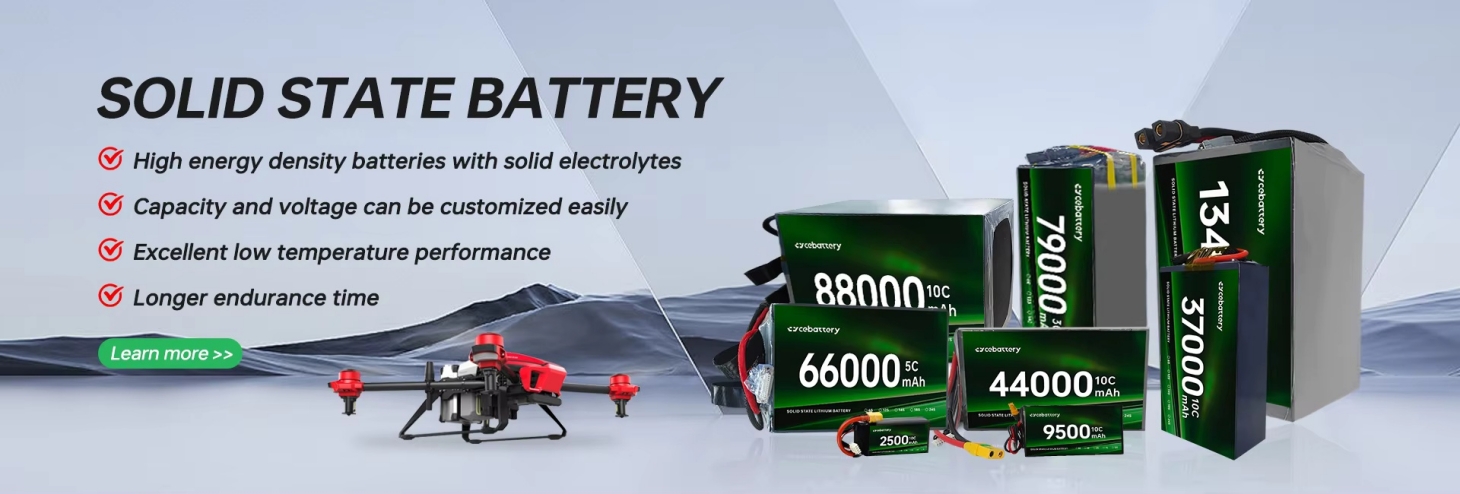
Solid state lithium drone batteries are also entering the conversation, especially for long‑range and commercial platforms, but high‑performance LiPo batteries for drones still dominate FPV builds in 2026.
Below is a straightforward, buyer‑oriented breakdown to help you decide whether 3S vs 6S lipo battery makes more sense for your next FPV drone, and when it might be worth looking at more advanced pack options for your fleet.
How 3S and 6S Change Your FPV Drone
The main difference between 3S vs 6S lipo battery is simple: voltage. A 3S pack gives you lower voltage and typically lower top power, while a 6S pack delivers higher voltage and more punch, with the same current draw. For FPV drones, that translates into a very different flying experience.
For smaller frames, lightweight builds, and beginner‑friendly FPV quads, 3S LiPo batteries are often enough. You get:
Gentler throttle response
3S is easier to control for new pilots and for smooth, cinematic flying. It’s forgiving when you are still learning rates and PID tuning, and it can reduce the stress on your motors and electronics.
Lower initial system cost
ESCs, motors, and powertrains designed around 3S or 4S tend to be more budget‑friendly, which matters if you are building training fleets, school drones, or rental platforms.
Adequate power for micro and indoor drones
For whoops, toothpicks, and smaller freestyle rigs, 3S still delivers plenty of performance without over‑speccing the power system.
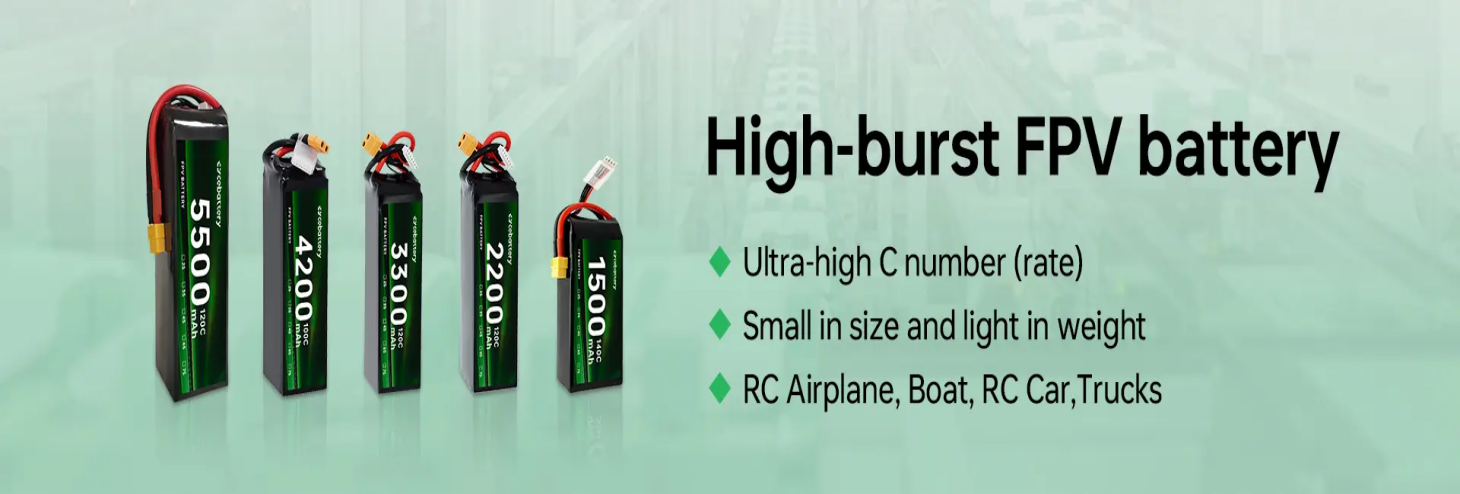
For performance‑focused frames, especially 5‑inch racing and aggressive freestyle builds, 6S LiPo has become the go‑to option. Here is why many pilots and manufacturers move their high‑performance LiPo batteries for drones to 6S:
More power with less current
Higher voltage means you can get the same or greater power at lower current, which can reduce heat and stress on your electronics when the system is designed correctly.
Stronger punch and better authority
With a well‑tuned 6S setup, the quad feels more responsive, holds power better in corners, and recovers faster from dives and split‑S moves.
Tighter voltage sag control
A good 6S pack shows less sag under hard throttle, which keeps your FPV drone more consistent throughout the pack, especially in racing heats or demanding freestyle lines.
In short, 3S is usually “enough” for small, simple, or training drones, while 6S tends to be “right” for serious FPV performance and heavier payloads—provided the rest of the system is designed around it.
Beyond 3S vs 6S lipo battery: What Matters for Real‑World UAV Work
If you are a drone manufacturer or operate a fleet for mapping, inspection, agriculture, or aerial video, the 3S vs 6S question is only part of the story. You need drone lithium batteries that combine endurance, fast charging, safety, and reliability in harsh conditions. That is where pack quality and chemistry matter more than just voltage.
High‑performance LiPo batteries for drones are still the backbone of many FPV and commercial platforms because they can deliver:
High discharge rates for dynamic flying and heavy payloads
Well‑designed LiPo packs provide the burst current needed for racing, precision positioning, or short, intense climbs without excessive sag.
Fast charge capability within safe parameters
For field operations and tight shooting schedules, being able to safely fast‑charge batteries between missions can keep your crew productive and reduce the number of packs you need to carry.
Robust performance in varied environments
From hot summer fields to cold early‑morning shoots, good LiPo packs are built to stay stable, with minimal swelling and predictable behavior over many cycles when they’re used and stored correctly.
At the same time, solid state lithium drone batteries are becoming increasingly attractive for higher‑end and safety‑critical UAVs. Instead of a liquid electrolyte, they use a solid electrolyte structure, which can offer:
Enhanced safety margins
Lower risk of leakage and thermal runaway is a major advantage if your UAV flies around people, infrastructure, or valuable equipment. This is especially relevant for inspection drones, delivery platforms, and enterprise fleets under tighter regulations.
Higher energy density potential
Where long flight time is more important than peak burst power—for example, mapping, survey, or long‑range monitoring—solid state lithium drone batteries can help you extend mission duration without significantly increasing weight.
More stable long‑term performance
For customers flying almost every day, predictable degradation and longer cycle life can reduce downtime and total cost of ownership.
So while 3S vs 6S lipo battery defines your voltage platform, the decision between traditional LiPo and newer solid state options defines how far you can push endurance, safety, and long‑term reliability in 2026.
How to Decide What’s Best for Your FPV Drone in 2026
To choose between 3S vs 6S lipo battery—and between standard LiPo and more advanced drone lithium batteries—it helps to start from your actual use case instead of just chasing numbers on a label. Ask a few practical questions:
Who is flying the drone?
If your main audience is beginners, students, or casual hobbyists, a well‑tuned 3S or 4S platform with reliable LiPo packs is often the most sensible choice. It keeps cost and risk under control while still delivering a fun flying experience.
What is the mission profile?
For 5‑inch FPV racing, freestyle videos, or high‑agility flights, a 6S setup with high‑performance LiPo batteries for drones makes a lot of sense. For long‑range and commercial UAVs, you may benefit from customized packs or exploring solid state solutions.
What are your safety and compliance requirements?
If you work with enterprise customers, critical infrastructure, or regulated sectors, safety and stability might be more important than absolute peak punch. In these cases, carefully engineered LiPo packs with strong protection systems—or solid state lithium drone batteries for specific platforms—can be the better long‑term choice.
How important is scalability?
Drone manufacturers and fleet operators need consistent performance across hundreds of packs, not just one or two “lucky” batteries. That is where working directly with a battery manufacturer for custom 3S, 4S, or 6S packs, and even tailored solid state UAV battery solutions, can significantly improve reliability and customer satisfaction.
From a pure FPV perspective in 2026, 6S LiPo is usually the better fit for high‑performance builds, while 3S remains a smart option for small, lightweight, or budget‑oriented drones. From a broader UAV business perspective, the “best” choice is the one aligned with your pilot skill level, mission needs, and safety requirements—not just the highest voltage you can buy.
If you are planning a new airframe, upgrading an existing FPV product line, or looking at solid state lithium drone batteries for your next commercial platform, it is worth turning these questions into a concrete test plan. Share your frame size, motor KV, target flight time, and operating environment with a dedicated battery partner, and you can quickly narrow down whether optimized 3S packs, high‑performance 6S LiPo batteries, or customized solid state solutions will serve you best.
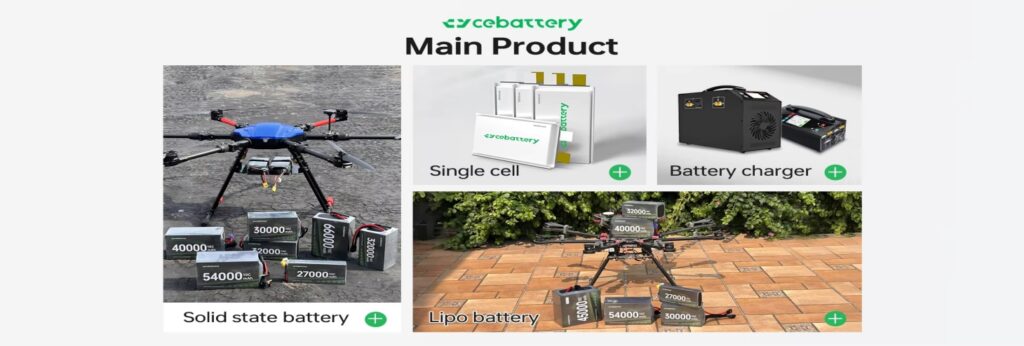
Our team specializes in designing and manufacturing drone lithium batteries—from performance‑oriented FPV LiPo packs to custom solid state lithium drone batteries for demanding UAV applications. If you would like to compare 3S vs 6S lipo battery options on your own frames, or explore tailored packs for industrial or agricultural drones, you are welcome to reach out, request samples, and discuss a specification that matches your real‑world missions. A short consultation now can help your drones fly faster, longer, and safer throughout 2026 and beyond.