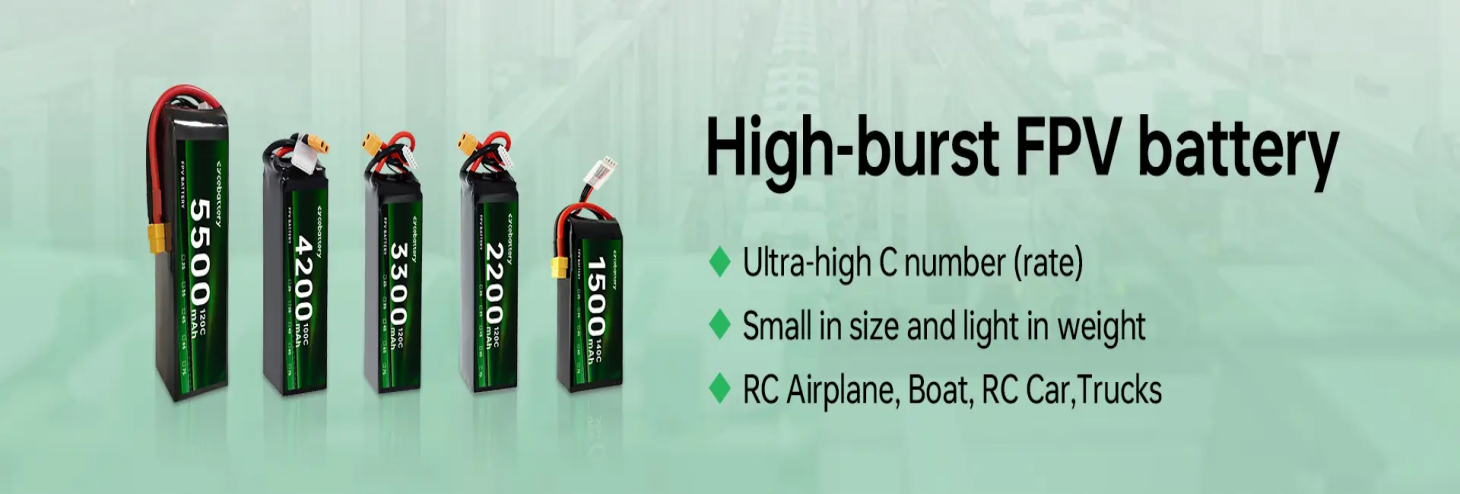
If you fly FPV, you already know this: a 6S LiPo FPV drone battery can make or break your race day.
The right pack gives you cleaner throttle response, stronger punch-outs, and more stable voltage under full throttle, which is exactly where “30% more racing speed” comes from in real life – not just top speed, but how fast you get there lap after lap. For drone manufacturers, aerial filming teams, industrial inspection fleets, and serious hobby pilots, choosing the right high‑performance LiPo batteries for drones is no longer a small detail; it is a major performance decision tied directly to flight time, reliability, and operating cost.
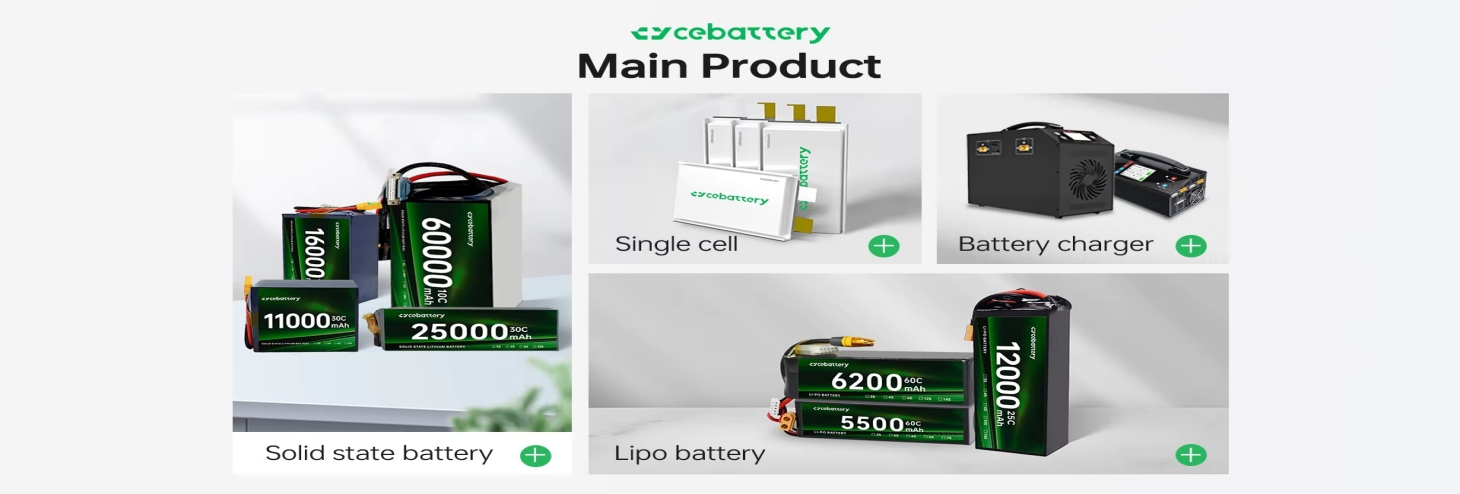
Below is a practical, no‑nonsense buyer’s guide to help you understand what actually makes one 6S LiPo FPV drone battery faster than another, and when it might be time to look at solid state lithium drone batteries for specific UAV projects. The goal is simple: help you pick packs that genuinely move the needle, not just look good on a spec sheet.

What Really Makes a 6S LiPo FPV Drone Battery “Faster”?
When pilots talk about “30% more racing speed,” they are rarely talking about a magic new chemistry. They are talking about a better‑matched 6S LiPo FPV drone battery that keeps voltage higher and more stable through the whole pack. That “full stick” feeling at the end of the race, instead of sag and mushy throttle, is what wins heats.
For most FPV racers and freestyle pilots, three things matter more than anything else:
Voltage and cell count
6S has become the standard for many 5‑inch racing and freestyle rigs because it delivers more power with lower current compared to 4S, which means cooler electronics and more efficient power delivery when tuned correctly.
C‑rating that actually holds under load
A realistic discharge rating helps the pack hold voltage when you punch the throttle hard. If your drone lithium batteries sag too much, your quad feels slow even if the advertised C‑rating is high. What you feel as “more speed” is usually “less sag.”
Weight‑to‑capacity balance
Higher capacity is not always faster. A heavy 6S pack can turn your quad into a brick. The sweet spot is a battery that delivers enough mAh for your racing format or mission profile without killing your power‑to‑weight ratio.
For manufacturers and fleet operators, the same rules apply, just on a larger scale: you need consistent, repeatable performance across batches, not one “hero pack” and nine mediocre ones. That is where high‑performance LiPo batteries for drones, built on tight quality control and matched cells, become a real competitive advantage.

How to Choose High‑Performance LiPo Batteries for Drones?
Whether you are building FPV racers, mapping drones, or agricultural UAVs, the selection process should be systematic, not just “grab the highest C‑rating you can find.” A good 6S LiPo FPV drone battery shares a few common traits that directly translate into better speed, longer usable flight time, and safer operation.
Match voltage and capacity to your frame and motors
For 5‑inch FPV racing drones, 6S packs in the 1000–1300 mAh range are a popular balance between power and agility. Go too big on capacity and the drone feels heavy and slow in corners; go too small and voltage drops too quickly, hurting both lap times and battery life.
Look beyond the printed C‑rating
Serious pilots and OEMs often care more about internal resistance and real‑world testing than the number on the label. If you want a pack that feels “30% faster,” look for stable voltage curves at high current and consistent performance over many cycles, not just peak burst claims.
Prioritize thermal behavior and safety
High‑performance LiPo batteries for drones should handle repeated full‑throttle pulls without getting dangerously hot. Good pack design, high‑quality separators, and accurate cell matching reduce swelling, extend cycle life, and lower your risk of failure during a race or mission.
Consider your operating environment
If your drones fly in hot summer fields, cold mountain regions, or industrial sites with long duty cycles, you need chemistry and construction tuned for those extremes. A well‑built drone lithium battery should perform reliably across a wide temperature range and under frequent charge/discharge cycles.
For OEM drone manufacturers and enterprise UAV operators, working directly with a battery manufacturer opens the door to customized packs: specific wire gauges, connectors, discharge leads, and form factors that fit your frames and powertrain perfectly, rather than forcing your design to fit a generic retail pack.
Where Solid State Lithium Drone Batteries Fit In?
While 6S LiPo packs remain the workhorse for FPV racing and many performance‑oriented builds, solid state lithium drone batteries are rapidly gaining attention in higher‑end commercial and industrial UAV projects. They are not a simple drop‑in replacement for every FPV quad yet, but they can be a strong option in scenarios where safety, energy density, and long‑term reliability matter more than raw burst power.
Solid state lithium drone batteries replace the flammable liquid electrolyte found in traditional LiPo packs with a solid electrolyte. This structure can offer several practical benefits for UAV use:
Improved safety
The solid electrolyte reduces the risk of leakage and thermal runaway, which matters a lot when your aircraft is flying over people, infrastructure, or valuable equipment. For inspection, mapping, or delivery drones, this safety margin is extremely important.
Higher energy density potential
In carefully engineered designs, solid state lithium drone batteries can offer higher energy per unit volume or weight compared with some conventional LiPo options. That can translate into longer missions, fewer landings, and higher productivity for commercial fleets.
Better stability over long life cycles
For operators who run many charge/discharge cycles per week, stability and predictable aging are crucial. A well‑designed solid state pack can help keep performance more stable across its service life, reducing downtime and replacement costs.
In short, if you are chasing absolute peak punch for FPV racing today, a top‑tier 6S LiPo FPV drone battery will still likely be your first choice. If you are designing long‑range survey drones, high‑end aerial cinematography platforms, or mission‑critical UAVs where safety and uptime come first, evaluating solid state lithium drone batteries with your battery partner is worth your time.
Ready to Test a Faster 6S Setup on Your Drone?
If you want to know which 6S LiPo FPV drone battery really gives you that “30% more racing speed” feel on your specific build, the most reliable way is to test well‑matched packs side by side on your own frame, motors, and props.
On the manufacturing side, that means working with a supplier who can provide consistent high‑performance LiPo batteries for drones, not just generic packs with pretty labels. On the operator side, it means choosing drone lithium batteries that are designed around your real use case, whether that’s FPV racing, commercial inspection, agriculture, or creative aerial work.
As a dedicated drone battery manufacturer, our team can help you spec and customize both 6S LiPo FPV packs and solid state lithium drone batteries around your target weight, flight time, discharge profile, and safety requirements.
If you are planning a new airframe, upgrading an existing fleet, or simply want to compare sample packs on your current drones, you are welcome to reach out, share your setup and mission profile, and request tailored samples for testing. A short technical conversation now can help you build faster, safer, and more profitable UAV projects over the long term.