

What’s the Difference Between Solid State and Lipo Drone Batteries?
Solid state and LiPo drone batteries use different internal materials, and that changes their energy density, safety, lifespan, cost, and how they feel in real flying. Solid state packs are emerging, high‑performance options, while LiPo batteries are the current standard for most consumer and FPV drones.
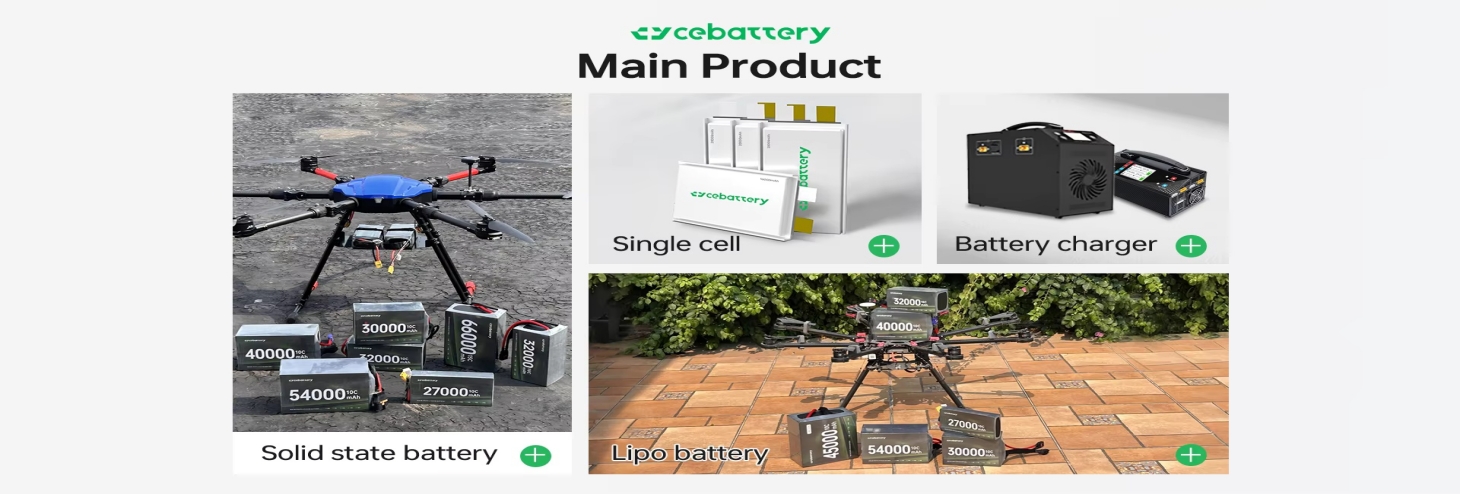
What each battery type is?
LiPo drone battery (lithium‑polymer)
Uses liquid or gel‑like polymer electrolyte in a flexible pouch cell.
Very common in consumer, FPV, and hobby drones because they are light, cheap, and can deliver high bursts of power.
Solid state drone battery
Uses solid electrodes and a solid electrolyte instead of liquid or gel.
Designed to offer higher energy density, better safety, and a longer cycle life than conventional LiPo packs, but still early in mass adoption for drones.
Solid state vs LiPo at a glance
Aspect Solid state drone battery LiPo drone battery
Core material Solid electrolyte, solid electrodes. Polymer‑based electrolyte in pouch cells.
Energy density & flight time Higher energy density, can deliver more Wh/kg and longer flight time for the same weight. Lower energy density; good but usually shorter flight time vs same‑weight solid state.
Safety More resistant to fire, leakage, and thermal runaway; safer under puncture or high temperature. Generally safe if handled well, but more prone to swelling, fire, or venting if over‑charged, damaged, or shorted.
Cycle life Often rated for many more charge cycles and slower capacity fade. Shorter cycle life; capacity drops faster with aggressive use or poor care.
Power delivery Good power with improving discharge rates; strong for endurance missions. Excellent burst current and high “C” rates; ideal for racing, acro, or power‑hungry moves.
Temperature behavior Works better across wider temperature ranges (cold and hot) with more stable performance. Sensitive to heat and cold; performance drops in winter and degradation accelerates in high heat.
Cost & availability Higher cost, limited suppliers; mainly in industrial, commercial, or test platforms today. Affordable, widely available, in almost all consumer and FPV drones.
How the chemistry changes real drone performance
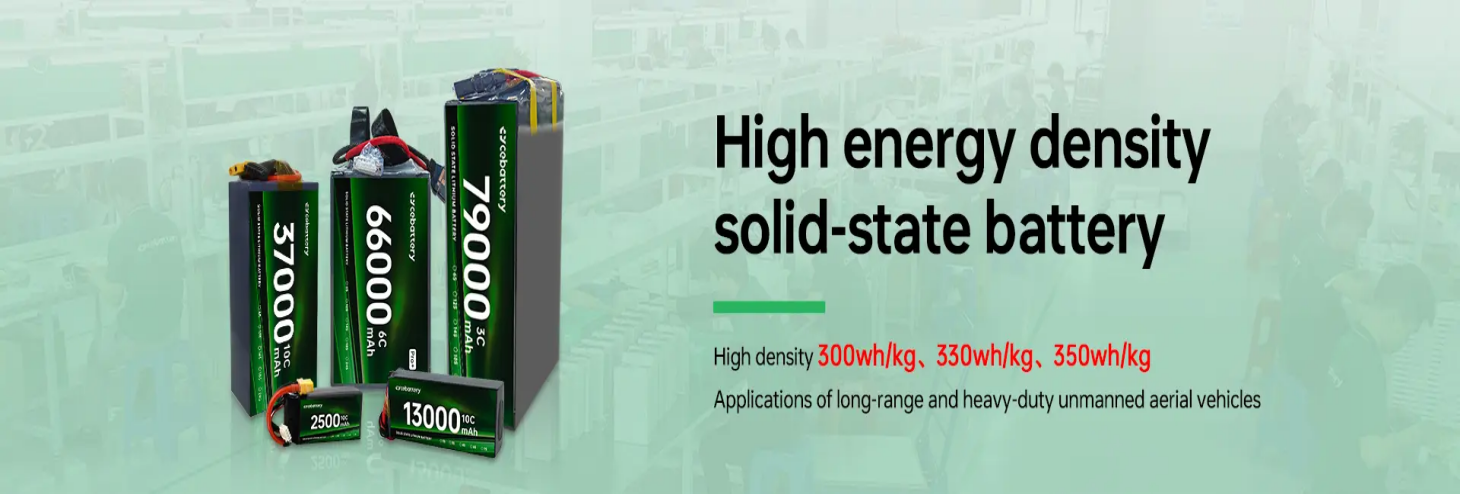
From a pilot’s point of view, energy density is the big difference: solid state drone batteries can pack more energy into the same weight, which can mean noticeably longer flights, fewer battery swaps, and better payload flexibility on the same airframe. LiPo batteries focus on high discharge rates and instant power delivery, which is why FPV and racing pilots still rely on them for sharp throttle response and aggressive maneuvers.
Solid state and LiPo drone batteries also tend to keep performance more consistent when the weather is very cold or very hot, something that is critical for mapping, inspection, or delivery drones that must fly predictable routes all year. LiPo batteries, by contrast, can lose performance quickly in winter and degrade faster when they are often run hot or stored fully charged in warm environments.
Safety, lifespan, and maintenance
Solid state drone batteries are designed to be inherently safer because the solid electrolyte is less likely to leak, gas, or ignite, even under abuse or puncture. This lower risk profile, combined with improved resistance to high temperature and mechanical damage, makes them attractive for commercial fleets, critical missions, and operations near people or infrastructure.
In terms of lifespan, solid state packs generally promise more charge‑discharge cycles before capacity noticeably drops, which helps lower long‑term cost per flight even if the upfront price is higher. LiPo batteries usually offer fewer cycles, are more vulnerable to swelling, and demand strict charging, storage, and handling routines to stay safe and reliable. Pilots need to monitor LiPo pack voltage, avoid deep discharge, and store them at partial charge to prevent early degradation.

Which battery is better for your drone?
Choosing between solid state and LiPo drone batteries comes down to what matters more for your use case: endurance and safety, or raw power and cost.
Pick solid state if:
You run long‑range, inspection, mapping, or delivery missions where maximum flight time, reliability, and safety are critical.
You are ready to invest more upfront for better energy density, temperature tolerance, and cycle life.
Stick with LiPo if:
You fly FPV, freestyle, racing, or other high‑thrust applications where punchy throttle response matters more than absolute endurance.
You want widely available, lower‑cost packs with proven compatibility across many drone platforms.
For most pilots today, LiPo drone batteries remain the practical default, while solid state drone batteries are emerging as the premium option for next‑generation endurance and safety‑focused drones.