

What Custom High Voltage Battery Works Best for Heavy-Lift Drones?
Heavy-lift drones don’t mess around. You’re hauling cinema cameras, survey equipment, or delivery payloads that cost more than the drone itself. The battery powering that operation better be bulletproof.
I’ve been flying heavy-lift platforms for commercial work since 2023.
After dropping a $15,000 camera rig due to battery failure on my second job, I got serious about understanding what actually works for high-demand applications.
The answer isn’t as simple as “buy the biggest battery you can find.”
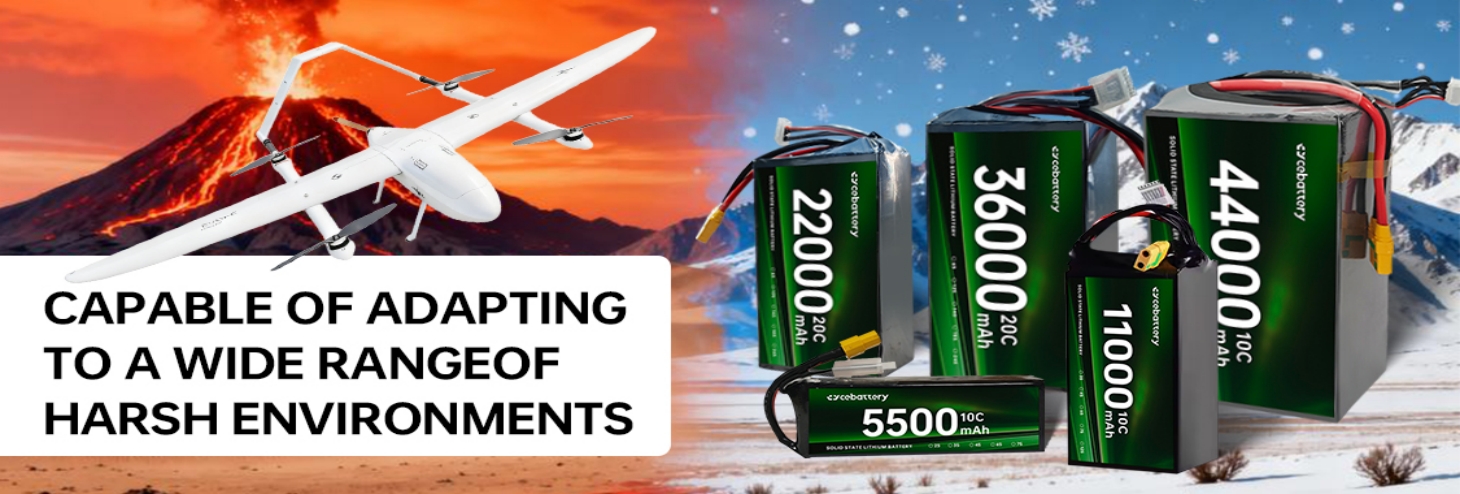
Why Heavy-Lift Drones Demands Are Different?
Standard drone batteries are designed for consumer quads doing basic photography or recreational flying. Heavy-lift drones operations push power systems to their absolute limits.
You’re pulling massive current continuously, not just during brief punch-outs. My X8 setup draws 180-220 amps during hover with a full payload. That kind of sustained load destroys batteries designed for lighter duty cycles.
Voltage sag becomes critical when you’re carrying expensive equipment. A standard battery might sag from 25.2V to 20V under heavy load. That voltage drop reduces motor efficiency right when you need maximum thrust to maintain altitude safely.
Temperature management matters way more too. High current draw generates serious heat. Cheap batteries overheat and lose capacity fast. I’ve seen budget packs hit 60°C during normal operation—that’s dangerous territory.
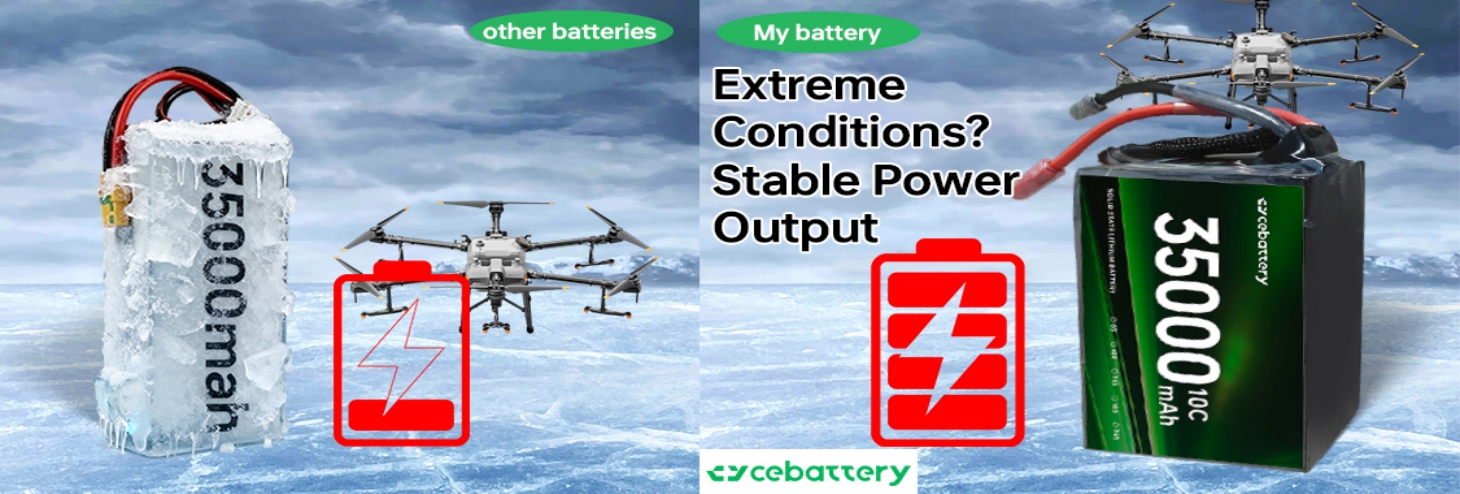
The High Voltage Advantage for Lifting
Custom high voltage batteries changed the game for heavy-lift applications. Going from standard 6S (25.2V) to HV 6S (25.5V) doesn’t sound like much, but the benefits stack up fast.
Higher voltage means lower current draw for the same power output. My motors deliver the same thrust at 25.5V with about 8% less current than at 25.2V. Less current means less heat, less stress on components, and better efficiency overall.
Voltage sag improves dramatically. HV batteries maintain higher voltage under load. Instead of dropping to 20V during heavy lifting, my HV packs stay above 21.5V. That extra voltage keeps motors operating efficiently throughout the entire flight.
Energy density per weight increases slightly. You get a bit more usable energy from HV chemistry without adding weight. For heavy-lift where every gram counts toward payload capacity, that matters.
The performance difference becomes obvious when you’re flying at maximum all-up weight. Standard batteries feel like they’re struggling. HV packs handle the same load with headroom to spare.
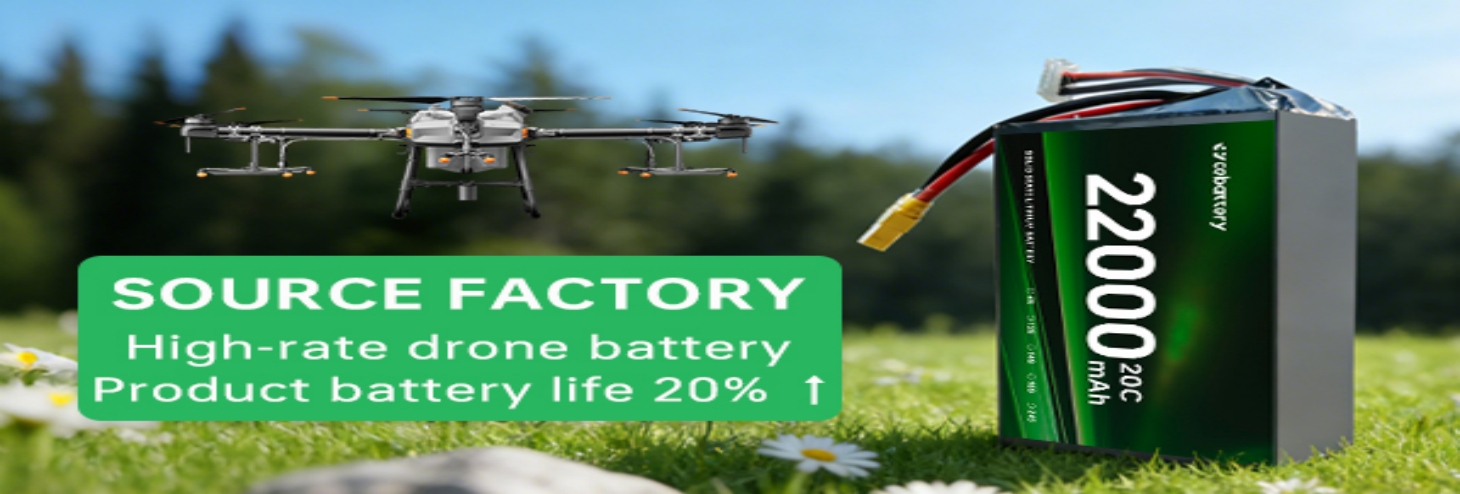
Custom Configurations That Actually Work
Off-the-shelf batteries rarely fit heavy-lift requirements. You need specific capacity, discharge rates, and physical dimensions that generic products don’t offer.
Cell selection drives everything. High-quality cells with proven track records under demanding conditions aren’t negotiable. I specify cells with documented performance data showing cycle life under high discharge rates.
Capacity needs to match mission profiles. I run 12000mAh to 16000mAh packs depending on payload and flight time requirements. Going bigger doesn’t always help—you hit diminishing returns where battery weight cuts into payload capacity.
Discharge rates need real-world safety margins. If your platform pulls 200 amps max, don’t spec a battery rated for exactly 200 amps continuous. I aim for 30-40% overhead minimum. Batteries perform better and last longer when not maxed out constantly.
Physical packaging matters more than people realize. Custom form factors let you optimize weight distribution and fit batteries exactly where you need them. I’ve used split-pack configurations that balance better than single large packs.

Reliability Features Worth Paying For
Heavy-lift operations can’t afford battery failures. The cost of a crash—in equipment damage, injury risk, and business reputation—makes reliability the top priority.
Individual cell monitoring through smart BMS systems catches problems early. I want to see each cell’s voltage and temperature in real-time. Imbalanced cells or hot spots mean immediate landing.
Robust construction handles the vibration and mechanical stress heavy platforms generate. Cheap battery packs with thin wrapping and weak solder joints fail under constant vibration.
Proven safety certifications aren’t just paperwork. UN38.3 testing for transport, proper overcurrent protection, and thermal management all matter when you’re flying over people or property.

What Actually Kills Heavy-Lift Batteries?
The biggest killers are over-discharge and heat cycling. Landing at low voltage damages cells permanently. I set conservative voltage alarms and land with reserve capacity every single flight.
Heat cycling from repeated high-current operations degrades cells faster than charge cycles alone. Letting batteries cool completely between flights extends lifespan noticeably.
Physical damage from rough handling or crashes obviously destroys batteries, but so does improper storage. Heavy-lift batteries need careful storage at proper voltages in controlled temperatures.
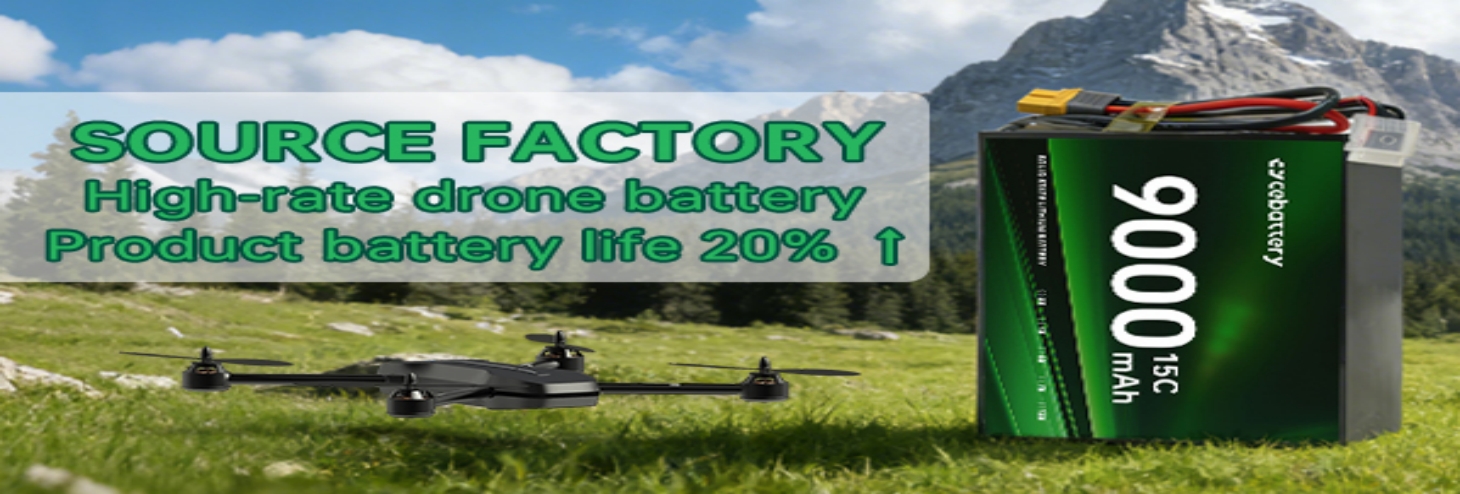
Making the Right Choice
The best custom high voltage battery for heavy-lift drones matches your specific platform’s power requirements with appropriate safety margins. Quality cells, proper capacity for your missions, robust construction, and reliable monitoring systems matter more than peak specs.
Don’t cheap out on the component keeping your expensive equipment airborne. One battery failure costs more than years of premium battery purchases.