
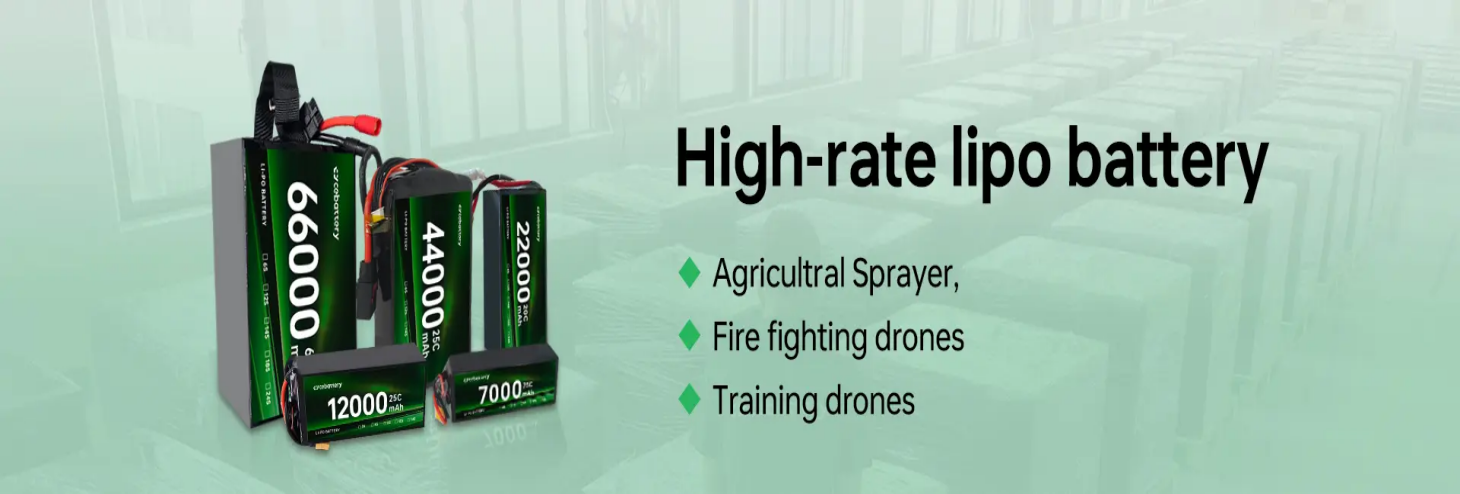
Is a Li Polymer Drone Battery More Durable Than Standard Lithium Ones 1?
When you’re shopping for drone batteries, the durability question matters more than almost anything else. Nobody wants to replace expensive battery packs every few months. So is a li polymer drone battery actually more durable than standard lithium batteries, or is that just marketing talk?
The answer is more nuanced than most people realize, and it depends entirely on what you mean by “durable” and how you’re planning to use your drone.
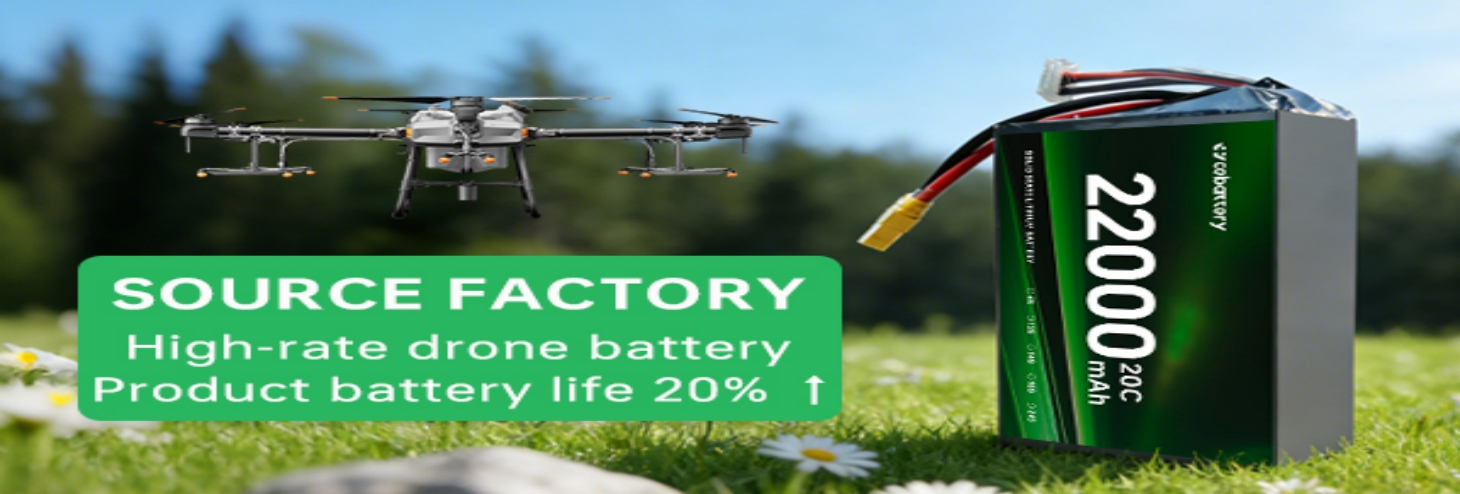
Understanding What We’re Actually Comparing
First, let’s clear up some confusion. When people say “standard lithium batteries,” they usually mean cylindrical lithium-ion cells—the kind you’d find in laptops or power tools. These use liquid electrolyte and come in rigid metal casings. They’re robust in the sense that you can drop them without immediate damage.
A li polymer drone battery uses different chemistry with a gel or polymer electrolyte instead of liquid. The cells come in flexible foil pouches rather than rigid casings. This construction allows for custom shapes and lighter weight, which is why they’ve become the standard for drones. But does this design make them more or less durable?
The answer depends on what kind of durability you’re measuring. Physical impact resistance? Cycle life? Performance degradation over time? Temperature tolerance? Each chemistry has different strengths and weaknesses.
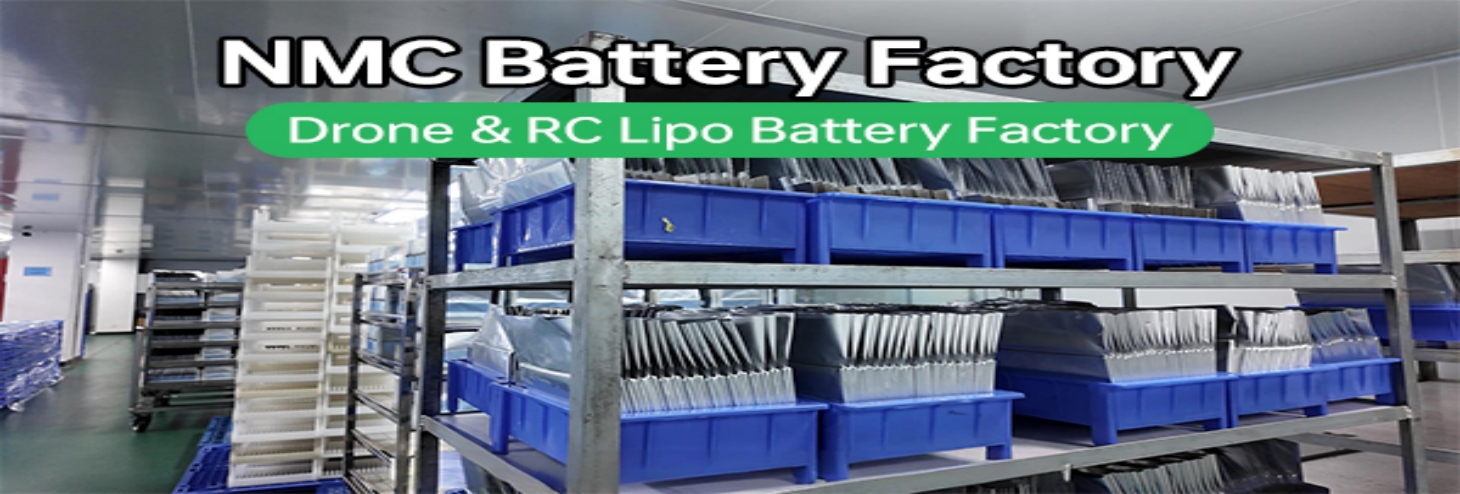
Where Li Polymer Batteries Actually Win
Cycle life is where quality li polymer drone batteries show real advantages. A well-manufactured LiPo pack designed for drone use can handle 200-300 cycles before significant capacity loss, sometimes more if you’re careful with charging practices. Standard lithium-ion cells might match this in ideal conditions, but drone applications aren’t ideal conditions.
Drones subject batteries to high discharge rates, vibration, and temperature fluctuations that standard lithium-ion cells weren’t designed to handle. A li polymer drone battery is engineered specifically for these stresses. The chemistry tolerates high current draws better. The construction handles vibration without internal damage. The entire design accounts for real-world drone operating conditions.
Weight efficiency matters for durability too, in a roundabout way. Because LiPo batteries deliver more capacity per gram, you’re not overloading your drone’s power system to get adequate flight time. Less stress on the battery during operation means slower degradation over time. Your battery lasts longer because it’s not constantly operating at its absolute limits.
The flexible pouch construction actually helps durability in certain crash scenarios. When you slam a drone into the ground, a rigid battery case can crack or rupture at stress points. A LiPo pouch can deform and absorb some impact without immediately failing. Obviously neither battery type enjoys crashes, but the failure modes differ.
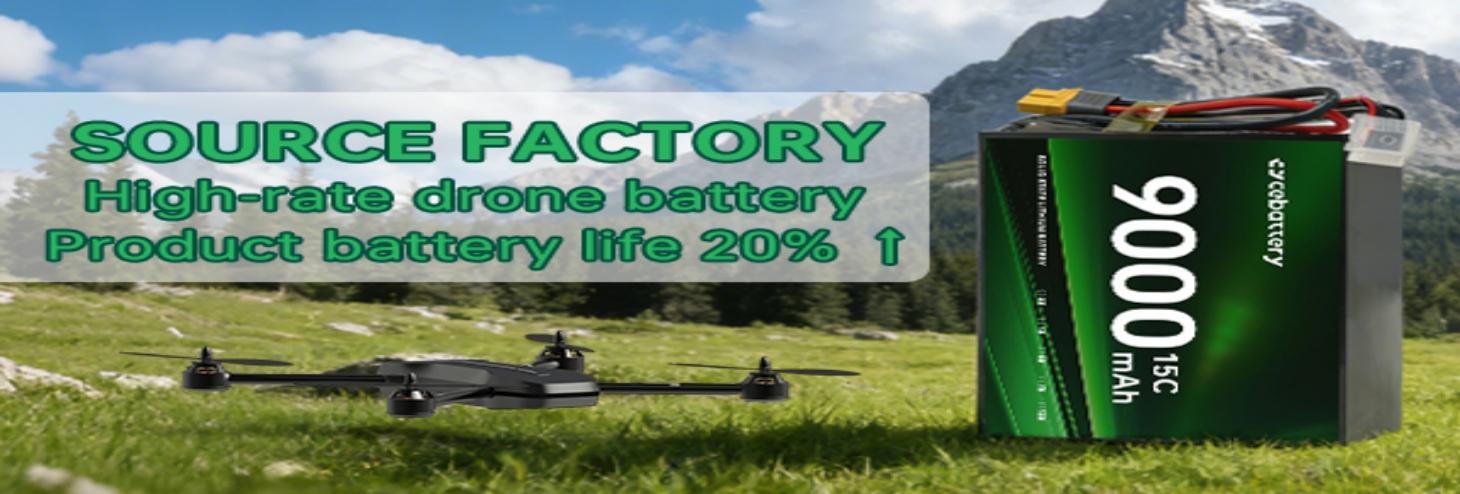
Where Standard Lithium Batteries Have Advantages
Physical puncture resistance is one area where rigid metal casings win. Poke a standard lithium-ion cell with something sharp and the casing might protect the internal chemistry. Puncture a li polymer drone battery and you’ve got a serious problem. The flexible pouch offers zero puncture protection.
This matters for certain industrial applications where debris or sharp objects might contact the battery. For most recreational and commercial drone use, it’s less relevant because your battery is mounted inside the frame with some protection. But it’s worth considering for specialized applications.
Standard lithium-ion cells also handle neglect slightly better. Leave a LiPo battery at full charge for six months and you’ll see noticeable degradation. Standard cells are somewhat more forgiving of poor storage practices, though they’re not immune to damage from neglect either.

What Really Determines Battery Durability
Here’s what actually makes the biggest difference in drone battery lifespan: quality manufacturing, proper usage, and maintenance practices. A premium li polymer drone battery from a reputable manufacturer will vastly outlast a cheap one, regardless of chemistry advantages.
Charge rates matter enormously. Fast-charging batteries regularly will kill them faster than the chemistry differences between LiPo and standard lithium-ion.
Choosing Based on Your Actual Needs

- Meet CEBATTERY at the 2026 Shanghai Low-altitude Economy Expo
- What’s the Top High Voltage Battery for Long-Range UAV Missions?
- Solid State vs Lipo Battery—Which Delivers Better UAV Safety and Life Cycle?
- Why Original Factory Batteries Outperform Cheap Generic Options?
- How to Match UAV Power Needs with the Right High Voltage Pack