
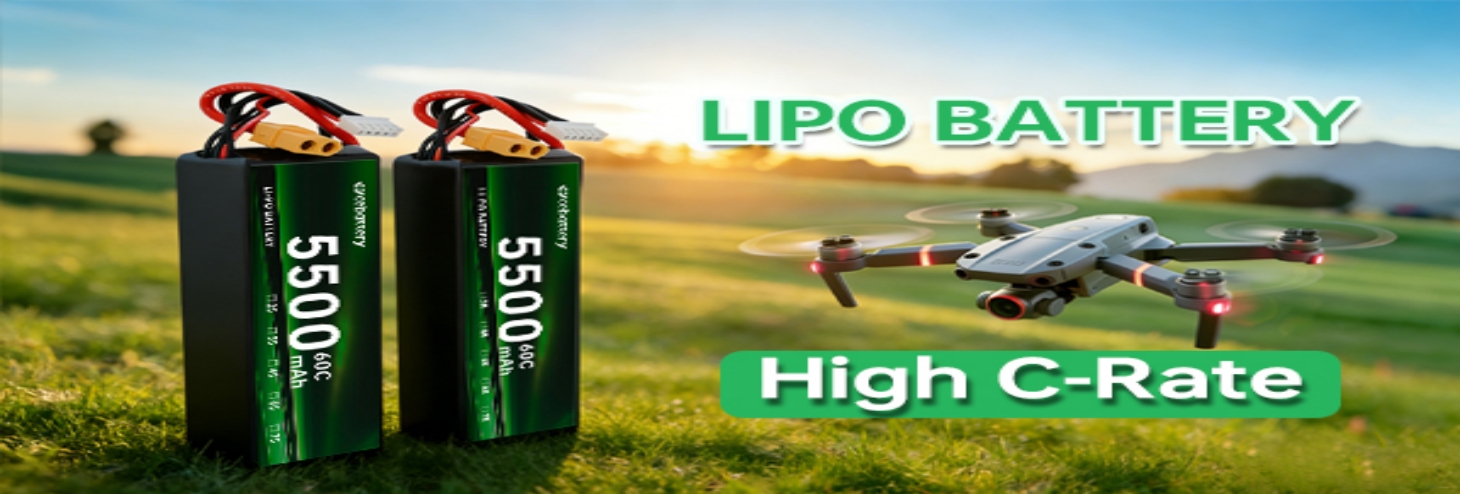
FPV Pilots Upgrade from 4S to 6S Lipo Batteries for Speed.
In the world of FPV (First-Person View) racing and freestyle, the transition from 4S to 6S power is more than just a trend—it’s a performance revolution. If you’ve spent any time in the pits or on drone forums lately, you’ve likely heard the roar of high-voltage setups. But why do FPV pilots upgrade from 4S to 6S Lipo batteries for speed, and is the investment actually worth it for your specific flight style?
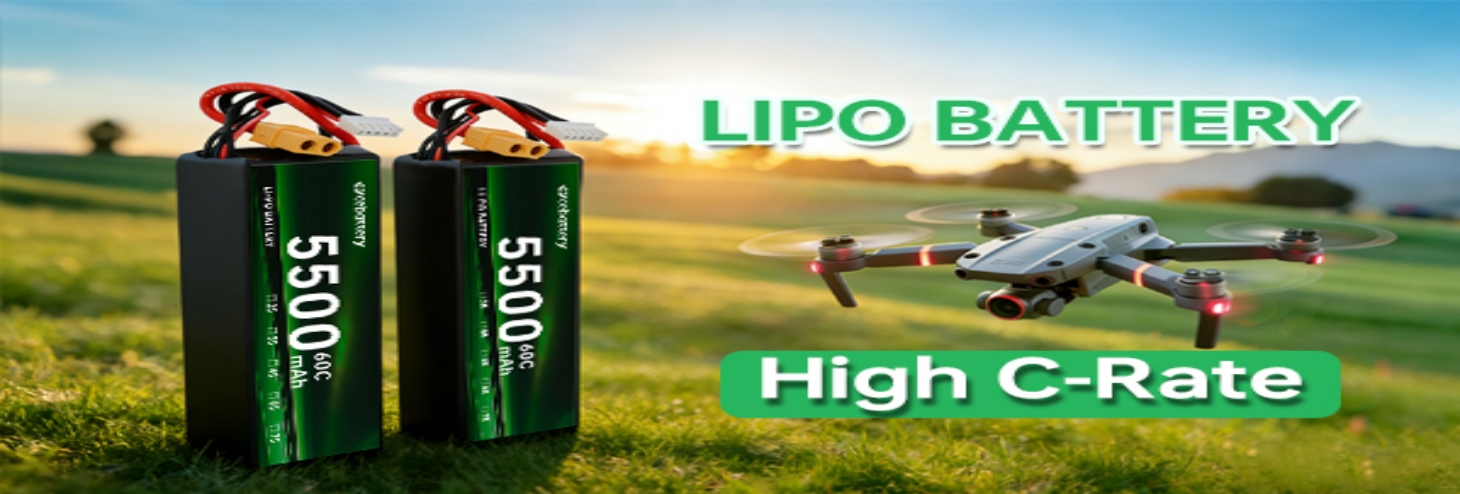
As a specialist at CEBATTERY, I’ve worked with countless pilots who made the switch. The move to 6S isn’t just about “going faster” in a straight line; it’s about how that speed is delivered and maintained. Whether you are a professional racer or an aerial cinematographer, understanding the chemistry behind these drone lithium batteries is the key to unlocking your quad’s full potential.
Consistency is King: Eliminating the Dreaded Voltage Sag
The single biggest pain point for 4S pilots is “voltage sag.” When you punch the throttle on a 4S pack to hit a gap or recover from a dive, the voltage often drops sharply. This leaves you with a “mushy” feeling at the end of your flight, where the drone just doesn’t have the same bite it had in the first thirty seconds.
When pilots upgrade to a 6S Lipo battery, they are moving from a nominal 14.8V to a much beefier 22.2V. Because the total voltage is higher, the system requires significantly less current (amps) to produce the same amount of power.
The result?
Reduced Heat: Lower current means your ESCs and motors stay cooler, even during aggressive maneuvers.
Linear Power: You get a consistent throttle feel from 100% battery down to 10%.
Endurance: While many think 6S is just for sprints, the increased efficiency of a high-quality Li polymer battery for drone use often translates to more predictable, high-speed flight times.
Torque and Response: The Feel of 6S Power
It’s a common misconception that 6S just increases top speed. In reality, the “speed” pilots crave is often acceleration and torque. By pairing a 6S battery with lower KV motors (typically 1600KV–1900KV for a 5-inch quad), you create a setup that has immense low-end torque.
This setup allows for much tighter cornering and instant recovery. If you’re a freestyle pilot, this means you can pull out of a “matty flip” with inches to spare. For industrial and agricultural drone operators, this extra torque means better stability when carrying heavy sensors or navigating through turbulent winds.

At CEBATTERY, our high-performance 6S LiPo batteries for drones are designed with ultra-low internal resistance to ensure that this torque is available the millisecond you move the stick.
Safety and the Future: Moving Toward Solid State
While 6S LiPo is currently the gold standard for racing, the industry is already looking at what’s next. For pilots who prioritize safety & stability alongside speed, solid state lithium drone batteries are beginning to enter the conversation.
Solid-state cells offer even higher energy density and a much higher safety margin against punctures—a common occurrence in the high-speed world of FPV. By sourcing your batteries from an original factory FPV Lipo battery manufacturer like CEBATTERY, you ensure you are getting the most stable chemistry available, whether you choose the classic punch of a LiPo or the cutting-edge endurance of solid-state.

Is the Upgrade Right for You?
So, why do FPV pilots upgrade from 4S to 6S Lipo batteries for speed? Because it turns a “twitchy” drone into a precision instrument. It provides the fast charging capabilities and extreme environment resistance needed for modern, professional UAV applications.
If you are ready to stop fighting your battery and start mastering your lines, it’s time to look at a 6S Lipo batteries transition. At CEBATTERY, we provide customized, factory-direct solutions for teams and manufacturers who need power that doesn’t quit.

- Meet CEBATTERY at the 2026 Shanghai Low-altitude Economy Expo
- What’s the Top High Voltage Battery for Long-Range UAV Missions?
- Solid State vs Lipo Battery—Which Delivers Better UAV Safety and Life Cycle?
- Why Original Factory Batteries Outperform Cheap Generic Options?
- How to Match UAV Power Needs with the Right High Voltage Pack