
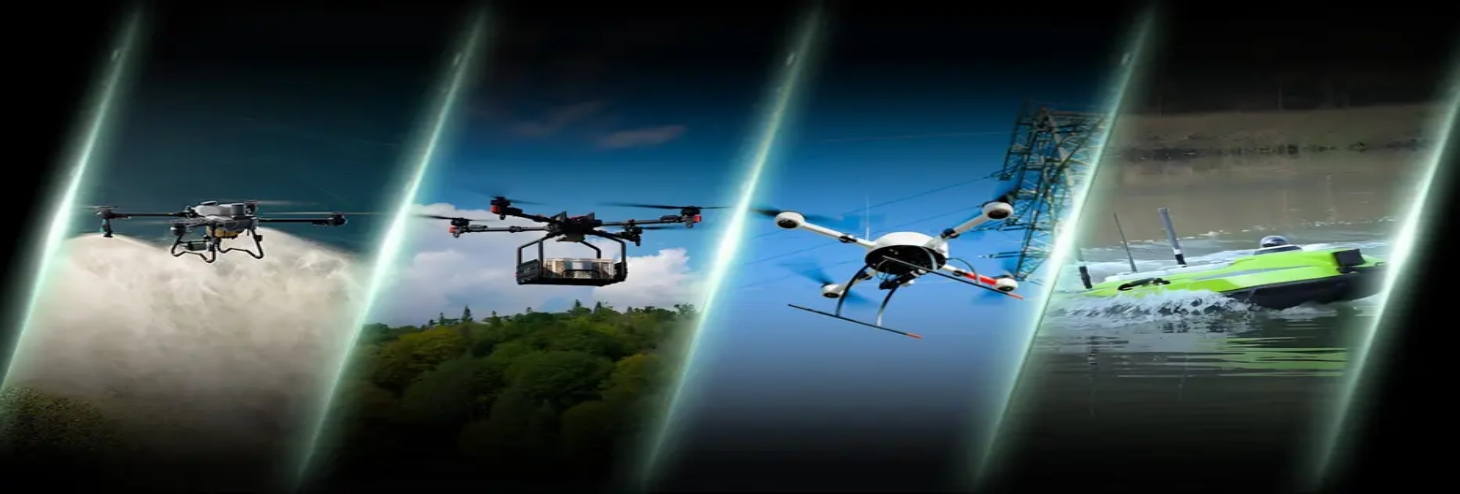
5 Ways a High Energy Solid State Battery Boosts UAV Mission Time
Most drone operators share a common frustration: the “30-minute ceiling.” Whether you are mapping a remote forest, inspecting high-voltage power lines, or executing a critical search-and-rescue mission, your eyes are constantly darting to that battery percentage.
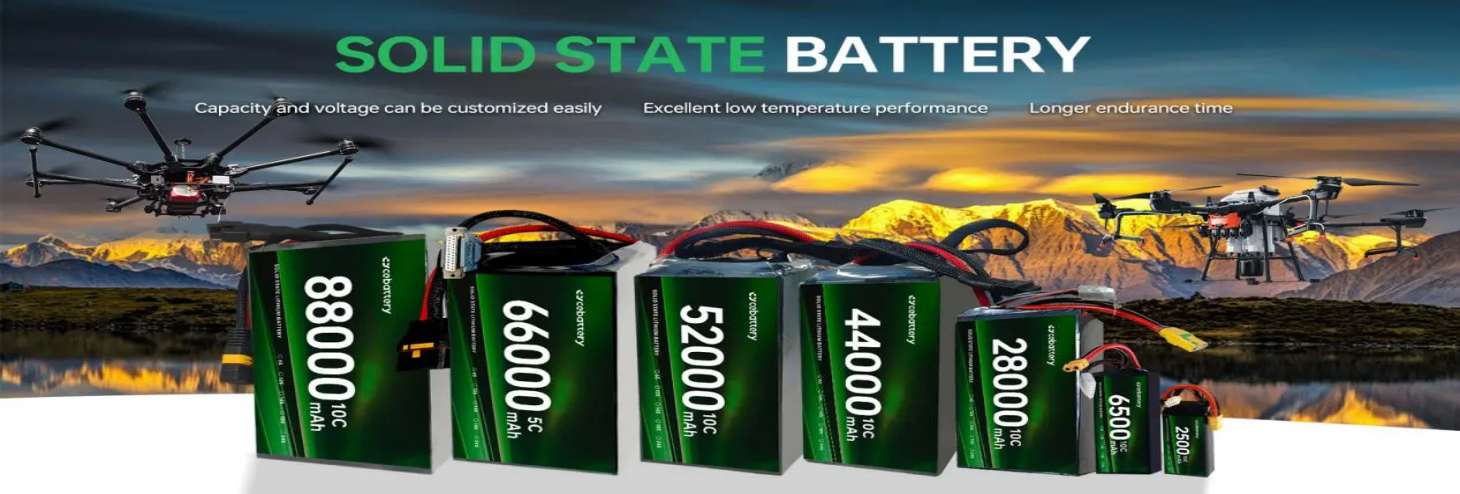
For years, we’ve relied on high-performance LiPo batteries for drones to get the job done. They are punchy and reliable, but they have reached a physical limit in terms of how much energy they can carry without becoming too heavy to fly.
Enter the next evolution. High Energy Solid State Battery Boosts UAV Mission Time is no longer just a buzzword in research labs;
They are actively changing how we plan UAV missions. By replacing the liquid electrolyte with a solid conductive material, we can pack significantly more “fuel” into the same footprint. At CEBATTERY, we’re seeing these packs push mission times to lengths that were previously impossible.
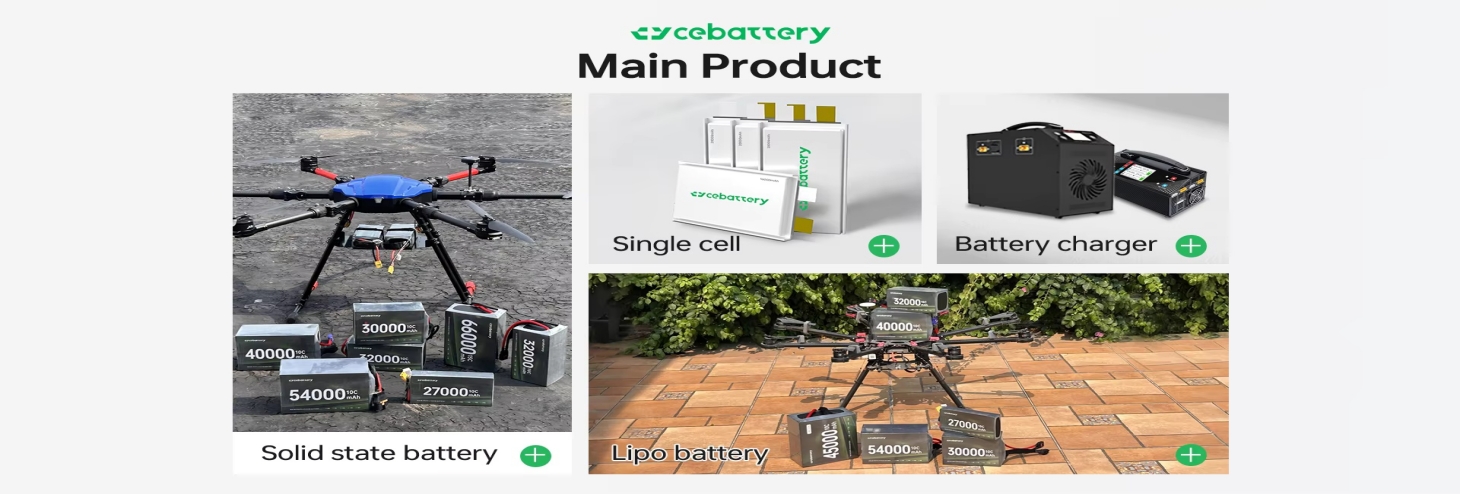
Here are five ways this high energy solid state battery technology is boosting UAV mission time and why it might be time to reconsider your fleet’s power strategy.
- Superior Energy Density (The Wh/kg Leap)
To put it simply, the biggest enemy of flight time is weight. Traditional drone lithium batteries usually top out around 200–250 Wh/kg. If you want more time, you add more batteries, but the added weight eventually eats up the extra power you just gained.
Solid-state technology shatters this bottleneck. These batteries can reach energy densities north of 350-400 Wh/kg. This means you can either fly a much lighter drone for the same amount of time or keep the weight the same and potentially double your mission window. For an industrial mapper, this is the difference between covering 100 acres and 180 acres in a single launch.
- Eliminating the “Voltage Sag” Anxiety
One of the hidden killers of mission time in high-performance LiPo batteries for drones is voltage sag. When you push the throttle hard or fight a headwind, the voltage drops sharply, often triggering a “Return to Home” (RTH) command long before the battery is actually empty.
Solid-state cells have much lower internal resistance. They maintain a stable, flat discharge curve almost until the very end of the capacity. This allows you to use nearly 95% of the stored energy safely, rather than landing with 20% left in the tank just to be “safe” from a sudden power drop.
- Reliability in Unforgiving Environments
If you’ve ever tried to fly a standard Li polymer battery for drone missions in the dead of winter, you know the struggle. Cold weather causes the liquid electrolyte in LiPos to thicken, killing your flight time instantly.
Because solid state lithium drone batteries don’t have a liquid component, they are far more resilient to temperature extremes. Whether you are operating in the scorching heat of a desert or a sub-zero mountain range, the battery remains stable. This environmental resilience means you don’t have to cut missions short due to weather-related battery “shivering,” giving you a wider operational window throughout the year.
- Heavier Payloads, Longer Reach
When your battery is lighter and more efficient, you unlock “weight budget” for better gear. Instead of carrying two extra LiPo packs to get a 40-minute flight, you can carry one solid-state pack and a high-end LiDAR sensor or a thermal zoom camera. This doesn’t just boost mission time; it boosts mission quality. You can stay in the air longer while carrying the heavy-duty tools that get the job done in one go, rather than making multiple trips with lighter, less capable sensors.
5.Faster Turnaround Times
While “mission time” usually refers to time in the air, the total “mission cycle” includes time on the ground. Many high energy solid state battery cells support faster charging rates without the risk of thermal runaway. If you can charge your packs in half the time it takes for traditional drone lithium batteries, your fleet stays in the air for more hours per day. For large-scale agricultural spraying or 24/7 surveillance, this increased “uptime” is just as valuable as the minutes spent in the sky.
The Verdict: Is It Time to Switch?
For the average hobbyist, high-performance LiPo batteries for drones are still a fantastic, cost-effective choice. However, for industrial, agricultural, and professional operators, the move to solid-state is a clear ROI winner. The combination of safety, endurance, and environmental stability makes it the only choice for missions that simply cannot fail.
At CEBATTERY, we specialize in tailoring these advanced power solutions to your specific airframe. We understand that every mission has its own unique demands, and we’re here to help you find the perfect balance.
Ready to break the 30-minute barrier? We provide customized, high-density battery solutions designed for the world’s most demanding UAV applications. Don’t let your battery be the weak link in your mission.
- Meet CEBATTERY at the 2026 Shanghai Low-altitude Economy Expo
- What’s the Top High Voltage Battery for Long-Range UAV Missions?
- Solid State vs Lipo Battery—Which Delivers Better UAV Safety and Life Cycle?
- Why Original Factory Batteries Outperform Cheap Generic Options?
- How to Match UAV Power Needs with the Right High Voltage Pack
