
Which 6S Lipo Battery Gives FPV Drones the Fastest Racing Speed?
If you race FPV drones, you already know that 6S power changed everything. The voltage advantage over 4S means faster acceleration, higher top speeds, and more aggressive punch-outs through technical sections.
But here’s the question that actually determines whether you’re winning or watching from the sidelines: which 6S lipo battery delivers the fastest racing speed for your specific quad setup? Because the answer isn’t as simple as “buy the highest C-rating” or “get the lightest pack.” Let’s break down what actually makes a 6S battery fast.
Why C-Rating Alone Doesn’t Tell the Whole Story
Walk into any FPV discussion about batteries and someone will immediately start talking about C-ratings. “You need 100C for racing!” “150C is better!” Here’s what they’re not telling you—manufacturer C-ratings are marketing numbers that don’t have standardized testing behind them. One company’s 100C might outperform another’s 150C in real-world racing conditions.
What actually matters for the fastest racing speed is sustained voltage under load. When you’re pulling 120+ amps through a hard corner or vertical climb, you need a 6S lipo battery that maintains voltage instead of sagging dramatically. That voltage stability directly affects your motor RPMs, which determines your actual speed at any given moment.
The internal resistance of the cells matters more than the claimed C-rating. Lower internal resistance means less voltage drop under high current draw. Your motors get the power they need when you need it. The difference between a pack that sags to 21 volts under load versus one that holds 23 volts is enormous in terms of actual racing performance.
Cell quality makes or breaks this. Premium cells with genuinely low internal resistance cost more to manufacture, which means they cost more to buy. But for competitive racing where fractions of a second matter, that’s where you need to spend money. Cheap high-C-rating batteries with mediocre cells will never deliver the performance that quality cells provide.
The Weight-to-Power Balance That Wins Races
Here’s where most pilots mess up their battery choice. They either go super lightweight and sacrifice discharge capability, or they buy heavy high-capacity packs that turn their quad into a brick. The fastest racing speed comes from optimizing power-to-weight ratio for your specific racing style and track type.
Technical tracks with tight turns reward lighter 6S lipo batteries that let you change direction quickly. Your quad accelerates faster out of corners, which matters more than raw top-line speed on twisty courses. A 1000-1100mAh pack might be perfect here even though it won’t last as long as heavier options.
Open tracks with long straights benefit from slightly heavier packs—maybe 2000-5000mAh—that can sustain higher current draws for longer periods without voltage sag. The extra weight hurts cornering slightly, but the sustained power delivery gives you higher speeds on the straights where races are often won.
Your flying style factors in too. Smooth pilots who carry momentum through corners can run lighter batteries effectively. Aggressive pilots who punch hard out of every turn need batteries that can handle repeated high-current spikes without voltage dropping off a cliff.
Temperature Performance Nobody Talks About
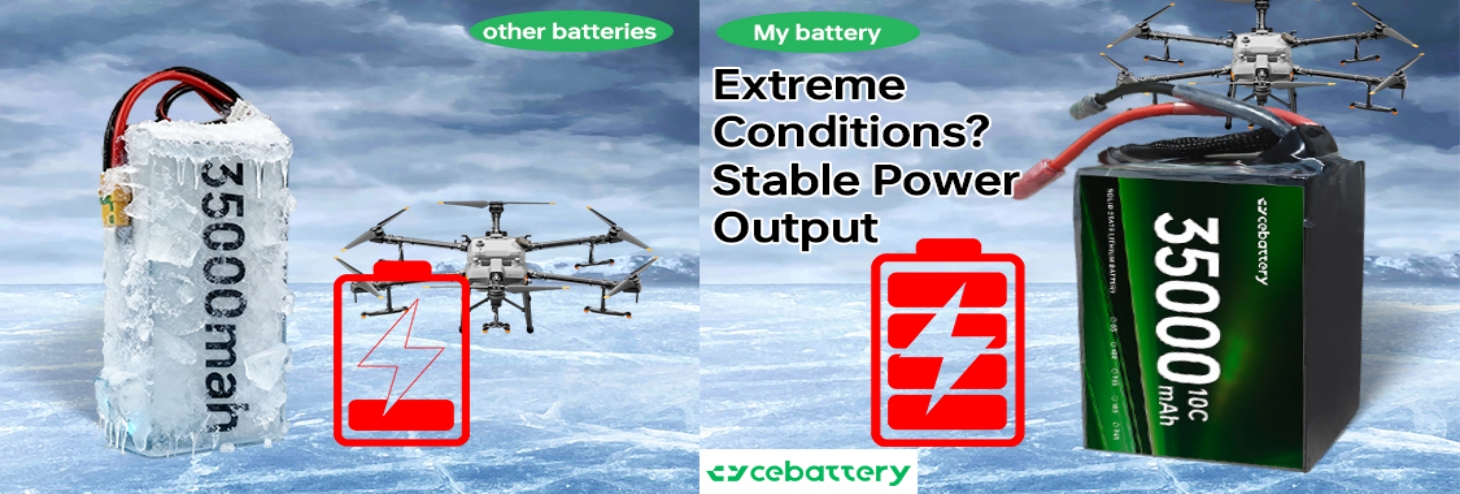
Racing happens in all conditions, and battery temperature drastically affects performance. A 6S lipo battery that tests great on a cool morning might struggle during afternoon heats when ambient temperature is 90°F and your pack is already warm from previous races.
Quality batteries maintain lower internal temperatures under load because of better cell chemistry and construction. They deliver consistent performance across multiple race heats instead of degrading as they heat up. For tournament racing where you might fly six rounds in a day, thermal performance separates winners from also-rans.
Cold weather creates the opposite problem. Batteries lose capacity and internal resistance increases in low temperatures. If you race year-round, you need 6S lipo batteries that maintain reasonable performance below 60°F, not just in ideal conditions.
Finding Your Fastest Battery
The 6S lipo battery that gives your FPV drone the fastest racing speed depends on your quad’s specs, your flying style, typical track layouts, and environmental conditions. Generic recommendations rarely optimize for individual situations.
What works for a 5-inch freestyle quad won’t be ideal for a dedicated 5-inch racer. What wins races on tight indoor tracks differs from outdoor courses. The “fastest” battery is the one that matches your specific racing requirements.
At CEBATTERY, we engineer high-performance 6S lipo batteries specifically for competitive FPV racing. Our batteries optimize for low internal resistance, consistent voltage delivery under extreme loads, and thermal stability across racing conditions. Whether you need lightweight packs for technical courses or high-capacity options for endurance racing, we design batteries that actually deliver speed where it counts.
Ready to find the 6S lipo battery that makes your quad genuinely faster? Contact our technical team with your quad specs and racing requirements. We’ll help you identify the optimal battery configuration for your specific racing situation.

- Meet CEBATTERY at the 2026 Shanghai Low-altitude Economy Expo
- What’s the Top High Voltage Battery for Long-Range UAV Missions?
- Solid State vs Lipo Battery—Which Delivers Better UAV Safety and Life Cycle?
- Why Original Factory Batteries Outperform Cheap Generic Options?
- How to Match UAV Power Needs with the Right High Voltage Pack