

How to Pick the Right 3S Lipo Battery for Beginner Drone Pilots?
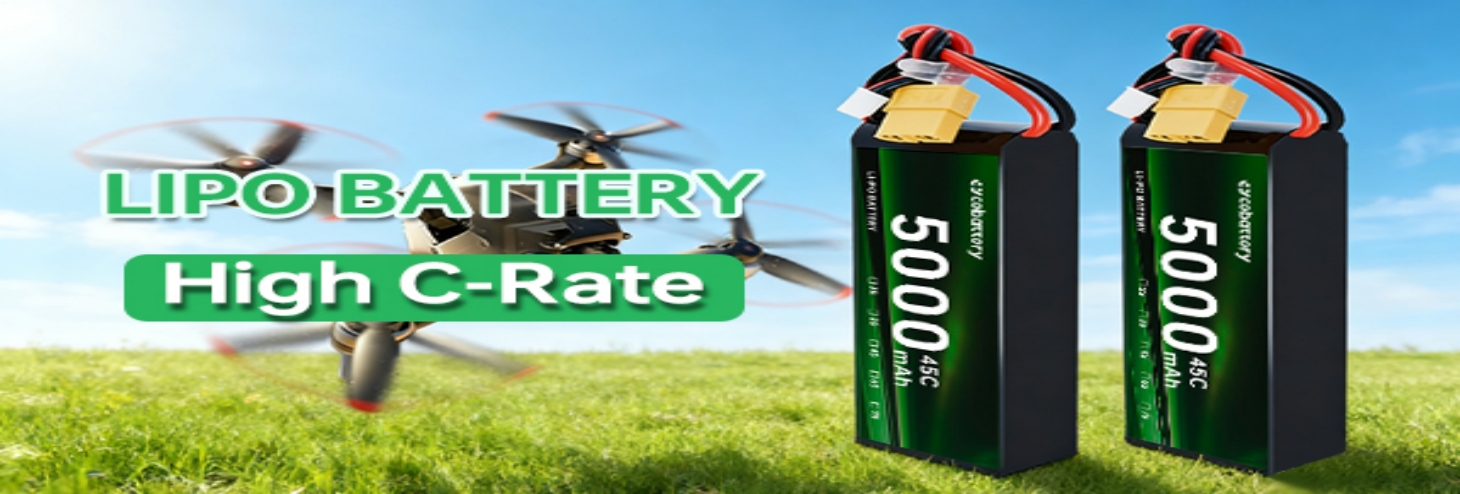
Buying your first 3S lipo battery feels way more complicated than it should be. You’ve got your drone ready to fly, but now you’re staring at dozens of battery options wondering what half the specs even mean.
I remember standing in a hobby shop completely lost, looking at batteries that all seemed identical except for random numbers I didn’t understand. The guy behind the counter wasn’t much help either—just kept pushing the most expensive option.
Here’s what I wish someone had told me back then.
Start With What Your Drone Actually Needs
Check your drone’s manual first. Seriously, don’t skip this step. It’ll tell you the recommended battery capacity range, usually something like 850mAh to 1300mAh for smaller 3S Lipo Battery quads.
Going bigger isn’t always better. A 1800mAh battery might give you longer flight time in theory, but if it’s too heavy for your frame, your drone will handle like a brick and might not even get off the ground properly.
Weight matters more than most beginners realize. Your drone is designed for a specific weight range. Add too much battery and you’ll stress the motors, kill your flight characteristics, and probably crash more often.
Understanding the Numbers That Actually Matter
Capacity (mAh) is straightforward—higher numbers mean longer flight times. For most beginner 3S drones, you’re looking at 650mAh to 1500mAh. Start somewhere in the middle of your drone’s recommended range.
C-rating confuses everyone at first. It’s basically how fast the battery can discharge safely. For beginner flying, anything between 45C and 75C works fine. You don’t need crazy high C-ratings yet—you’re not racing or doing aggressive freestyle.
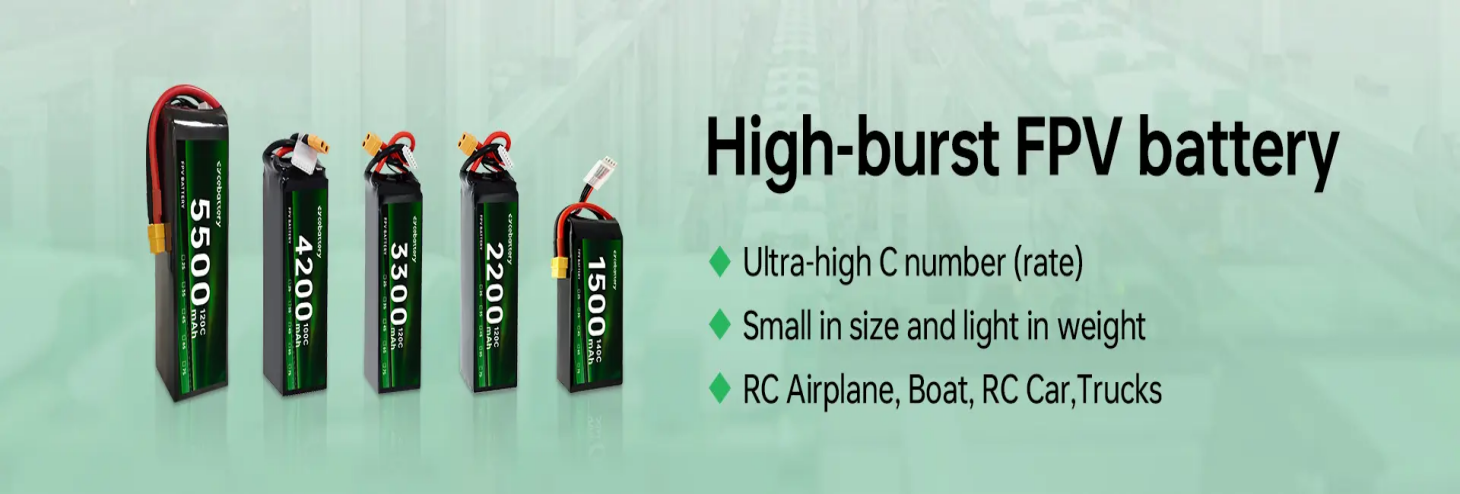
Here’s the thing though: C-ratings are often inflated by manufacturers. A “100C” budget battery might perform worse than a quality “60C” pack. Brand reputation matters more than the number printed on the label.
Connector type needs to match your drone. XT30 and XT60 are most common for 3S setups. Double-check what your drone uses before ordering. Adapters exist but add weight and connection points that can fail.
The Real Cost vs. Value Question
Cheap batteries are tempting when you’re starting out. I get it—you’re already spending money on the drone, controller, goggles, and everything else.
But here’s my honest take after destroying a few cheap packs: spend a bit more upfront. A quality 3S lipo battery from a reputable manufacturer will last longer, perform more consistently, and probably save you money long-term.
Budget batteries often have mismatched cells, higher internal resistance, and inconsistent quality control. You’ll notice the difference in flight performance immediately—weaker punch, more voltage sag, shorter actual flight times than advertised.
That said, you don’t need top-tier racing batteries either. Mid-range options from established brands give you solid performance without breaking the bank.
What Beginners Actually Experience
Your first few batteries will probably take some abuse. You’re learning to fly, which means unexpected landings, occasional crashes, and maybe forgetting to check voltage a few times.
Buy at least three batteries when starting out. One on the drone, one charging, one ready to go. Trust me, waiting 45 minutes between flights kills your practice momentum.
Get a basic lipo checker too. They cost like ten bucks and prevent you from over-discharging batteries, which permanently damages them. Check voltage before and after every flight until it becomes habit.
Storage and Safety Basics
This part isn’t exciting but matters way more than people think. Lipo batteries can be dangerous if mishandled.
Store them in a fireproof bag or container. Use a proper lipo charger—not some random USB thing. Charge in a safe area away from flammable stuff. Never leave charging batteries unattended.
If a battery puffs up, gets hot during normal use, or shows any damage, stop using it immediately. It’s not worth the risk.
Store batteries at around 3.8V per cell when you’re not flying. Leaving them fully charged or completely dead shortens their lifespan significantly.
Making Your First Purchase
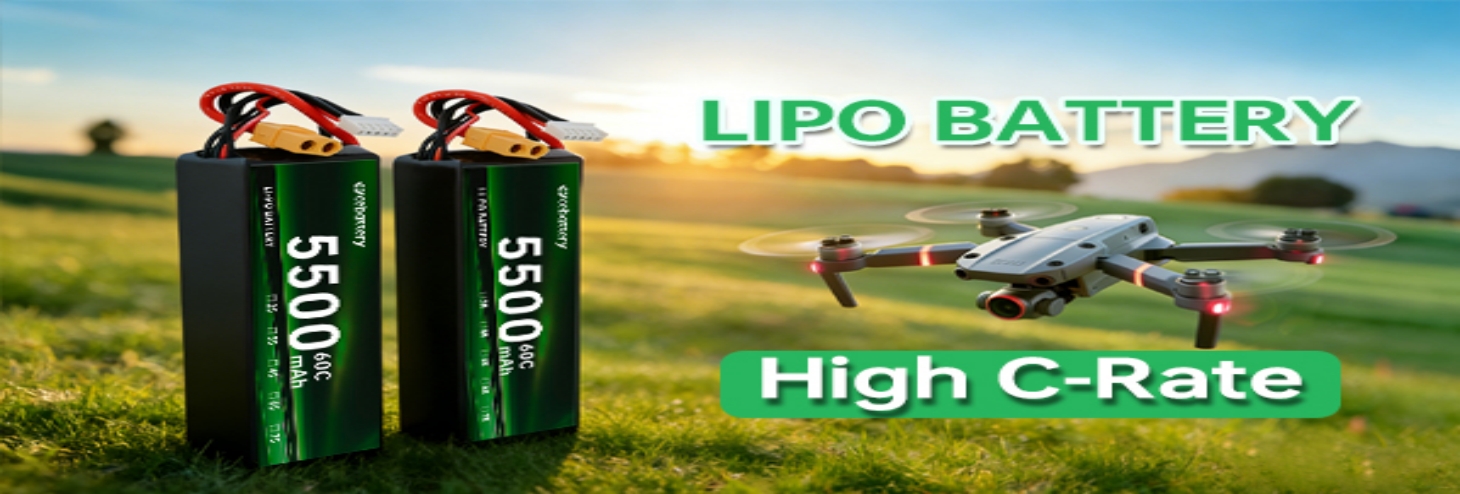
For most beginner 3S drone pilots, here’s what works: Pick a capacity in the middle of your drone’s recommended range. Look for reputable battery manufacturers with good reviews from actual FPV pilots. Aim for a C-rating between 50C-75C from a quality brand.
Buy multiple batteries at once so you can actually practice. Get the proper charging equipment and storage bags while you’re at it.
Skip the ultra-cheap options and the premium racing packs. You want reliable, consistent performance while you learn. The fancy stuff can wait until you know what you’re doing and understand what performance characteristics you actually want.

- Meet CEBATTERY at the 2026 Shanghai Low-altitude Economy Expo
- What’s the Top High Voltage Battery for Long-Range UAV Missions?
- Solid State vs Lipo Battery—Which Delivers Better UAV Safety and Life Cycle?
- Why Original Factory Batteries Outperform Cheap Generic Options?
- How to Match UAV Power Needs with the Right High Voltage Pack