
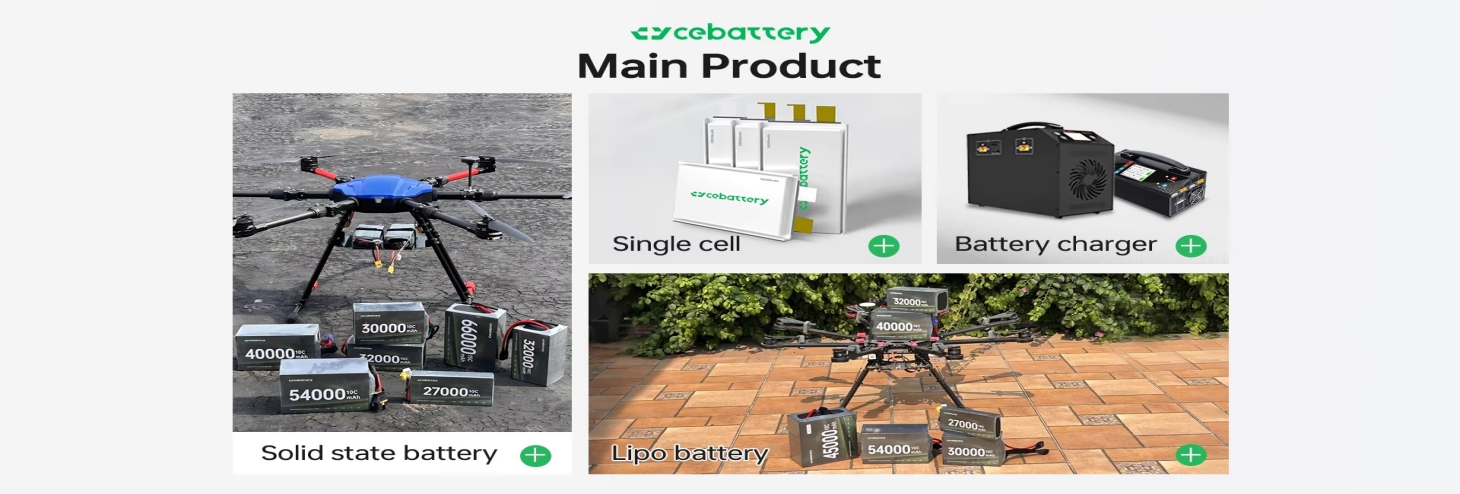
FPV Drone Battery Guide: Is a 3S or 6S Lipo Better for You?
If you’ve spent more than ten minutes in FPV forums, you’ve seen this debate. 3S or 6S lipo. Everyone has an opinion, half of them are contradictory, and almost none of them account for what you’re actually trying to do with your build.
Here’s a straightforward breakdown — what each voltage configuration actually means, where each one performs best, and how to decide which is right for your setup without overthinking it.
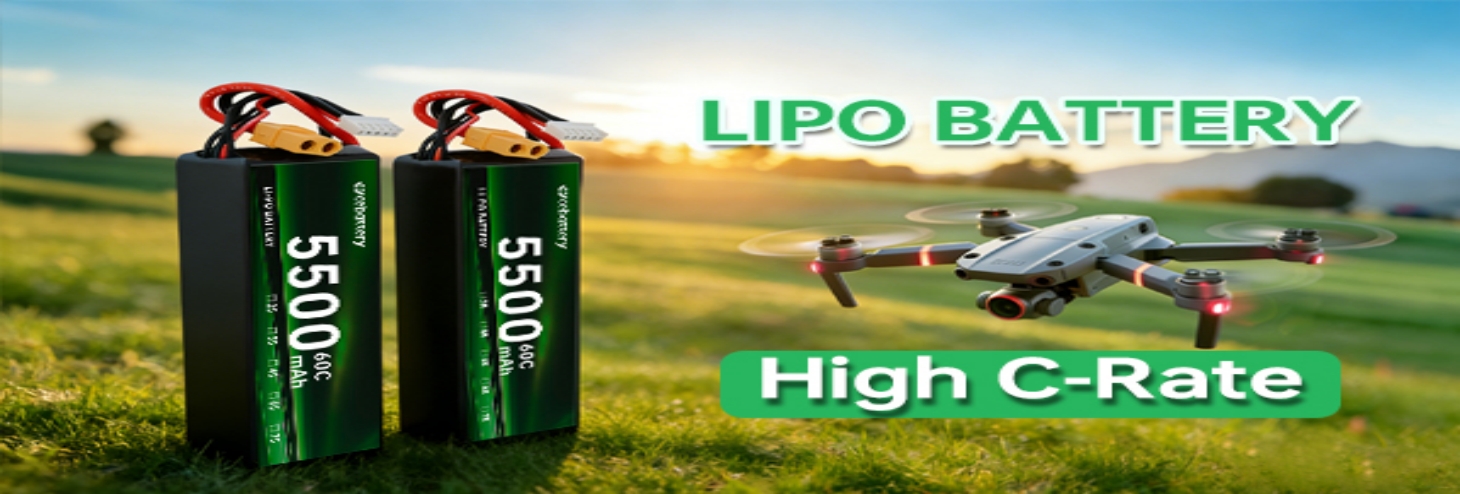
What 3S and 6S Actually Mean?
The “S” number tells you how many lithium polymer cells are wired in series inside the pack. Each fully charged LiPo cell sits at 4.2V nominal, so the math is direct:
3S = 3 cells in series = 11.1V nominal (12.6V fully charged)
6S = 6 cells in series = 22.2V nominal (25.2V fully charged)
Higher voltage means more power potential — but it also means more weight, more cost, and hardware requirements that change significantly between the two configurations. The voltage difference isn’t just a spec. It shapes the entire build.

The Case for 3S
3S LiPo batteries are where most FPV pilots start, and for good reason. They’re lighter, cheaper, and compatible with a wide range of motors and ESCs that don’t require high-voltage ratings.
For smaller builds — 3-inch to 4-inch freestyle frames, whoops, micro quads — 3S is often the right call on pure physics. A lighter pack on a lighter frame produces a snappy, responsive feel that a heavier 6S setup can’t replicate regardless of power output.
3S also gives new pilots more room to learn. Lower voltage means motors spin with less aggression, the power curve is more forgiving, and mistakes are cheaper — both for the aircraft and for the battery. A 3S pack that gets hit hard in a crash is easier and cheaper to replace than a 6S equivalent. 3s or 6s lipo?
The tradeoff: 3S hits a ceiling. If you’re flying a 5-inch or larger freestyle build and pushing toward competitive speeds or locked-in cinematic lines, you’ll feel the power limitation.
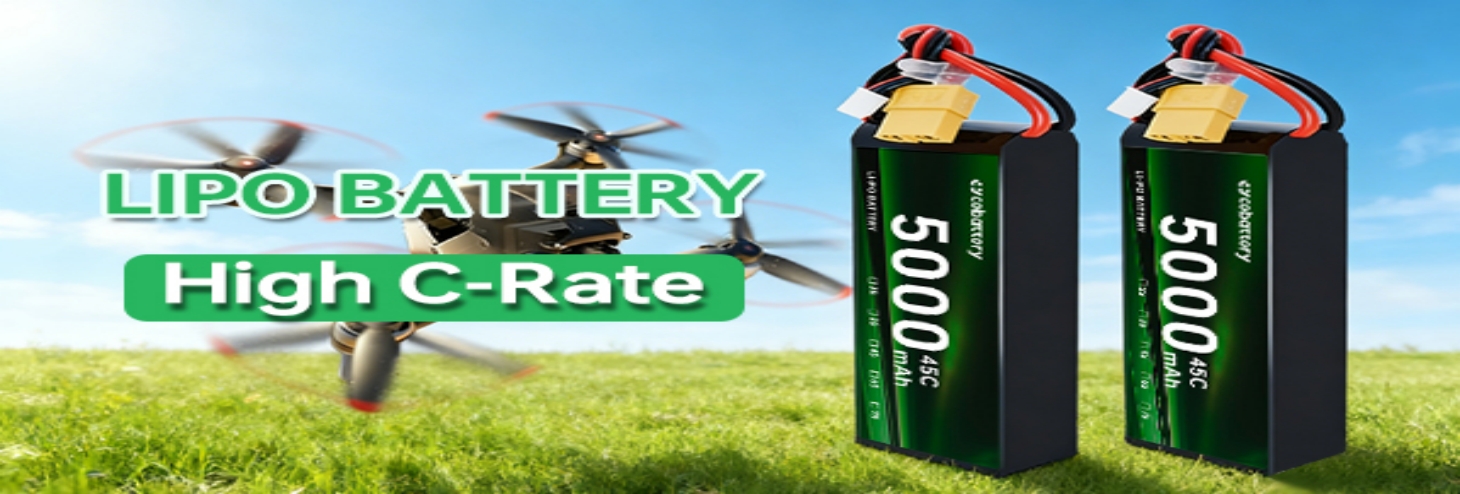
The Case for 6S
6S has become the dominant configuration for serious 5-inch FPV freestyle and racing builds over the last few years — and the shift happened for good reasons.
Higher voltage means motors can be run at lower current to produce the same power output. Lower current means less heat in the ESCs and motor windings, which translates directly to more reliable hardware and longer component life. It also means you can use slightly thinner motor wires without voltage drop becoming a problem.
The power delivery on 6S feels fundamentally different — cleaner throttle response, more headroom at the top of the power band, and a consistency across the flight that 3S builds struggle to match at high performance levels.
The catches: 6S requires motors, ESCs, and a VTX rated for the voltage. Budget builds and older components often aren’t compatible.
And 6S packs cost more — both upfront and per replacement. Weight goes up too, which matters on builds where agility is the priority. 3s or 6s lipo.
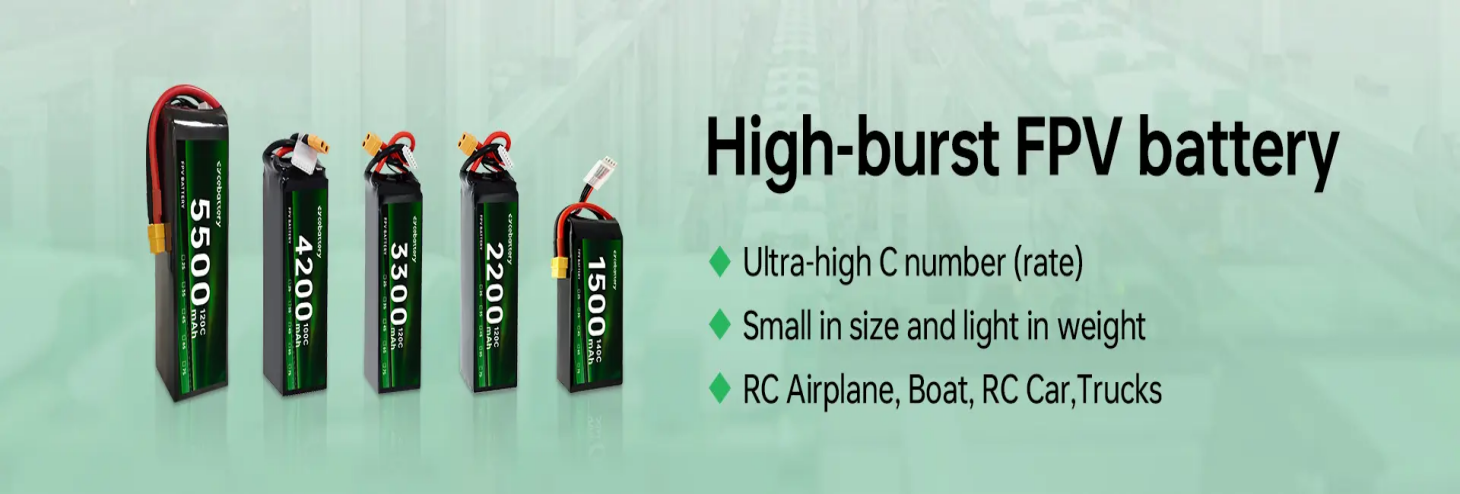
How to Actually Decide?
Run through these questions honestly:
What size frame are you flying? Sub-4-inch builds almost always favor 3S. Five-inch and above, 6S becomes the stronger choice for performance-focused pilots.
What’s your experience level? If you’re still learning the sticks, 3S gives you a more manageable learning curve with less expensive consequences.
Is your hardware rated for 6S? Don’t assume. Check your ESC and motor KV ratings before switching voltage configurations.
What matters more — agility or raw power? Lighter 3S setups can feel more playful on the right frame. 6S delivers smoother, more sustained power delivery for technical flying.
A Note on Battery Quality
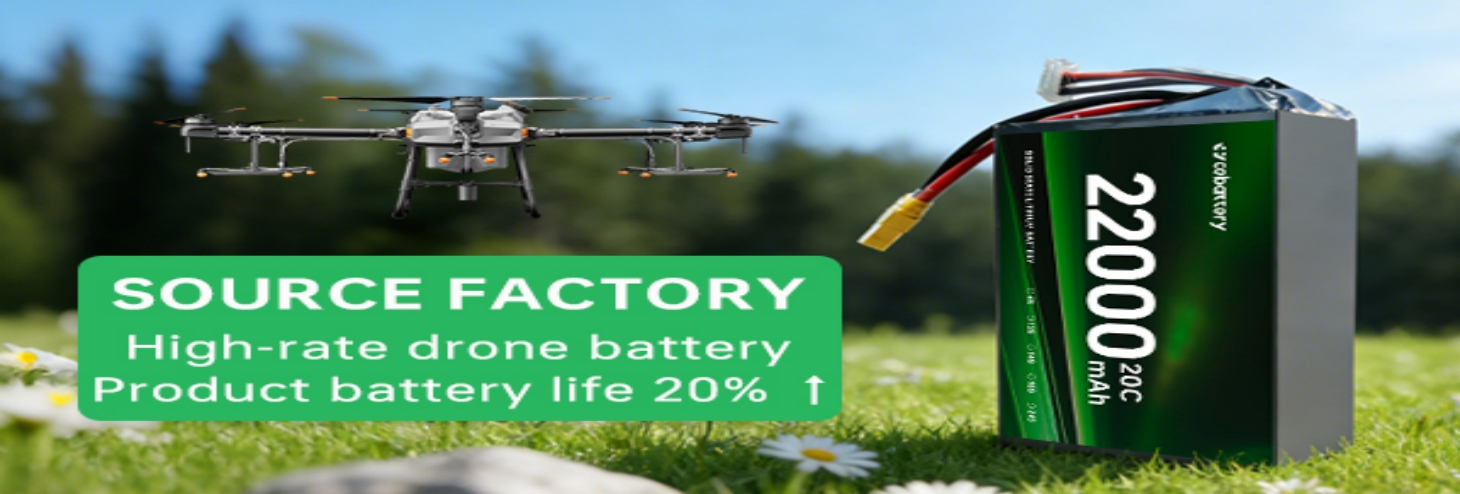
Whichever voltage you choose, the quality of the LiPo pack matters as much as the spec. A low-grade 6S battery with poor cell matching and weak discharge consistency will underperform a well-built 3S pack from a manufacturer that actually engineers for FPV UAV applications.
CEBATTERY produces high-performance lithium polymer UAV batteries built with the discharge consistency and cycle life that FPV pilots and commercial drone operators both rely on.
The right voltage choice paired with the right battery makes the difference you’re actually looking for.

- FPV Drone Battery Guide: Is a 3S or 6S Lipo Better for You?
- How to Choose Solid State UAV Batteries: 7 Expert Buying Tips
- 5 Tips to Extend Your Lipo Drone Battery’s Lifespan in 2026
- Which OEM Drone Battery Manufacturer Delivers the Best Lead Time?
- Is a Tailored Solid State Battery Worth Ordering in Bulk for UAVs?